
Panduan lapangan hewan
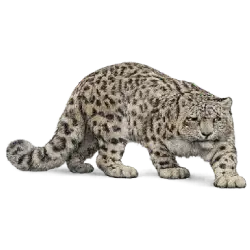
Snow Leopard
Identifikasi, habitat, rarity, perilaku, simbolisme, fakta, dan pelajaran praktis dari alam.
The Mountain Ghost Pouncer. The Snow Leopard uses pale spotted fur and a long balancing tail to vanish into cold rocky cliffs before it leaps. It teaches us that blending in can make the next move stronger.
Kartu AnimalDex
Buka kartu hewan ini
Pindai atau tangkap hewan ini dengan AnimalDex untuk membuka kartu koleksi dan menambahkannya ke koleksi satwa liarmu.
Dapatkan AnimalDexNama ilmiah
Panthera uncia
Kategori
Mammal
Habitat
Cold alpine and subalpine slopes, rocky ravines, and broken highland terrain.
Rarity
Rare · 84/100
Native range
Central and South Asian mountain systems from the Himalaya to Mongolia.
Mountain Ghosting
Vanish before leaping.
Cliff-Camouflaged Pounce
Apa yang diajarkannya
The unseen leap begins long before the body leaves the rock.
Coba
A shy helper does the kind thing without needing applause.
Bukti alam
Snow Leopards have pale spotted coats, long balancing tails, and powerful hind limbs that help them move and hunt across steep snowy cliffs.
Gunakan untuk
Tangkapan Snow Leopard berperingkat
Belum ada tangkapan komunitas berperingkat untuk spesies ini.
Mengapa Mountain Ghosting?
Alasan di balik Prinsip Hewan ini dan biologi yang mendukungnya.
Snow leopards are high-mountain cats built for cold, steep terrain, with long balancing tails, pale patterned coats, and elusive solitary behavior.
Cara mengidentifikasi Snow Leopard
- Pale grey coat with smoky rosettes and thick fur
- Very long heavy tail often carried curved behind the body
- Short muzzle and wide paws adapted for rock and snow travel
Habitat: Cold alpine and subalpine slopes, rocky ravines, and broken highland terrain.
Native range: Central and South Asian mountain systems from the Himalaya to Mongolia.
nativeRangeCardTitle
nativeRangeCardDescription
Cold alpine and subalpine slopes, rocky ravines, and broken highland terrain.
To find Snow Leopard in the wild, focus on the exact habitat patches that match its body design and daily behavior, not just the broad country where it exists. You usually do better by working one good piece of habitat inside central and South Asian mountain systems from the Himalaya to Mongolia. than by covering too much ground.
- Rocky slopes, ridge lines, cliff ledges, or open mountain meadows with a wide view
- Protected habitat blocks within central and South Asian mountain systems from the Himalaya to Mongolia.
- Start early, pick one strong patch of habitat, and stay long enough for movement to return after you arrive.
- Scan from a stable vantage point first; in steep country, patient glassing usually beats constant hiking.
- Slow down and scan shapes, outlines, and eye-level silhouettes; many good sightings come from noticing what does not move.
They hunt blue sheep, ibex, marmots, hares, birds, and other mountain prey. The diet supports the principle because prey is won by stalking, terrain reading, and a leap shaped by balance.
Adults have few natural predators, but humans, retaliation, prey loss, and habitat pressure are major threats. Their defense is secrecy, difficult terrain, camouflage, and avoiding direct conflict.
Mostly crepuscular, nocturnal, or active when prey and safety align, resting in cliffs and rocky cover. Their rhythm makes ghosting more than color: timing hides the body too.
Often 10 to 15 years in the wild. The lifespan why is that mountain survival is a long practice of choosing unseen routes and not wasting the leap.
Females raise cubs in rocky dens, hidden from weather and danger. Offspring learn the principle slowly: before they can leap, they must first belong to the cliff.
Males are usually larger, but both sexes carry the ghost pattern and mountain body. The principle is shared camouflage, balance, and restraint.
- Moves along ridgelines, saddles, and cliff routes used by prey
- Hunts blue sheep, ibex, and other mountain ungulates by ambush
- Uses scent marking on rock features to communicate territory
Snow Leopard most often symbolizes mountain ghosting in AnimalDex because its real survival behavior repeatedly shows this pattern.
The unseen leap begins long before the body leaves the rock.
Snow Leopards have pale spotted coats, long balancing tails, and powerful hind limbs that help them move and hunt across steep snowy cliffs.
- Use high-powered optics and never attempt off-route pursuit in mountain habitat.
- Work with local trackers who prioritize den and prey-area protection.
- Leopard in pale coat
- Lynx at long range
- Goat silhouette on rock in low light
statsTitle
statsDescription
statsSourceLabel: statsSourceSpeciesProfile
dominanceStat
82
speedStat
68
sizeStat
42
intelligenceStat
58
rarityStat
84%
Total
334
Size scale
Large
Uses the canonical size stat for consistent placement


US$291 – US$603
Perkiraan rentang nilai
Kepercayaan 69%
Perkiraan nilai AnimalDex dibuat dari stat spesies kanonik.
Not a marketplace listing.
Perkiraan nilai berdasarkan hewan yang teridentifikasi dan konteks harga yang tersedia. Bukan daftar marketplace.
Seberapa langka Snow Leopard?
Rarity: Rare (84/100)
Snow leopards occur across a broad mountain belt but remain thinly distributed and difficult to monitor in rugged terrain.
Systems Intelligence & Hidden Purpose
Sudut pandang systems biology untuk melihat bagaimana spesies ini dibangun, peran apa yang dijalankannya di ekosistem, dan pelajaran praktis apa yang bisa dipetik manusia.
System Role
The Mountain Ghost Accountant
Snow Leopard
Specialized Hardware
Wide snow-ready paws, balancing tail mass, dense insulation, and stealth-oriented build make snow leopards elite vertical ambush hardware for broken cold terrain.
Systems Script
Snow leopards regulate mountain ungulates in ecosystems where every movement route matters. They force caution into ridgelines, saddles, and cliff approaches that prey would otherwise overuse.
Strategic Insight
In hard terrain, position outranks volume. A good route is worth more than a loud push.
Public Animal Power
Explore this Animal Power
This is a public capture, so you can explore its Animal Power here. Personal Apex matches and challenges use your Wild Profile and animals you own.
Own an animal with this power to use it in Growth challenges.
Hewan terkait
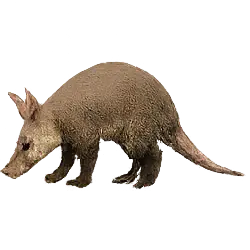
Aardvark
The aardvark is a nocturnal African mammal known for its long snout, strong digging…
Baca panduan spesies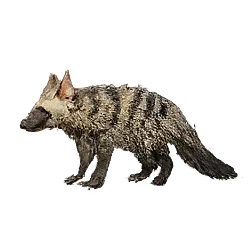
Aardwolf
The aardwolf is a small striped relative of hyenas that feeds mainly on termites rather…
Baca panduan spesies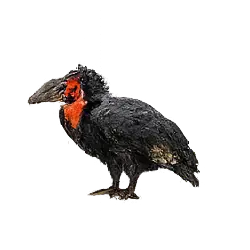
Abyssinian Ground Hornbill
Abyssinian Ground Hornbill is a bird known for bare red facial skin, huge…
Baca panduan spesiesLebih banyak hewan dengan kekuatan Ambush
Jelajahi semua hewan Ambush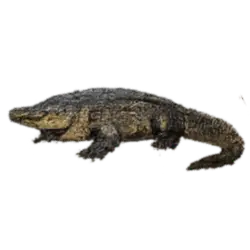
American Alligator
The American alligator is a large armored wetland reptile built for ambush, with a…
Baca panduan spesies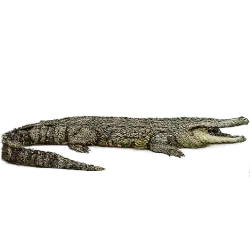
American Crocodile
American Crocodile teaches Brackish Stillness through a coastal predator waiting where…
Baca panduan spesies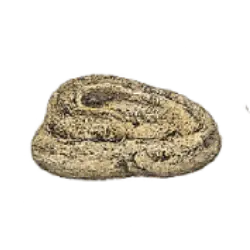
Arabian Sand Boa
Arabian Sand Boa is a reptile known for blunt short tail, sand-burrowing ambush body,…
Baca panduan spesiesBawa ensiklopedia ke dunia nyata
AnimalDex membantumu memindai hewan nyata, mengidentifikasi spesies, mengoleksi kartu, dan belajar dari alam di mana pun kamu berada.
Muncul di tier list
Lihat posisi spesies ini di halaman tier list AnimalDex yang dibangun dengan perbandingan terstruktur dan metodologi yang jelas.
#6 · Camouflage
Animals with the Best Camouflage: Top 100 Tier List
Snow leopard is a powerful large-animal camouflage answer because its coat truly fits its hunting ground.
Baca tier list#6 · Stealth
Stealthiest Hunters in the Animal World: Top 100 Tier List
Snow leopard earns its place because terrain, coloration, and patience work together at high altitude.
Baca tier list#7 · Rarity
Rarest Animals in the World: Top 250 Tier List
Snow leopard belongs here because naturally low densities and hard terrain combine with ongoing human pressure.
Baca tier list