

wildlife photographycreatorsearning
Can Wildlife Photography Make Money? Realistic Income Routes
Wildlife photography income mixes licensing, assignments, prints, workshops and guiding. How each route really pays, and where an app actually fits.
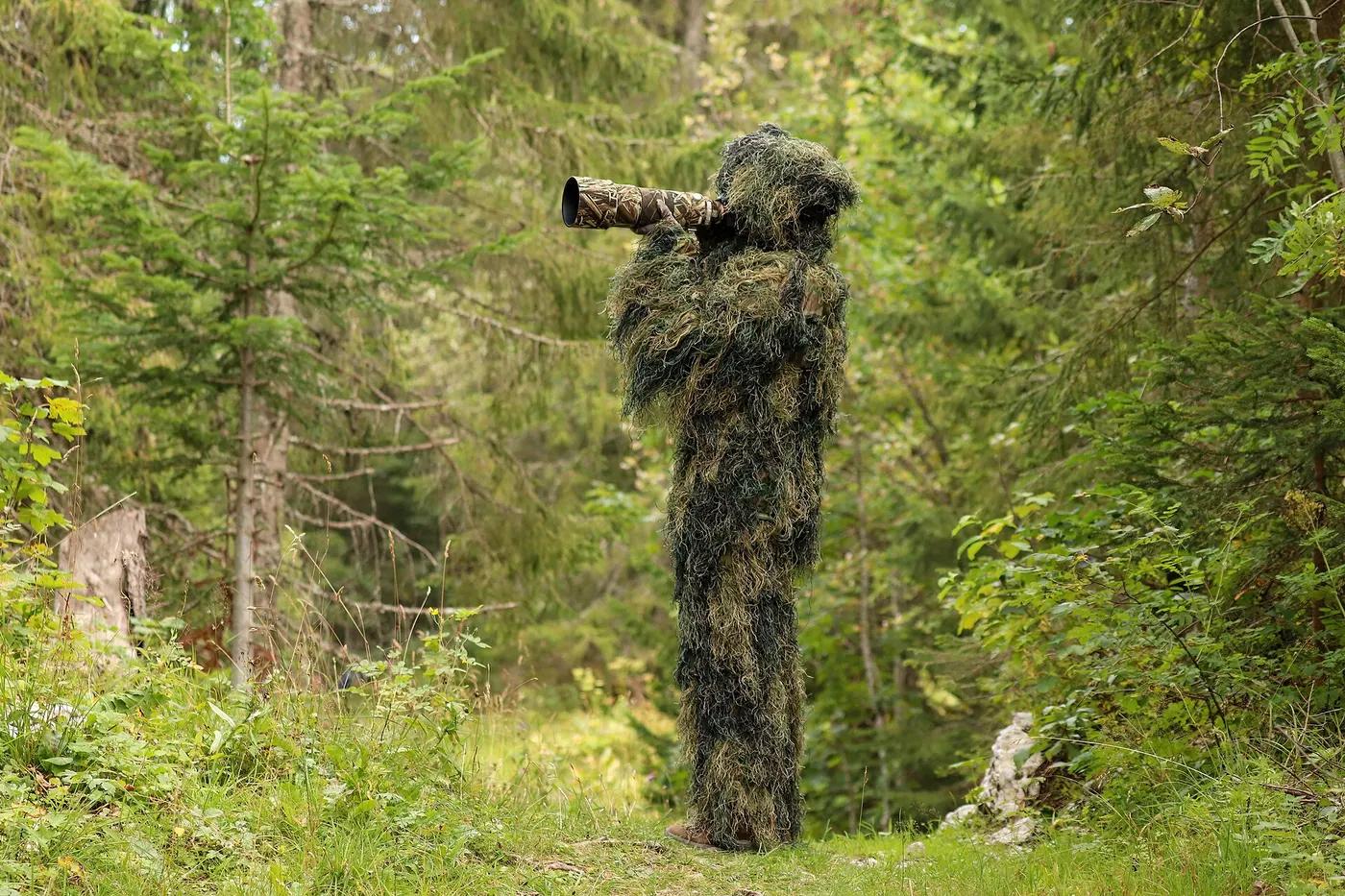
The honest market
Yes, wildlife photography can make money. Very few people make a full living from it, and almost none of them make it from one source. The working pattern is a stack: some licensing, some editorial or commissioned work, prints, teaching, guiding, and in a good year a grant or a competition. Nobody gets paid per nice bird.
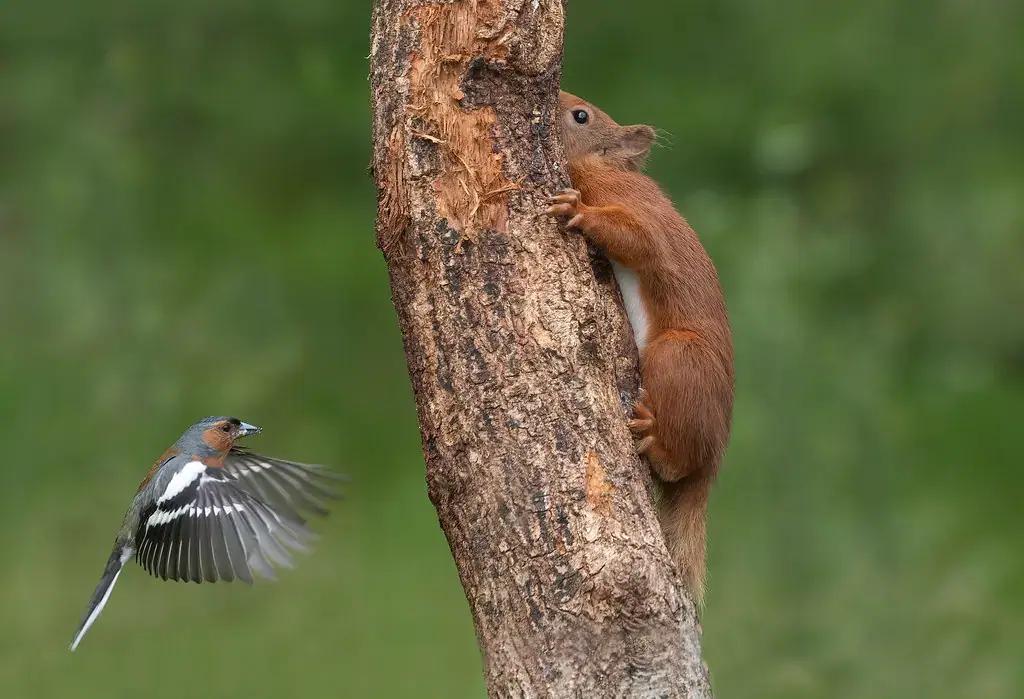
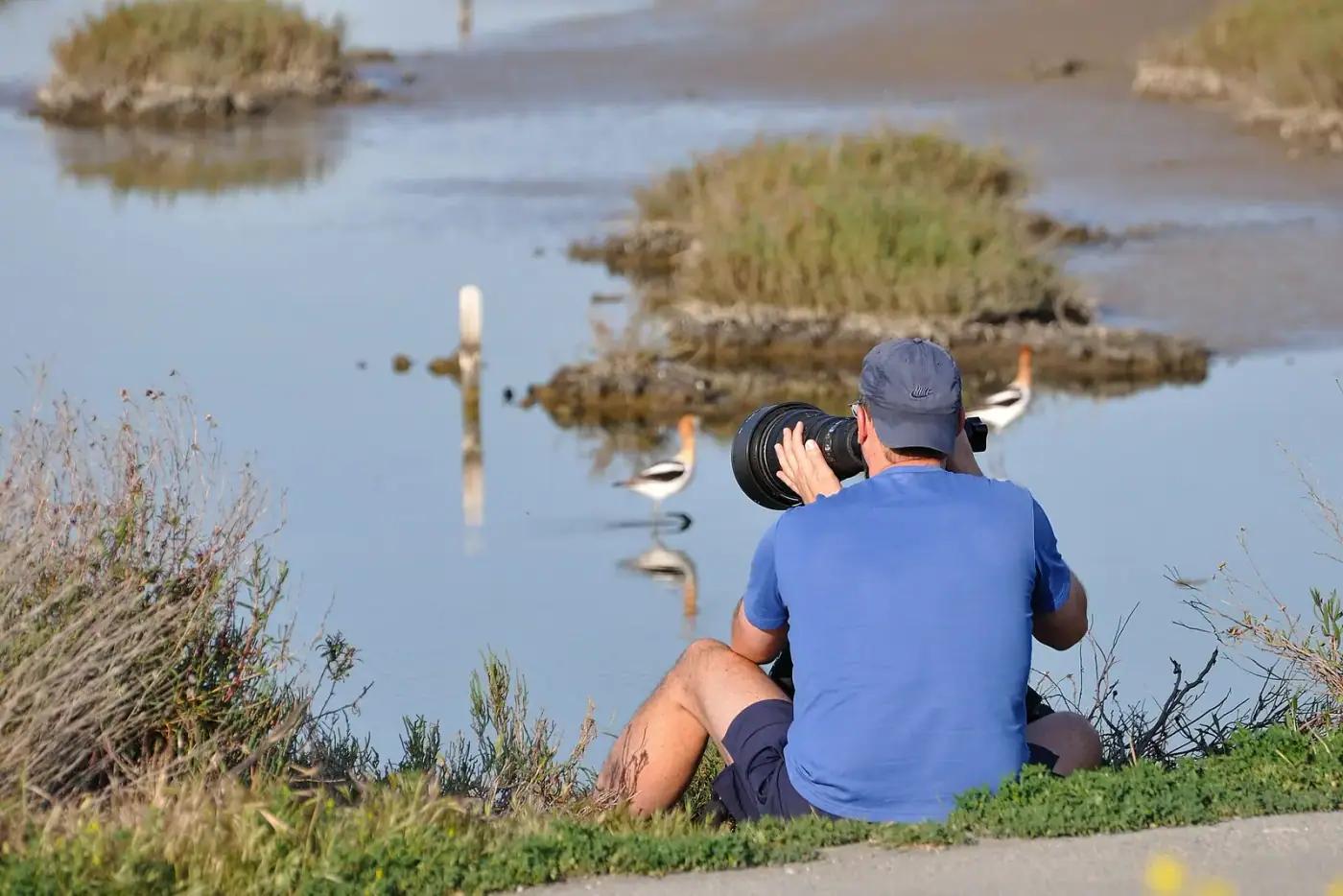
The reason is supply. The cameras got good, the long lenses got cheaper, and every reserve now has a dozen people with 600 mm of glass pointed at the same kingfisher. Generic images of common species are close to worthless as stock. What still sells is specificity: a behaviour nobody else has, a species nobody else has covered, a place you can get to on a Tuesday that the agency photographer cannot.
Income routes compared
Each route below pays in a different shape. Some pay small amounts forever, some pay once and well, and some pay cash on the day. The “realistic framing” column is the part people selling courses tend to leave out.
| Route | How it pays | Realistic framing | What it needs from you |
|---|---|---|---|
| Stock licensing | Per download or per licence, often a small royalty share | Microstock pays cents to a few dollars per use; rights-managed sales are rarer but larger | Volume, accurate species keywords, model and property releases where relevant |
| Editorial and assignments | Day rate or per-story fee | Competitive and slow; relationships with editors matter more than gear | Reliability, captions that are correct, the ability to deliver a sequence not one hero frame |
| Prints and books | Margin on each sale | Margins are real but the audience has to be built first | A tight edit, print-quality files, a way to ship without damage |
| Workshops and tours | Per seat | Steadiest route for established names; logistics eat time | Teaching ability, insurance, permits, reliable sites |
| Local guiding | Per person, often cash on the day | Small but immediate; scales with local knowledge, not follower count | Knowing the site in every season, honest expectations, the permits the land requires |
| Brand and ambassador work | Fee, gear, or both | Goes to people with an audience or a distinctive body of work | A public species record or portfolio a brand can point at |
| Competitions and grants | Prize or funded project | Lottery odds for the big ones; smaller regional ones are winnable | Original files, honest captions, no baiting or staging |
Prints: the margin lives in the edit
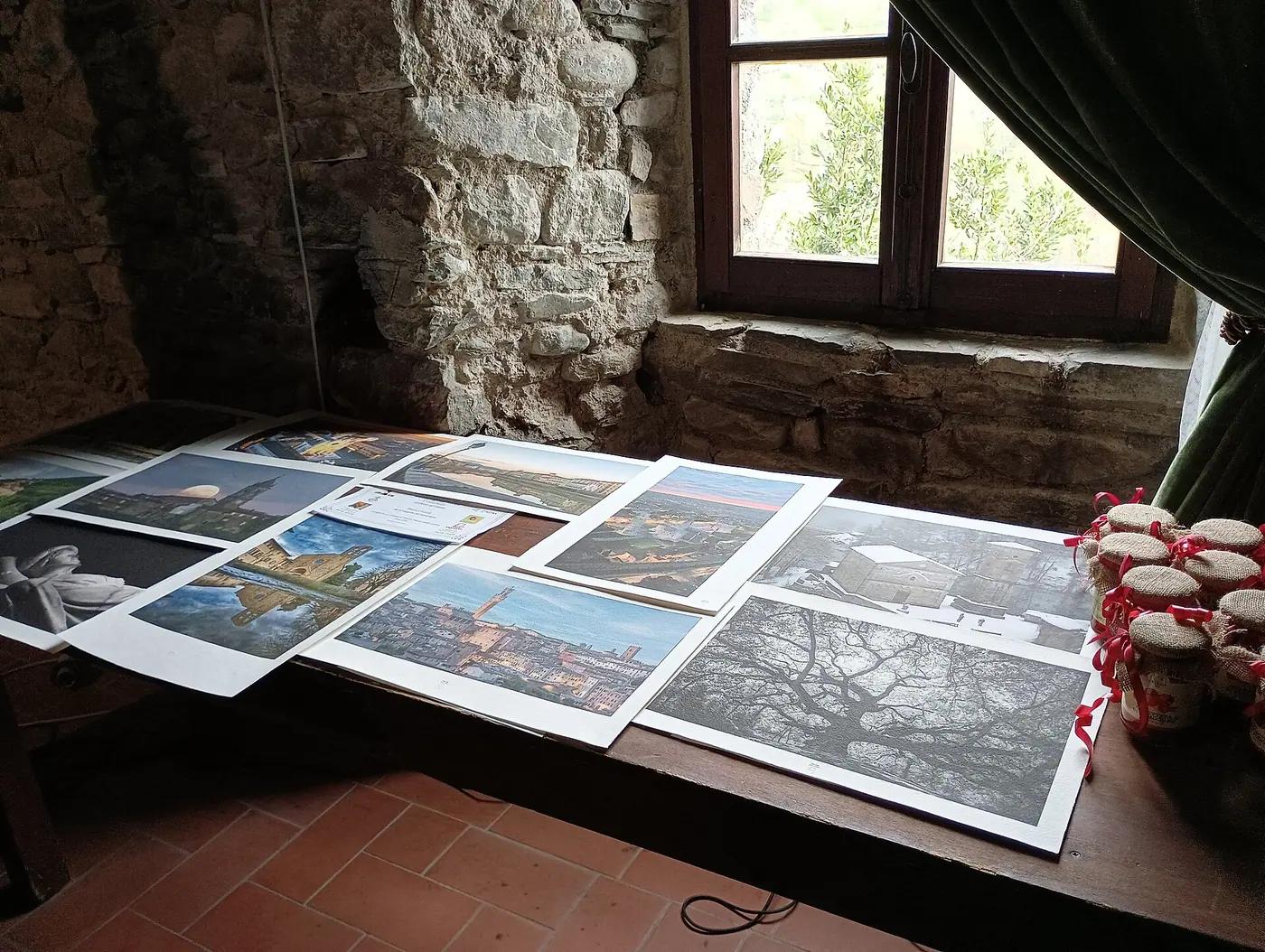
Prints are the route most photographers try first and abandon fastest, because they price the print and not the business around it. A 40 cm fine-art print might cost you a fraction of its sale price in paper and ink, but the frame, the packaging, the shipping, the payment fees and the returns are where the margin goes. The people who make prints work sell a small edit of ten to twenty images, not the whole archive.
The second thing that makes prints work is a reason to buy that one. A local species, a local place, a behaviour with a story: a sanderling on the beach the buyer walks every Sunday outsells a technically better image of a bird they have never heard of.
Guiding is the local route that uses your knowledge
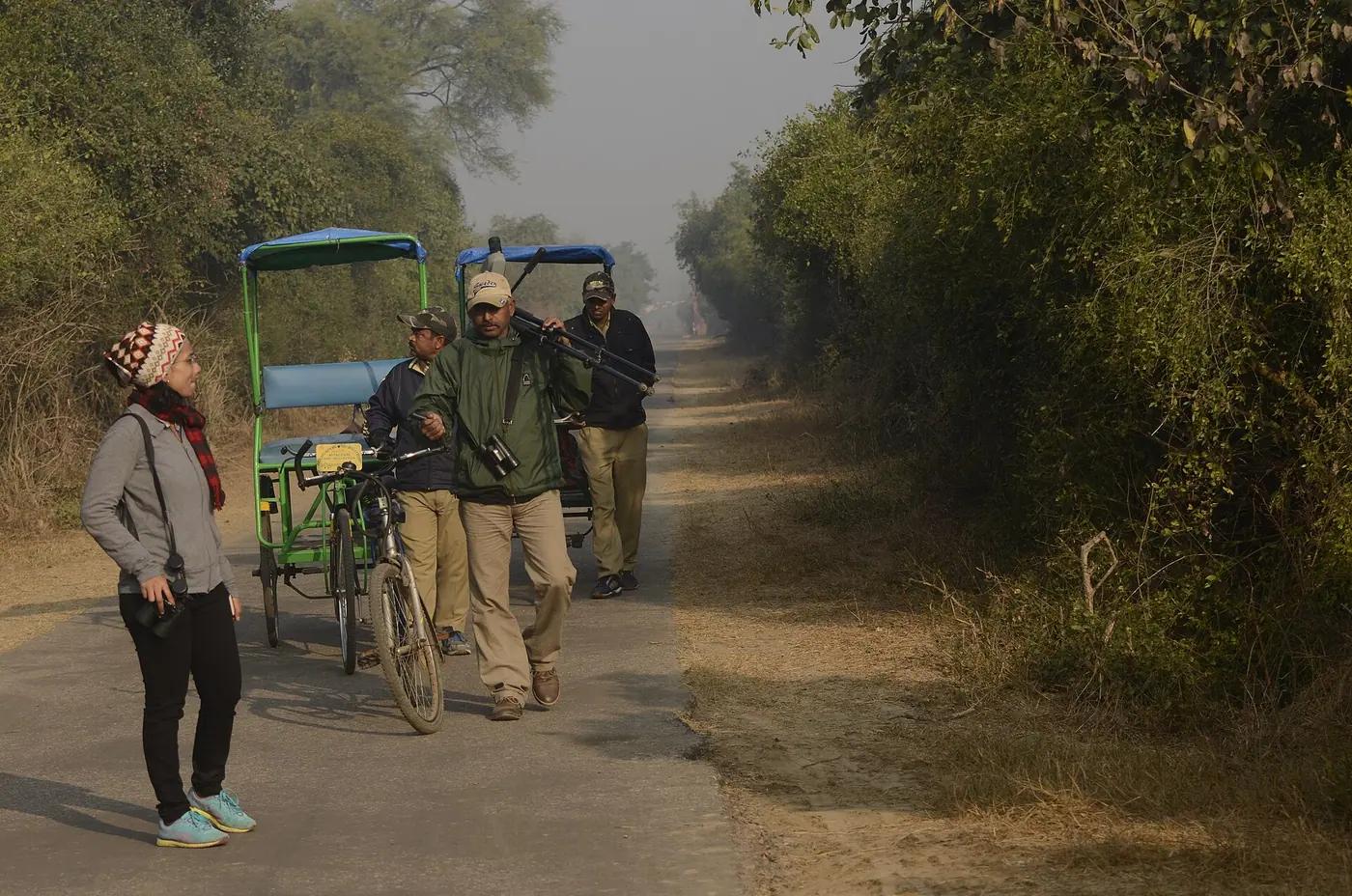
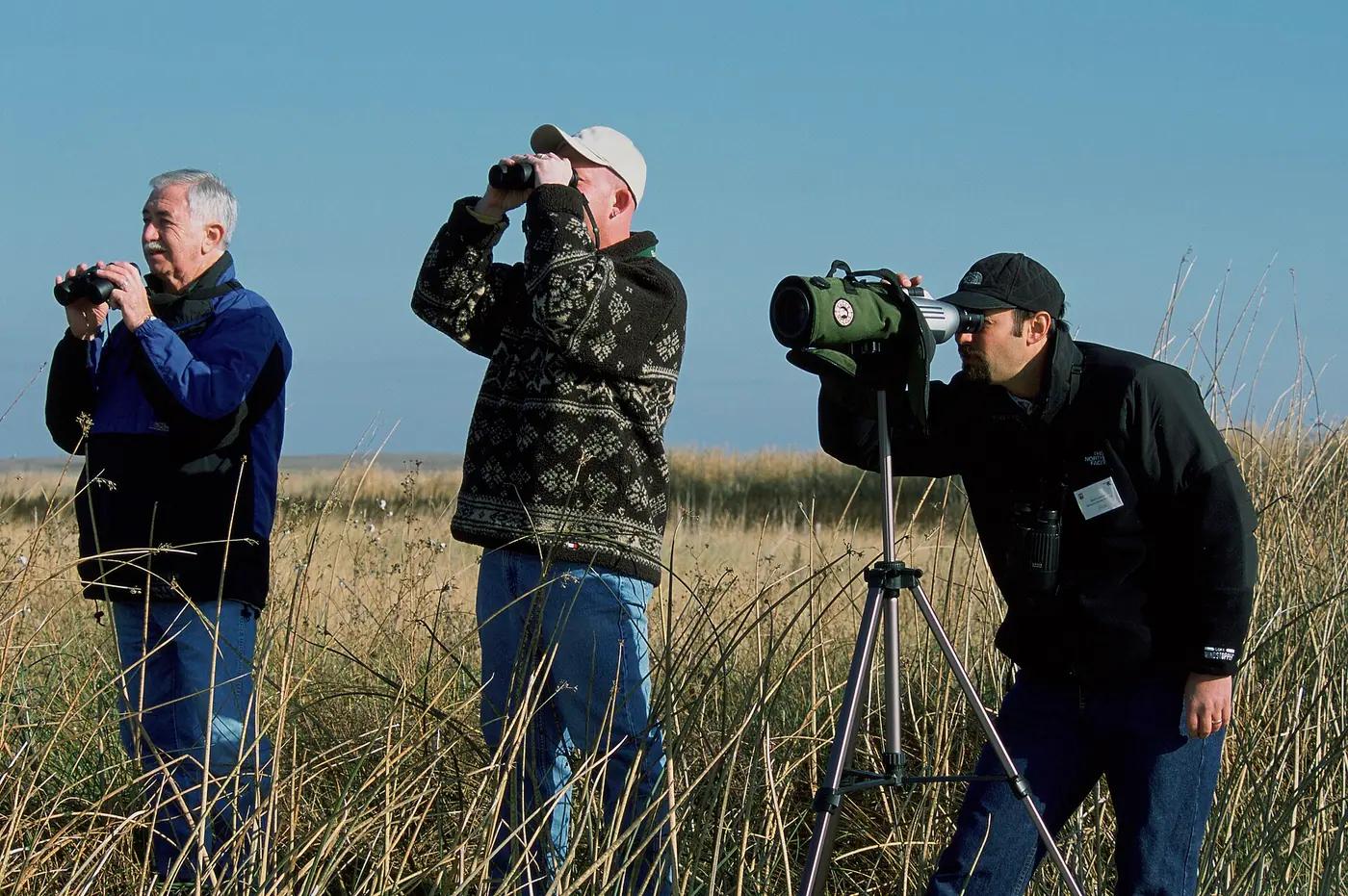
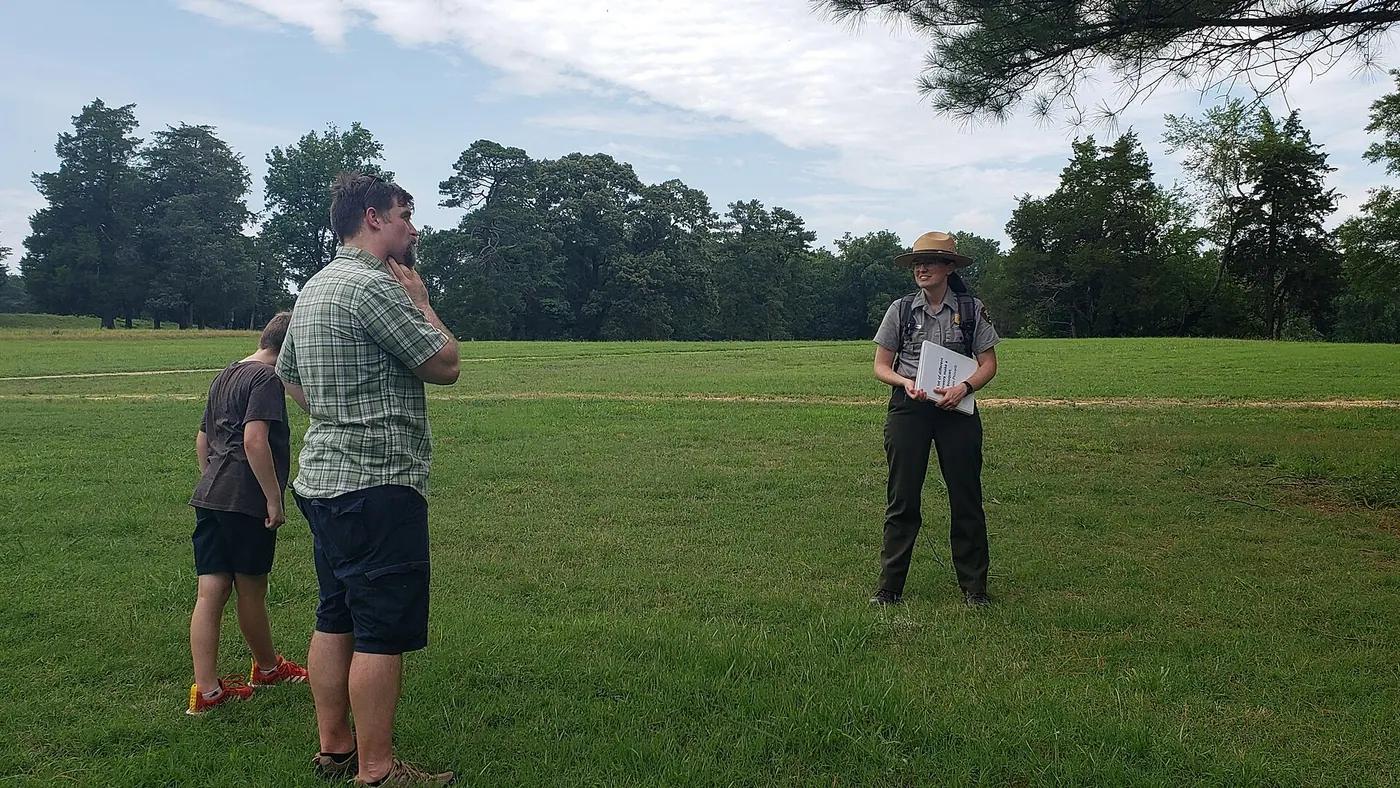
If you already know a wetland at first light, or which public trail goes quiet after rain, other people will pay for that time. That is guiding, not licensing, and it is the one route where a modest portfolio and deep local knowledge beat a famous name with no idea where the heron roosts. The customer is buying orientation: where to stand, when to arrive, how not to flush the bird for everyone else.
AnimalDex does not list or book guided walks, so a walk you lead stays your own business, paid directly by your guests, under whatever permits the land requires. What AnimalDex adds is a virtual route for the same knowledge. Each place where you log 3 or more wild species, with a public photo, becomes a virtual Wildlife Guide that other explorers will be able to buy for a small real-money fee: your notes on every animal, a direct chat with you, and introductions to local people you met. It is advice, not a tour, buying is coming soon, and nobody is ever promised a sighting.
Guiding sells orientation, not the animal
How virtual Wildlife Guides workVirtual Wildlife Guides on AnimalDex
What a species list does for a portfolio
Editors and picture researchers search by species, not by mood. The query is “osprey carrying fish, vertical, northern Europe”, and the photographer who can answer it in five minutes gets the licence. A species-indexed collection is how you answer in five minutes. It is also the quickest proof of range when a brand or a tour company asks what you actually shoot.
The same list tells you what to go and get. If your last two years are 80 percent waders and no herps, that is a portfolio gap and a sales gap at the same time.
Why photographers should track the species they photograph
What AnimalDex does and does not pay
Creator Rewards is designed as a company-funded allocation during open periods for eligible live contribution. It is currently paused. It will never be “Credits times a rate” or “Score times a rate”, and there is no per-capture fee. Do not plan rent around it.
Credits are not cash and cannot be withdrawn. Sponsored Challenges, which a zoo, park or brand can run inside the app, pay achievements today, not cash. The real-money route on the platform is virtual Wildlife Guides, and buying them is coming soon.
The useful move is still the same whichever program is open: original live captures, breadth across groups, and capture quality. That work has value in the collection even when no period is paying, and it is the same work that makes the other six rows of the table easier.
Creator RewardsWays to earn on AnimalDexSponsor a Challenge
A practical mix
Keep licensing and assignments if you have them; they are slow but they compound. Build a print edit of fifteen images with local stories. Use AnimalDex to keep a public species record; the places where you find enough wild species become virtual guides you can check, price and share. Treat Creator Rewards as a possible later program, not income you can invoice against.
What still sells is specificity: a behaviour nobody else has, a species nobody else has covered, a place you can reach on a Tuesday.
Pertanyaan singkat
Jawaban ringkas untuk pertanyaan yang paling sering muncul pada topik ini.
- Does AnimalDex pay photographers for uploading photos?
- No. Live captures build a collection; they do not earn a fee. Credits are not cash and cannot be withdrawn. Creator Rewards is paused, and when it runs it is a company-funded allocation for eligible live contribution, not a per-photo rate. The real-money route is virtual Wildlife Guides built from your sightings, and buying them is coming soon.
- How much do wildlife photographers earn from stock photography?
- Usually very little per image. Microstock licences commonly pay cents to a few dollars per download and the photographer keeps a share of that. Rights-managed or editorial licences pay more but sell far less often. Stock works as a long tail on a large, well-keyworded archive rather than as a primary income.
- Can you make a living as a wildlife photography guide?
- Some people do, usually by combining guiding with workshops and tours at sites they know in every season. Local guiding on its own is more often a side income: small groups, a per-person price, and permits where the land requires them. Nobody can promise sightings, and the customers who return are the ones you were honest with.
- What sells better, prints or licensing?
- Prints usually earn more per sale and licensing earns more often, so the answer depends on whether you have an audience. A local following will buy prints of local species and places. Without one, a well-keyworded archive on licensing platforms earns slowly without you shipping anything. Most working photographers run both.
Panduan jawaban terkait topik ini
Kalau kamu ingin perbandingan langsung dan rekomendasi yang jelas, lanjutkan ke halaman jawaban berikut.
Best Animal Identification Apps
Compare the best animal identification apps by features like photo/video identification, species coverage, collection capabilities, offline use, and more.
What Is Animal Collecting
Learn what animal collecting means in modern apps and how AnimalDex turns real-world sightings into cards, sets, rarity, and species learning.
Pokemon-Like Animal App
Looking for a Pokemon-like animal app with real species? AnimalDex combines creature-collection energy with AI scanning and wildlife learning.
Panduan terkait
wildlife-guides
Turn Local Wildlife Knowledge Into a Guiding Side Income
Know the public paths, seasons and honest expectations for local wildlife? What a guided outing sells, what it needs, and where AnimalDex fits.
6 menit baca
How AnimalDex Rewards Genuine Wildlife Contribution
Creator Rewards recognises live, diverse, high-quality wildlife contribution and is currently paused. What genuine means, and what never becomes cash.
6 menit baca
How to Build a Digital Species Collection as a Photographer
Turn field photos into a searchable species collection: what counts as a capture, how a card gets indexed, and the field habit that keeps the list honest.
7 menit baca