

wildlife photographyspecies collection
Why Photographers Should Track the Species They Photograph
A species list changes what you go out to shoot. How a tracked list exposes portfolio gaps, keeps IDs honest, and turns a camera roll into a body of work.
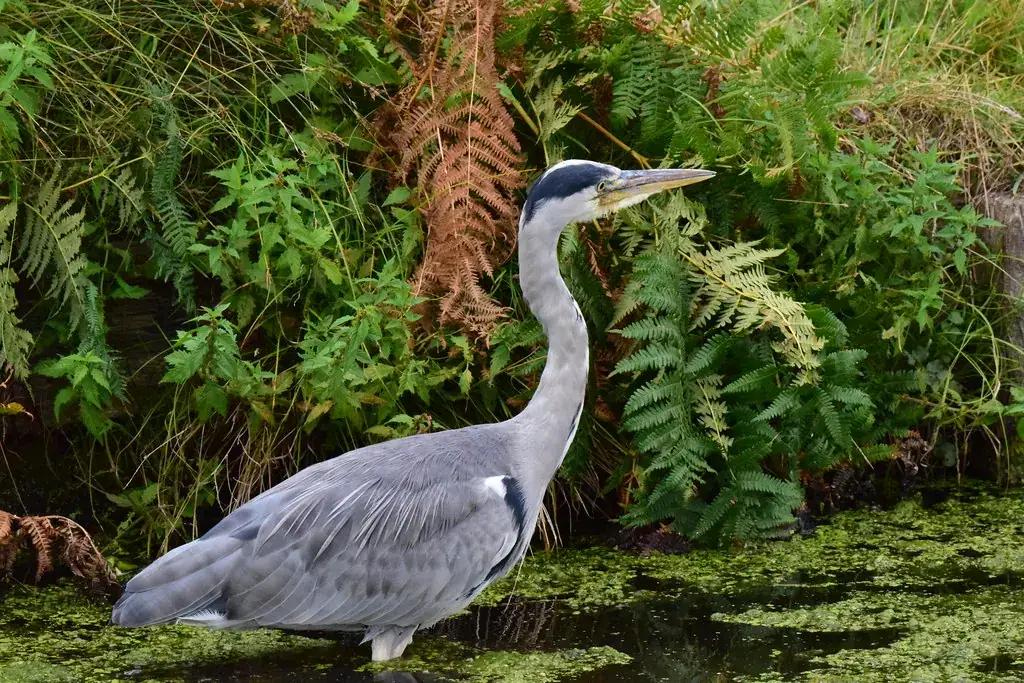
Lists change behaviour
Without a list, you reshoot the same easy bird. The robin on the fence is sharp, the light is good, and the file joins four hundred others exactly like it. With a list, you notice the gap instead: no night herps, no insects, nothing from the shoreline since the spring. That gap is the difference between a hobby folder and a body of work.
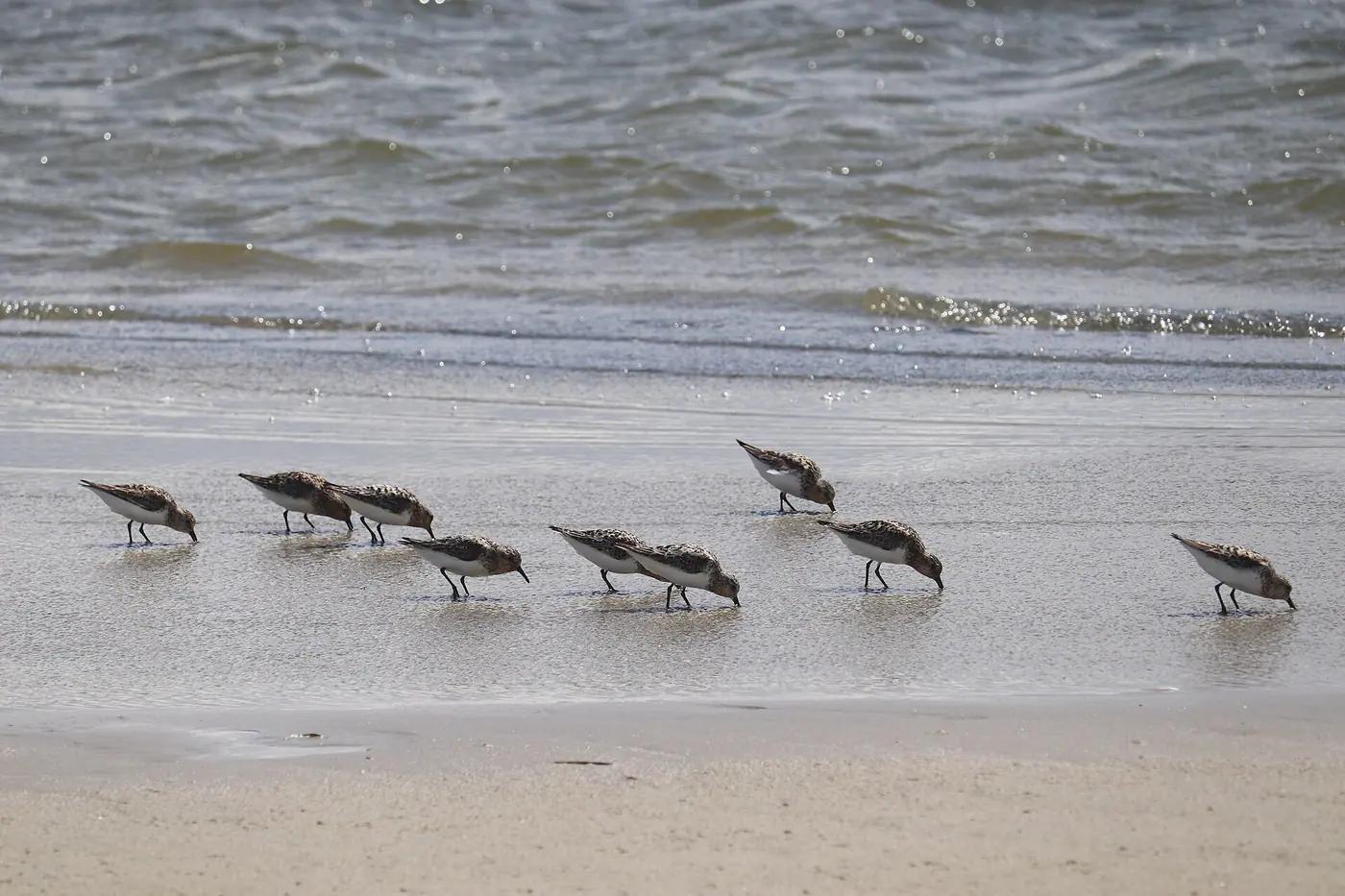
Birders worked this out generations ago. A life list is not vanity; it is a planning tool that tells you where you have not been and what you have not looked at properly. Sanderlings are a useful example. They are small pale waders, about 20 cm long, that run in and out with each wave on open sandy beaches, and they are easy to walk past as “some sandpipers”. The photographer with a list goes back for the sanderling at eye level, and comes home with a better frame and a confirmed species.
What a species list does for a portfolio
A portfolio is judged on range as much as on peaks. An editor who needs a specific species wants to know in one search whether you have it, in what season, and whether the behaviour they need is in the set. A species-indexed list answers that in a minute. A date-sorted archive answers it in an afternoon, if at all.
The list is also the cheapest honesty check you own. When the count says 180 species and 150 of them are birds, you know your “wildlife photography” is bird photography with occasional foxes. That is fine as a specialism, but it should be a choice, not an accident.
Finally, a tracked list has a date on each first. First photographed, first good frame, first behaviour. Those dates are what turn a species into a project: three years of the same kingfisher pair tell a story that one lucky frame cannot.
Wildlife photography companion app
Index first, then fill the holes
AnimalDex gives each resolved animal a catalog card. Repeat captures of the same species keep their own grade and context, but collection progress counts unique identities, which is what a photographer's list should count too. The grade is a 1–10 score for that specific capture, so a second, better frame of a species you already hold still has a reason to exist.
First-time wild species captures also grant 1 Credit. That is a Credits grant, not Earnings. It exists to keep scanning going and it cannot be withdrawn or converted. It does not imply the species is worth money, and Creator Rewards, the program designed to recognise live contribution, is currently paused.
Ways to earn on AnimalDexHow AnimalDex indexes animals
Birders already know this. Macro and herp shooters should too.
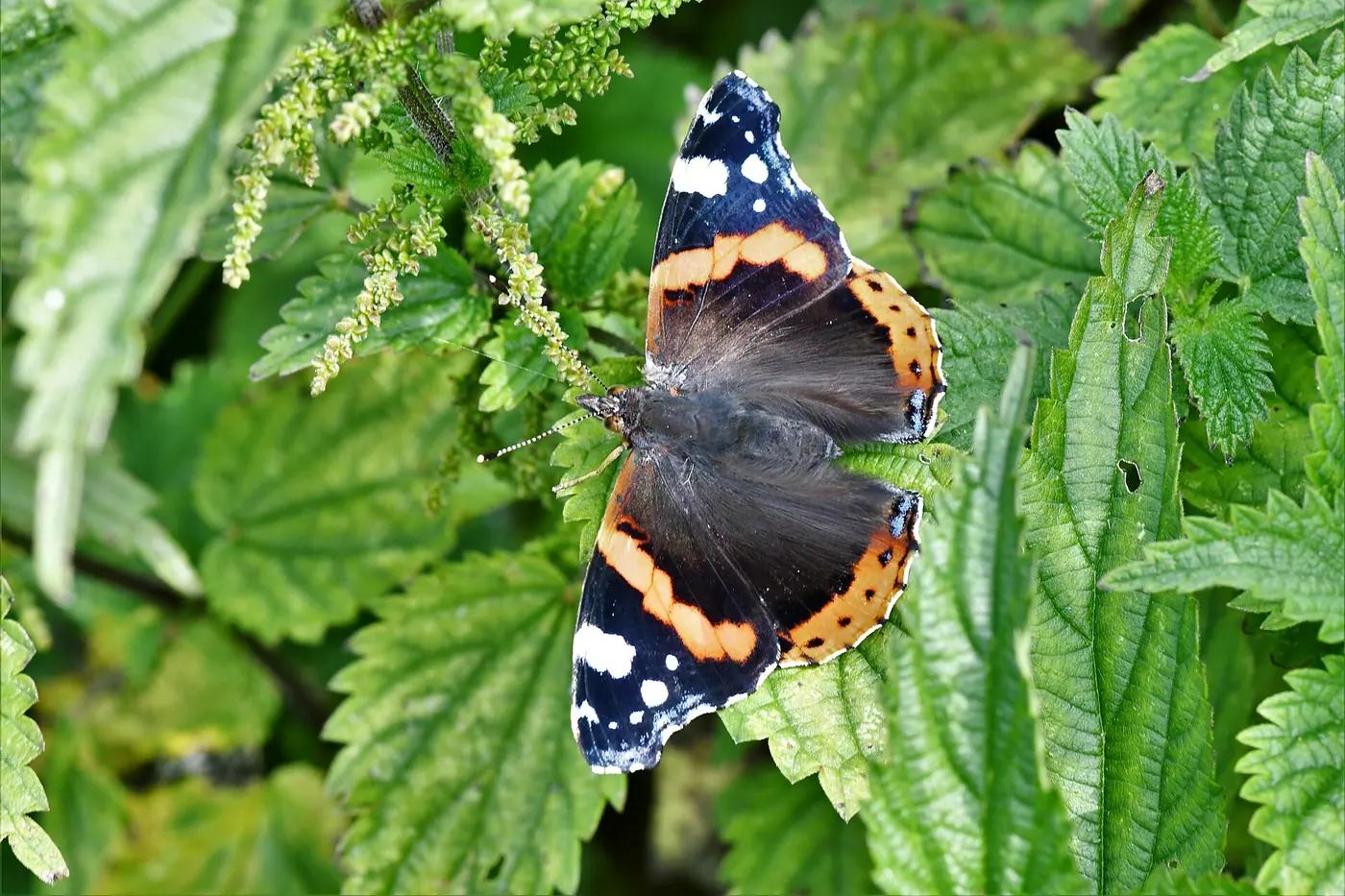
A bird checklist is normal. An insect or amphibian checklist is rarer and often more useful, because those animals are the ones you skip. The red admiral is a migrant butterfly with a wingspan of roughly 6 to 8 cm whose caterpillars feed on stinging nettles, which means the scruffy nettle patch behind the car park is a site, not a weed. Most photographers have walked past it a hundred times.
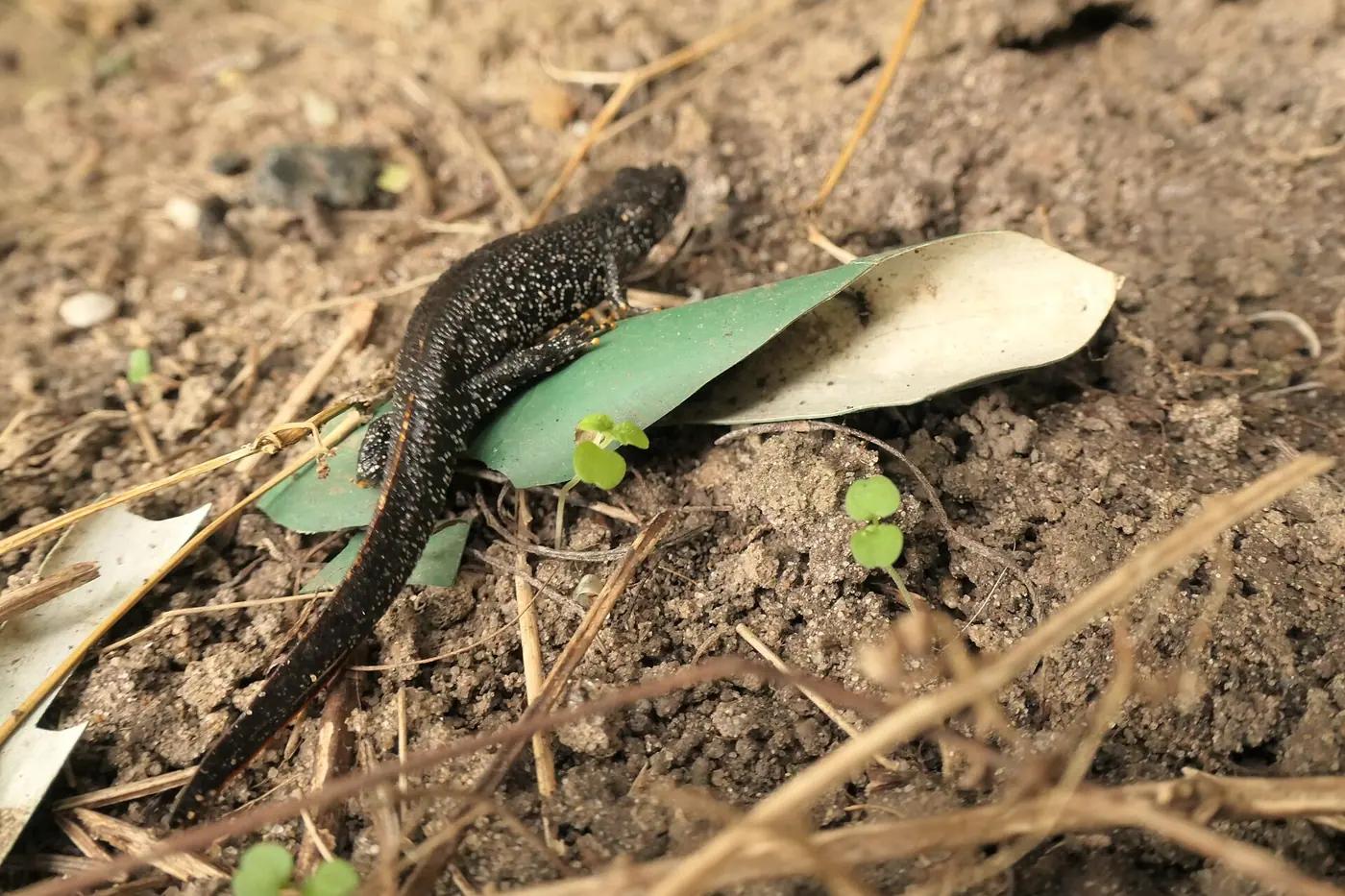
Newts are the same story in a pond. A smooth newt is 8 to 11 cm long and spends spring in the water and the rest of the year under logs and stones nearby, so the species is there in both seasons if you look at the right height. AnimalDex treats insects, reptiles and amphibians as collectible wildlife, not as junk detections, and a list that includes them is the one that shows you where to go next.
The species you skip are the ones the list finds
From birding to herpingHerping field journal
A simple tracking system
Whatever tool you use, the fields below are the ones that pay off later. They are also the ones a live capture records for you by default, which is the practical argument for doing the capture in the field rather than reconstructing it at a desk.
| Field | Why it matters | Example |
|---|---|---|
| Species, with the scientific name | Common names drift between regions; Calidris alba does not | Sanderling, Calidris alba |
| First-photographed date | Turns a tick into a timeline you can build a project on | 2024-10-12 |
| Location, honestly recorded | Lets you go back, and lets a reviewer trust the record | Schiermonnikoog north beach |
| Best grade or best frame | So you know which species still need a proper photo | 7/10, distant, no eye contact |
| Behaviour seen | Behaviour is what editors ask for and what you forget first | Feeding at wave edge, flock of 9 |
| Confidence | Marks the ticks that need a second look | Group only: silent leaf warbler |
Lookalikes and honest ticks
A list is only worth keeping if every line on it is true. Smooth and palmate newts are the textbook trap: females of the two are hard to separate even in the hand, and the reliable field mark is the throat, spotted in the smooth newt and plain pink in the palmate. If your photo does not show the throat, the honest entry is “newt, species unconfirmed”, and in AnimalDex terms that may mean a group-level record rather than a species card.
The same discipline applies to silent leaf warblers, distant white egrets and any small brown job at dusk. A tracked list with three honest “unconfirmed” lines is worth more than one with three guesses, because the first list tells you exactly what to go back for.
A list with three honest “unconfirmed” lines is worth more than one with three guesses. The first list tells you what to go back for.
Pertanyaan singkat
Jawaban ringkas untuk pertanyaan yang paling sering muncul pada topik ini.
- What is a life list in wildlife photography?
- A life list is the running record of every species you have photographed, usually with the date and place of the first one. Birders have kept them for generations as a planning tool. For a photographer it doubles as a portfolio index: it shows range, exposes gaps such as no night animals or no insects, and tells an editor in one search whether you have a species.
- How do I keep track of the animals I have photographed?
- Record one line per species with the scientific name, the first-photographed date, an honest location, your best frame or grade, and the behaviour you saw. A spreadsheet works if you fill it in every time. A live capture app does the same thing at the moment you take the photo, which is the step most people skip at the desk.
- Does photographing the same species twice count twice?
- On a species list, no: the species is counted once, however many frames you have. In AnimalDex the catalog card is counted once too, but each capture keeps its own grade, context and media, so a second capture of a species in a new season or habitat still adds to the record and can be the better frame.
- Can you identify a species from a photo alone?
- Often, but not always. Some pairs need a feature a photo may not show: the throat on a smooth versus palmate newt, the leg colour and wing tip on a willow warbler versus a chiffchaff, or a song. When the photo cannot prove the species, log it at the level you can prove, such as a group, and go back for the confirming shot.
Hewan yang disebut
Lompat dari artikel ini ke halaman spesies di balik contoh, catatan systems, dan referensi field guide.
Panduan jawaban terkait topik ini
Kalau kamu ingin perbandingan langsung dan rekomendasi yang jelas, lanjutkan ke halaman jawaban berikut.
Best Animal Identification Apps
Compare the best animal identification apps by features like photo/video identification, species coverage, collection capabilities, offline use, and more.
What Is Animal Collecting
Learn what animal collecting means in modern apps and how AnimalDex turns real-world sightings into cards, sets, rarity, and species learning.
Pokemon-Like Animal App
Looking for a Pokemon-like animal app with real species? AnimalDex combines creature-collection energy with AI scanning and wildlife learning.
Panduan terkait
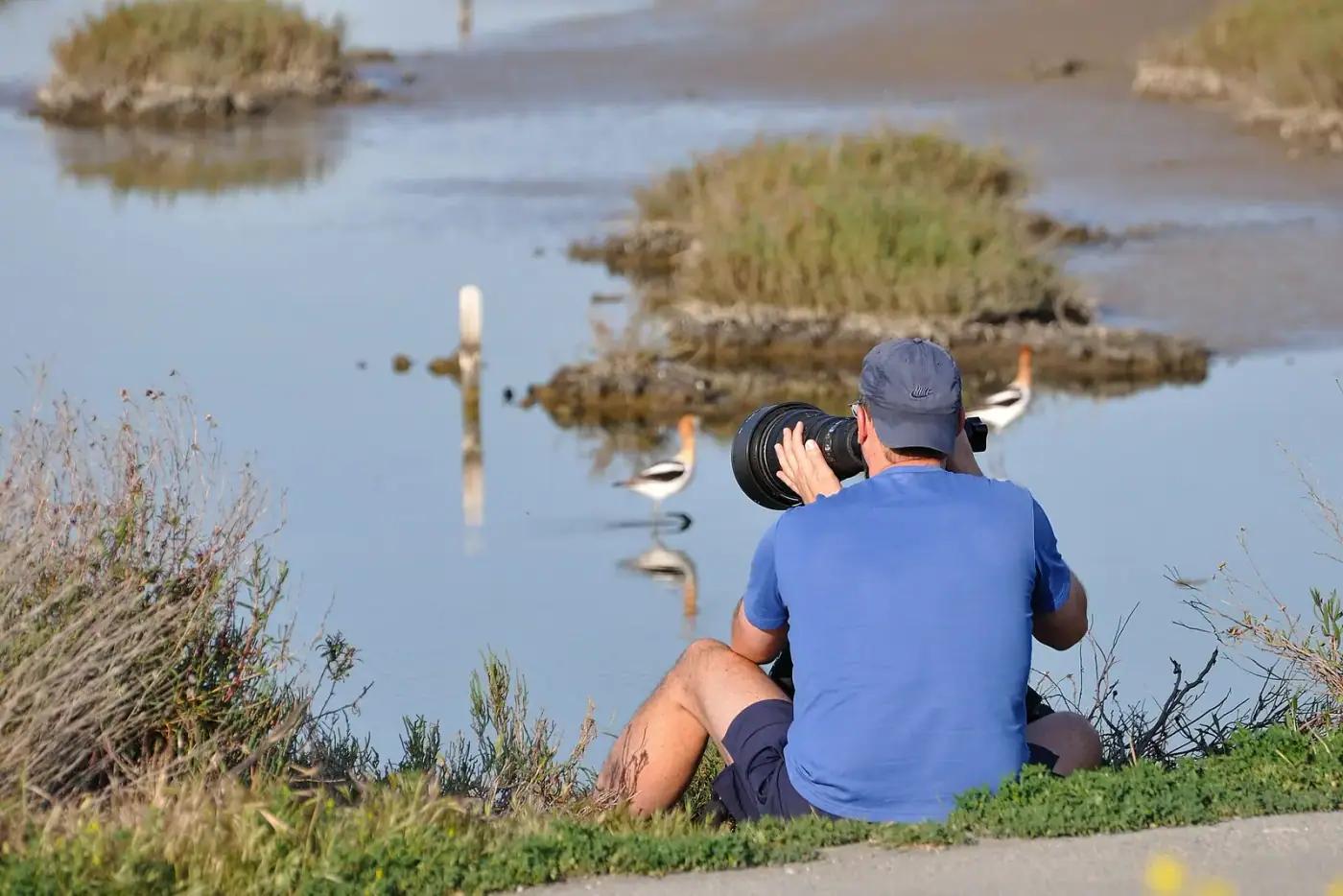
wildlife photography
How to Build a Digital Species Collection as a Photographer
Turn field photos into a searchable species collection: what counts as a capture, how a card gets indexed, and the field habit that keeps the list honest.
7 menit baca
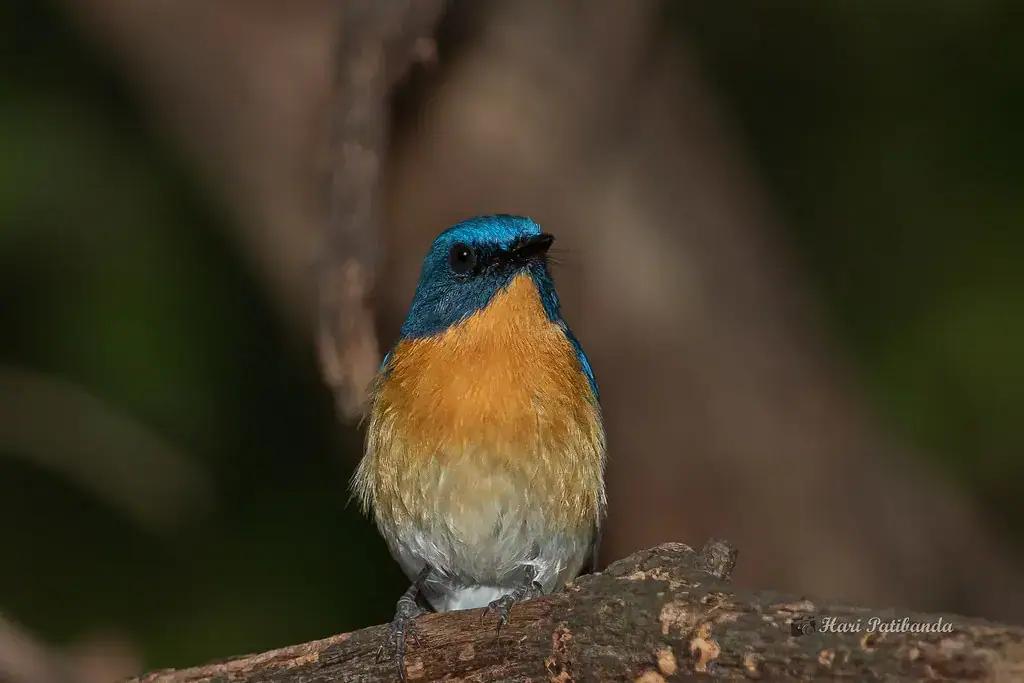
From Birding to Herping: Keep One Public Wildlife Record
Bird lists are common; reptile, frog and insect lists are not. How to keep one honest public record across dawn birding, night herping and macro work.
6 menit baca
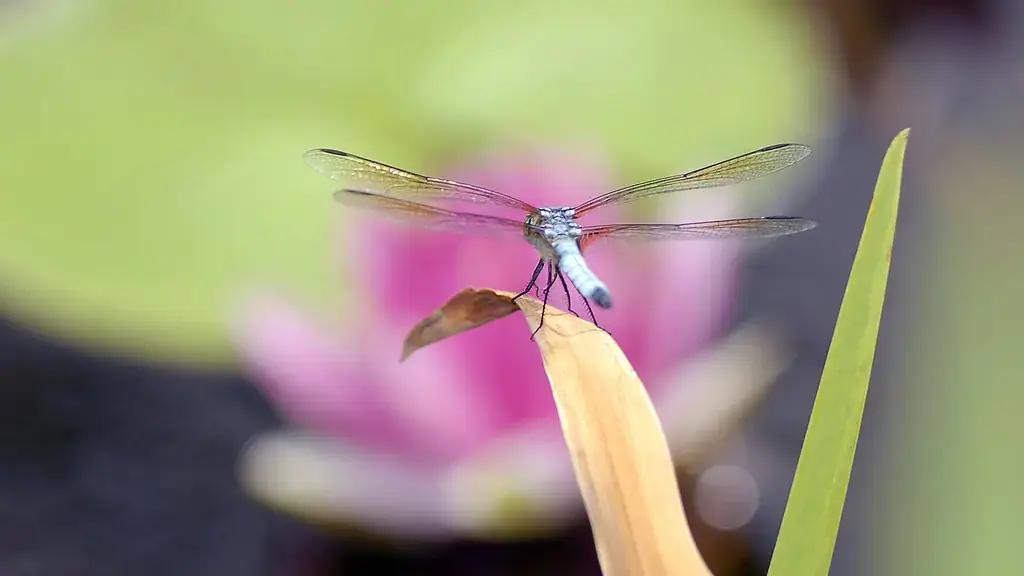
Wildlife Photography Challenges That Improve Field Craft
Seven self-set wildlife photography challenges, from eye level and backlight to behaviour sequences and habitat in frame, with the technique behind each.
7 menit baca