

contextwildlife encounters
Preserve the Context Behind Animal Encounters
Place, season, weather, behaviour and setting turn a wildlife photo into a record. How to keep them with the picture so it still makes sense in five years.
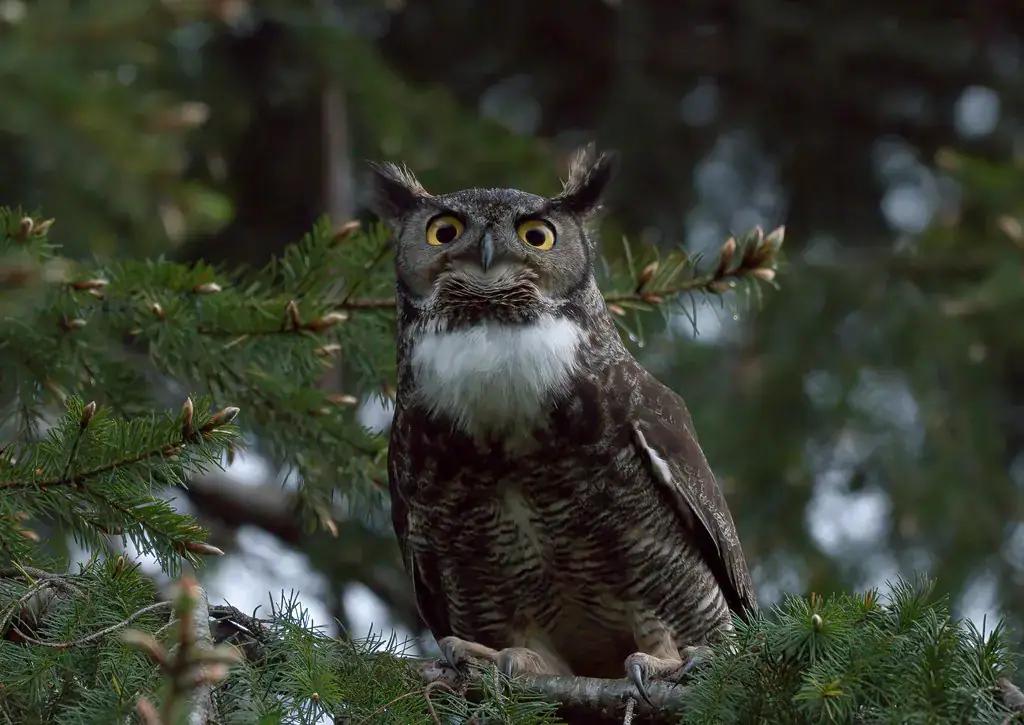
A beautiful crop without context is a postcard
Wild versus zoo, the actual place, the month, the weather, what the animal was doing and whether several animals were in shot: those are the difference between a postcard and a record. A tight crop of a heron is pleasant. A heron, at a named pond, in late February, standing in sleet, with the long breeding plumes just coming through, is a data point.
Context is cheap to record on the day and almost impossible to reconstruct later. The photograph keeps the light; it does not keep the temperature, the sound, the distance or the reason you were there. Import asks for those confirmations on purpose, because a record that lacks them cannot be trusted and a record that invents them is worse.
The photograph keeps the light. It does not keep the temperature, the distance or the reason you were there.
Why context makes a record valuable
Take a grey heron, the common large heron of Europe and Asia: 90 to 100 cm tall, a wingspan of up to 1.95 m, and a habit of standing motionless for long stretches before a strike. The same bird photographed in four contexts is four different records.
| Context field | What it tells you later | Grey heron example |
|---|---|---|
| Place | Range, habitat, site fidelity | City-park pond versus a reed-fringed river |
| Season | Breeding state, migration, moult | Late winter: breeding plumes; nesting in a heronry from February |
| Weather | Why the animal was there and active | After rain: frogs and worms up, herons on wet grass |
| Behaviour | Natural history, not just presence | Still-hunting, nest-building, feeding young |
| Setting | Wild or captive | Free-flying in a park counts as wild; a wildlife-centre bird does not |
| Distance | Disturbance and how the frame was made | 25 m, bird undisturbed, left on its own |

Do not let the phone invent the place
Current GPS is where you are now. Caption text is what you typed then. Neither is automatically the capture location of a historical photograph. A phone photo of a camera's screen carries the GPS of your kitchen; a caption saying Kruger might mean the park, the gate town or the airport.
If you do not know, say you do not know. AnimalDex can record unknown; it will not treat that as enough to import, because a capture needs a confirmed historical place. That is a feature. An honest unknown stays out of searches it would corrupt. A guessed coordinate gets into all of them.
Wild, zoo, farm, domestic
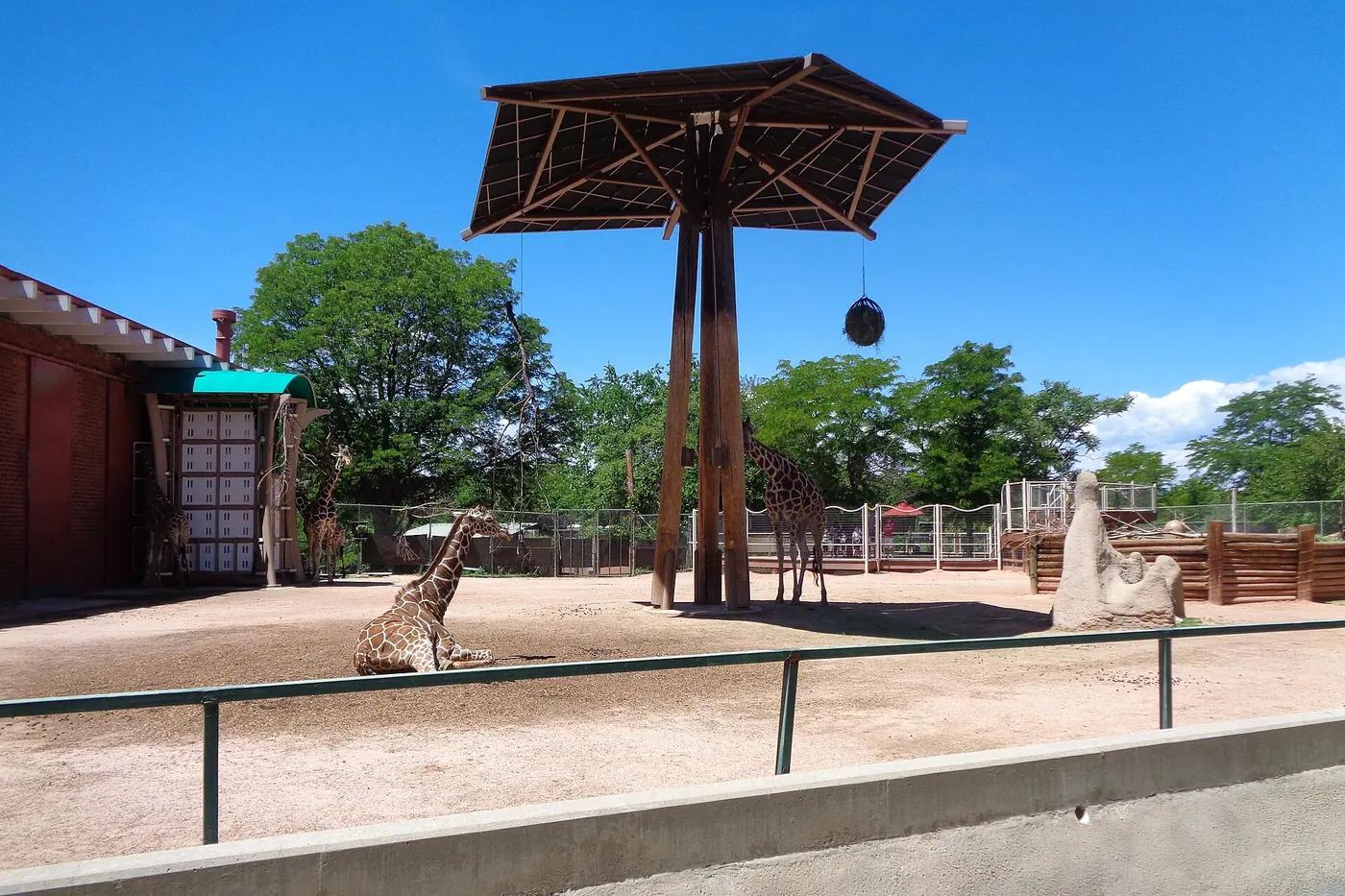
Setting is the context field people most often leave out, and it is the one that changes what a record means. A giraffe at Denver Zoo is a genuine encounter with a 5 m animal. It is also a captive record, and the two should never collapse into one tile.
The convention is older than any app. The American Birding Association's recording rules only count birds that are wild and unrestrained; captive and escaped birds do not go on a life list. Photography competitions require captive disclosure. Herpers keep pet-shop and zoo animals off their field lists. Recording setting at the moment of filing means your archive follows the convention without you having to remember which was which.
AnimalDex stores setting on every capture as wild, zoo, farm or domestic. Zoo and aquarium visits can be in the collection; they just say what they are.
Identity can stay at group level
Some animals are indexed as a group on purpose. A brown skink that crossed the path, a treefrog calling from a reed you never saw, a gull in winter plumage at 80 m: these are honest group-level records. Forcing a species-level name to look more professional makes the archive worse, not better, because every later search for that species now returns a guess.
Experts revise identifications all the time. Leave the door open by recording what you saw and why: size, pattern, call, habitat. If someone resolves it later, the record upgrades. If you had guessed, nobody would ever know it needed checking.
Same day
Write place, time, weather and behaviour before you sleep. Memory of these decays within days.
Setting
Wild, zoo, farm or domestic, on every frame, before the trip folder is closed.
Distance and disturbance
How far, and whether the animal changed behaviour because of you.
Several animals
If more than one species is in shot, say which one the record is for.
Uncertainty
Group-level identity when the frame does not support a species. Note why.
Wildlife photography companionWildlife photography life list
Pertanyaan singkat
Jawaban ringkas untuk pertanyaan yang paling sering muncul pada topik ini.
- What should I record with a wildlife photo?
- Place, date and time, season, weather, behaviour, distance, setting (wild, zoo, farm, domestic) and whether several animals were in shot. Write it the same day; those details decay within a week and the photograph does not keep them. Identity can stay at group level if the frame does not support a species.
- Do zoo animals count as wildlife sightings?
- Not as wild records. Birders' life-list rules count only wild, unrestrained birds, and photography competitions require captive disclosure. A zoo visit is still a real encounter worth keeping, which is why AnimalDex records a setting on every capture so captive and wild records never merge.
- Can I use my phone's GPS as the photo location?
- Only if you took the photo on the phone at the moment of the encounter. For photos uploaded later or re-photographed from a camera screen, GPS records where you were when you uploaded. Confirm the historical place yourself, and record unknown rather than guessing.
- Why does context make a wildlife record more valuable?
- Because a species name alone says the animal exists; the context says what it was doing, when, where and under what conditions. A grey heron in breeding plumes at a heronry in February and the same species on a city pond in August are different pieces of natural history. Context is what researchers, editors and your future self can actually use.
Hewan yang disebut
Lompat dari artikel ini ke halaman spesies di balik contoh, catatan systems, dan referensi field guide.
Panduan jawaban terkait topik ini
Kalau kamu ingin perbandingan langsung dan rekomendasi yang jelas, lanjutkan ke halaman jawaban berikut.
Best Animal Identification Apps
Compare the best animal identification apps by features like photo/video identification, species coverage, collection capabilities, offline use, and more.
What Is Animal Collecting
Learn what animal collecting means in modern apps and how AnimalDex turns real-world sightings into cards, sets, rarity, and species learning.
Pokemon-Like Animal App
Looking for a Pokemon-like animal app with real species? AnimalDex combines creature-collection energy with AI scanning and wildlife learning.
Comparisons terkait
Lanjutkan ke halaman comparison animal-vs-animal terstruktur yang terhubung dengan spesies di panduan ini.
Elephant vs Giraffe: Which Is Stronger?
Elephant is the stronger overall answer because it carries much more mass and pushing power. Giraffe stays dangerous through height, kicking, and awkward geometry rather than through direct bulk.
Giraffe vs Lion: Who Would Win in a Fight?
Adult giraffe is far more dangerous than people assume and can absolutely repel or injure lions. Lion still gets the better overall predation answer once pride pressure, target vulnerability, or repeated attacks enter the story.
Panduan terkait
wildlife photography
Make Wildlife Photography a Searchable Body of Work
Index wildlife photos by species, place and date so a decade of pictures becomes a body of work you can query, with a minimum metadata standard.
4 menit baca
How to Organize Years of Wildlife Photos by Species
A working method for sorting a wildlife photo archive by species, place and setting, re-identifying old shots honestly and keeping the result searchable.
6 menit baca
How to Keep a Wildlife Photography Life List
How photographers keep a species life list that stays honest: what counts, how to handle uncertain IDs, where old archives fit, and which fields matter.
4 menit baca