

wildlife photographybody of work
Make Wildlife Photography a Searchable Body of Work
Index wildlife photos by species, place and date so a decade of pictures becomes a body of work you can query, with a minimum metadata standard.
Search needs identity, not only keywords
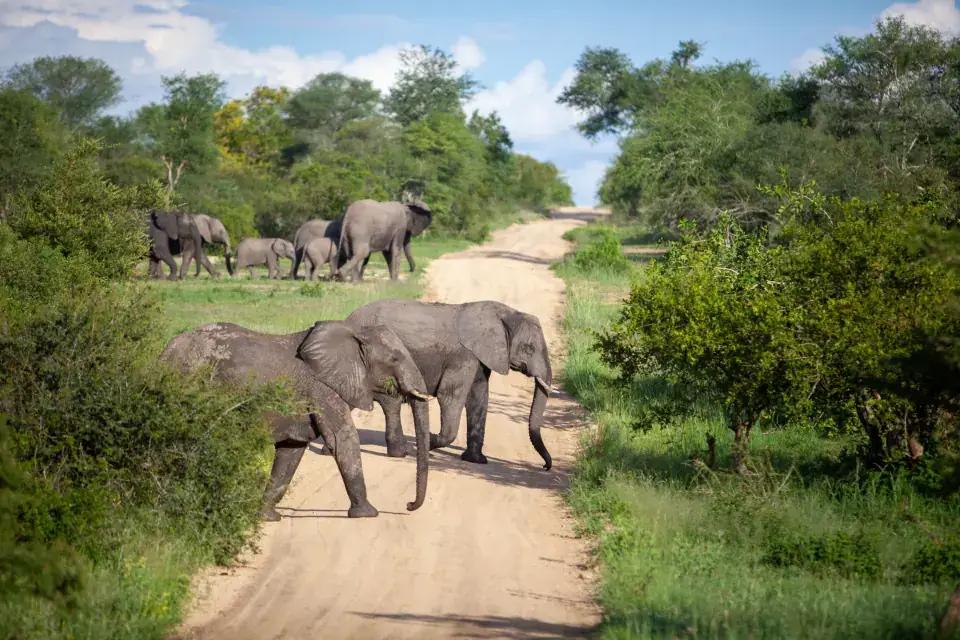
Filename search fails on IMG_8841. Keyword search works only if you typed the same keyword, spelled the same way, on every relevant frame for ten years. Most photographers did not. The archive that can be searched is the one where every picture carries a species identity and a confirmed historical location, because those two fields do not depend on memory.
A gallery can find Tuesday. A Dex can find every heron you have actually documented, across every Tuesday.
The fix is not more folders. It is a short list of fields applied consistently, starting now, and then worked backwards through the archive one species at a time.
A minimum metadata standard
Professional photo libraries use the IPTC photo metadata standard, which has fields for keywords, location and description that travel inside the file. You do not need to adopt the whole standard. You need these six fields, wherever you keep them.
| Field | Example | Where it lives |
|---|---|---|
| Species or group | Great blue heron | Keyword hierarchy or Dex identity |
| Historical place | Heron pond, Three Creeks, Ohio | IPTC location fields or Dex location |
| Date | 2021-07-14 | EXIF capture date (check camera clock on trips) |
| Setting | Wild | Keyword or Dex setting |
| Behaviour | Hunting from a fallen branch | Description or caption field |
| Season and weather | Mid-summer, overcast | Description field |
Keep captions out of the coordinate field
Hashtags and caption place names are hints, not records. A caption that says Everglades might mean the national park, the city of Everglades, or a road an hour away. The EXIF GPS tag is where the camera was, which for a 600 mm frame can be 100 m from the animal and, for a photo uploaded later, can be your kitchen.
AnimalDex asks you to confirm the historical place of the photograph instead of guessing from text or today's GPS. If you genuinely do not know, record that. An unknown location is an honest record; an invented one poisons every search that touches it.
For sensitive species, nesting birds, rare orchids with insects on them, heavily collected reptiles, deliberately coarsen the public location. Keep the precise one in your private notes.
One species, many encounters
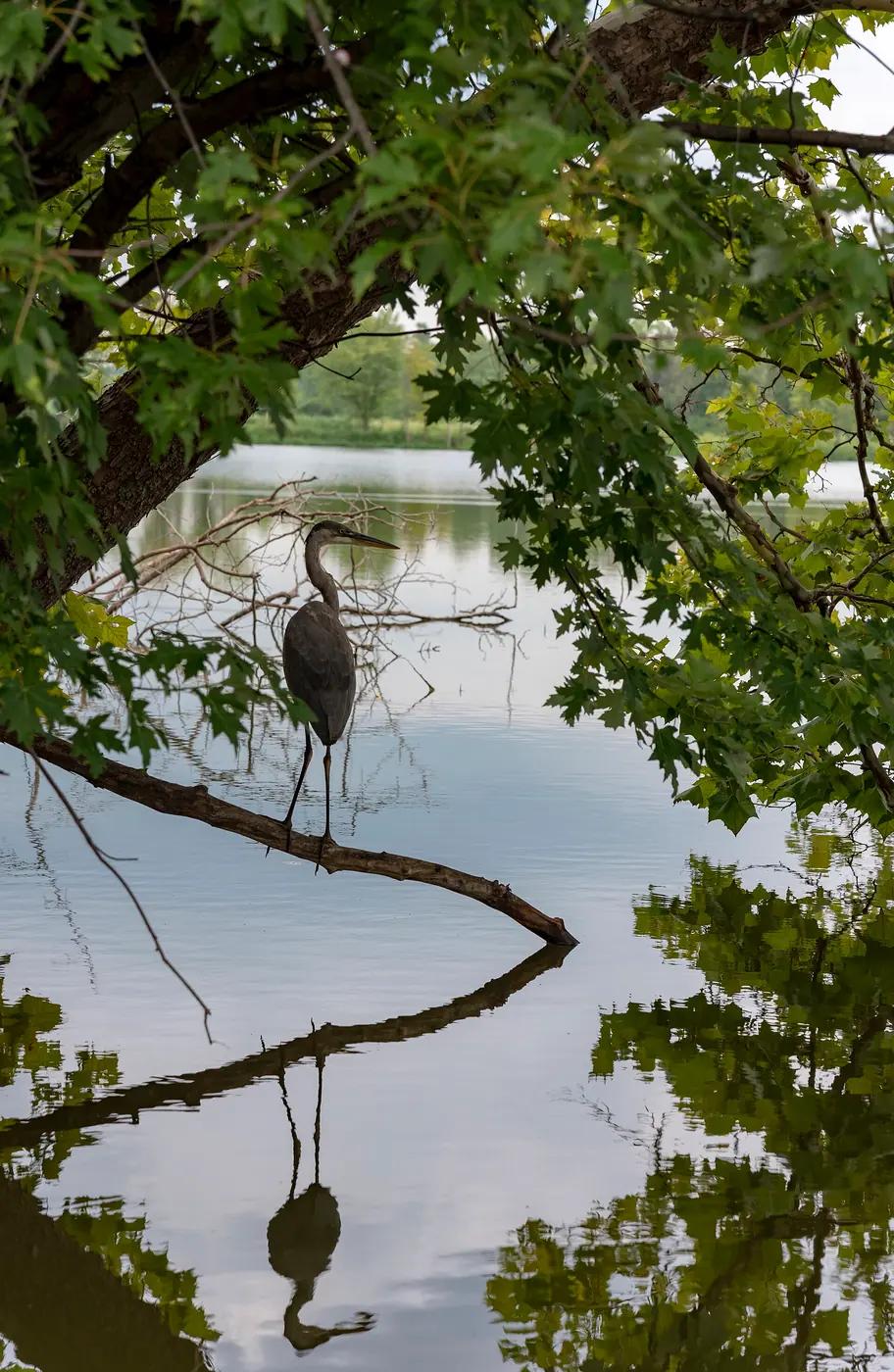
The payoff of a species index is not the first photograph of an animal. It is the fifth. A great blue heron stands up to 1.2 m tall on a 2 m wingspan and hunts by standing motionless in the shallows, sometimes for many minutes, before a single strike. One frame shows a heron. Five encounters across seasons show it fishing in July, in breeding plumes in March, hunched against a January wind, and that is natural history.
Indexed by species, those five encounters sit together and the behaviour becomes visible. Indexed by trip, they are in five folders named after five towns, and nobody ever looks at them side by side.
Import the archive, then keep shooting
Eligible Instagram posts can enter the same index after review: connect a compatible professional account, let AnimalDex find animal posts, confirm identity and historical place for each, and the original media is added. New work still comes from live captures, photos taken in the app at the moment of the encounter.
Imported posts build the collection. They do not add qualifying live-capture signals for Creator Rewards, which is currently paused in any case. Build the body of work because it makes you a better photographer and a faster one, not for a programme.
Pick one species
Start with the animal you have photographed most. Gather every frame of it, from every source.
Confirm the place
For each encounter, write down where the animal was. Unknown is allowed; guessed is not.
Mark the setting
Wild, zoo, farm or domestic, before you forget which were which.
Note behaviour
One phrase per encounter. Hunting, preening, displaying, resting.
Move on
Next species. Twenty minutes a day clears a decade in a season.
Wildlife photography companionImport Instagram wildlife photos
Pertanyaan singkat
Jawaban ringkas untuk pertanyaan yang paling sering muncul pada topik ini.
- How do I organize wildlife photos so I can search them?
- Attach a species identity and a confirmed historical location to every frame, then add setting, date and behaviour. Those fields do not rely on remembering a keyword. Work backwards through the archive one species at a time rather than one trip at a time, so encounters of the same animal end up together.
- What metadata should wildlife photos have?
- At minimum: species or group, historical place, capture date, setting (wild, zoo, farm, domestic), behaviour and season or weather. Professional libraries carry these in IPTC fields inside the file; a Dex carries them as structured fields beside the image. Either works as long as every frame gets them.
- Can I trust the GPS in my photo's EXIF data?
- Only as a hint. EXIF GPS records where the camera was, not where the animal was, and for photos uploaded from a phone later it may record where you uploaded. Confirm the historical place yourself, and record unknown if you cannot.
- Should I hide locations for sensitive species?
- Yes. Coarsen the public location for nesting birds, rare plants and heavily collected reptiles and amphibians, and keep the precise site in private notes. Community platforms such as iNaturalist obscure threatened taxa automatically; your own archive and any public posts need the same discipline.
Hewan yang disebut
Lompat dari artikel ini ke halaman spesies di balik contoh, catatan systems, dan referensi field guide.
Panduan jawaban terkait topik ini
Kalau kamu ingin perbandingan langsung dan rekomendasi yang jelas, lanjutkan ke halaman jawaban berikut.
Best Animal Identification Apps
Compare the best animal identification apps by features like photo/video identification, species coverage, collection capabilities, offline use, and more.
What Is Animal Collecting
Learn what animal collecting means in modern apps and how AnimalDex turns real-world sightings into cards, sets, rarity, and species learning.
Pokemon-Like Animal App
Looking for a Pokemon-like animal app with real species? AnimalDex combines creature-collection energy with AI scanning and wildlife learning.
Comparisons terkait
Lanjutkan ke halaman comparison animal-vs-animal terstruktur yang terhubung dengan spesies di panduan ini.
Panduan terkait
wildlife photography
How to Organize Years of Wildlife Photos by Species
A working method for sorting a wildlife photo archive by species, place and setting, re-identifying old shots honestly and keeping the result searchable.
6 menit baca
How to Keep a Wildlife Photography Life List
How photographers keep a species life list that stays honest: what counts, how to handle uncertain IDs, where old archives fit, and which fields matter.
4 menit baca
Preserve the Context Behind Animal Encounters
Place, season, weather, behaviour and setting turn a wildlife photo into a record. How to keep them with the picture so it still makes sense in five years.
5 menit baca