

Animals in Morocco: What You Can Spot, Learn, and Collect
Morocco wildlife guide: Barbary macaques in the Ifrane cedars, northern bald ibis at Souss-Massa, storks on every minaret, fennec foxes and camels at Merzouga.
Jawaban cepat
Mulai dari jawaban langsung, lalu gunakan bagian di bawah untuk melihat kenapa lokasi ini penting dan hewan mana yang benar-benar realistis untuk di-spot di sana.
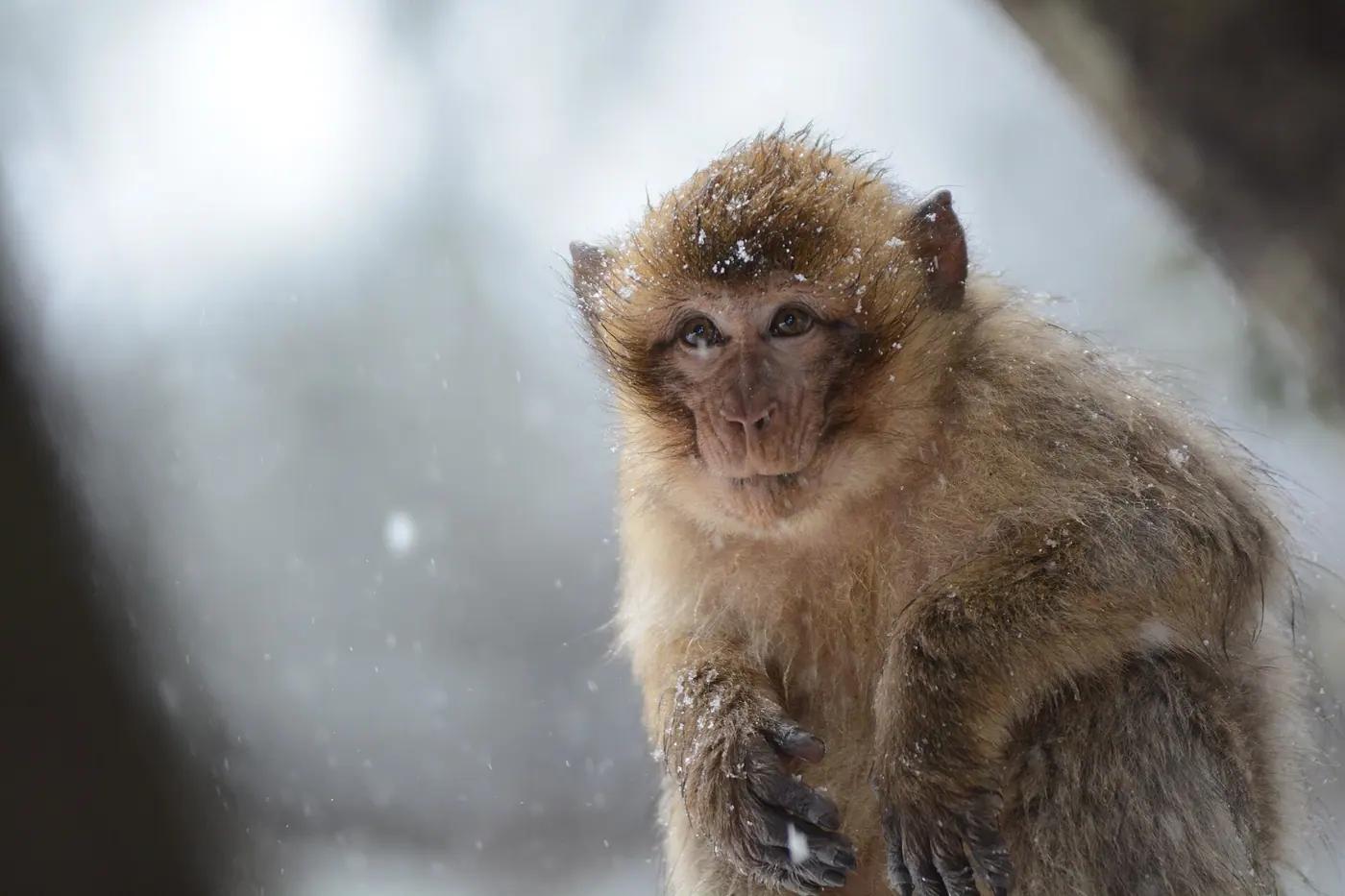
Morocco gives you Barbary macaques in the Middle Atlas cedar forest around Azrou and Ifrane, the world's largest wild colony of northern bald ibis at Souss-Massa near Agadir, white storks nesting on city walls from Marrakech to Chellah, and fennec foxes, horned vipers and camels in the dunes at Merzouga. Flamingos and waders fill the lagoons at Oualidia and Merja Zerga.
Morocco is a mountain and desert country with a long Atlantic coast, and each zone has its own animals. The cedar forests of the Middle Atlas hold the largest remaining population of Barbary macaques; the High Atlas has Barbary sheep and lammergeiers; the Souss-Massa coast protects the bald ibis; and the Saharan fringe at Merzouga and M'Hamid is fennec and dorcas gazelle country.
Cities count too. Storks nest on the Chellah ruins in Rabat and the Koutoubia in Marrakech, house buntings sing in riad courtyards, and Moorish geckos work the walls of every medina after dark.
Kenapa lokasi ini penting
Halaman lokasi yang baik menjelaskan kenapa tempat ini layak dikunjungi, bukan hanya nama-nama yang cocok dimasukkan ke checklist destinasi.
The northern bald ibis was down to a few hundred birds worldwide and Souss-Massa is the reason it is recovering. Seeing them feed on the clifftop steppe above the Atlantic is one of the rarest-bird experiences available on a normal holiday.
Morocco is also a migration corridor. Spring and autumn push raptors, storks and millions of songbirds through the Strait of Gibraltar, and a visitor with binoculars at Tangier or Merja Zerga can watch it happen.
Tempat mencari
Peta satwa liar Morocco
Panduan ini mencakup wilayah di bawah ini. Perbesar peta untuk mengenali areanya sebelum merencanakan perjalanan.
Posisi diambil dari OpenStreetMap. Akses habitat dan jam buka bisa berubah — periksa dulu sebelum berangkat.
Hewan untuk di-spot
Pilihan spesies di sini sengaja dibuat praktis, menyeimbangkan aksesibilitas, excitement, dan apa yang realistis untuk diperhatikan traveler di lokasi tersebut.

Barbary MacaqueC
Cedar forest troops around Azrou and Ifrane in the Middle Atlas are the biggest wild population left, and the Cèdre Gouraud car park troop is habituated to tourists.
Catatan spotting: Near-guaranteed at Azrou; do not feed them, which is spoiling their diet and behaviour.
Baca panduan spesies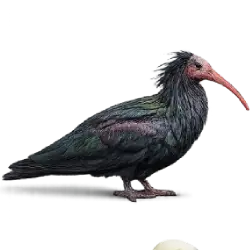
Northern Bald IbisB
Souss-Massa National Park south of Agadir holds most of the world's wild colony, feeding on the coastal steppe near Tamri and roosting on sea cliffs.
Catatan spotting: Reliable with a park guide at Tamri and Oued Massa; globally rare.
Baca panduan spesies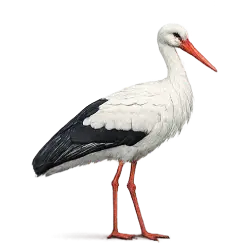
White StorkC
Nests on the Chellah necropolis in Rabat, the ramparts of Marrakech and Meknès, and every pylon along the Gharb plain.
Catatan spotting: Common and conspicuous February to August.
Baca panduan spesies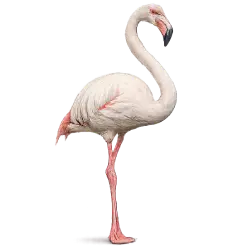
Greater FlamingoC
Flocks feed in the Oualidia and Sidi Moussa lagoons, Merja Zerga and the Khnifiss lagoon on the Saharan coast.
Catatan spotting: Common in winter on the Atlantic lagoons.
Baca panduan spesies
Barbary SheepC
The aoudad is protected on the slopes of Toubkal National Park and in the eastern High Atlas, where it moves between cliffs and scree at first light.
Catatan spotting: Uncommon; best with a mountain guide in Toubkal.
Baca panduan spesies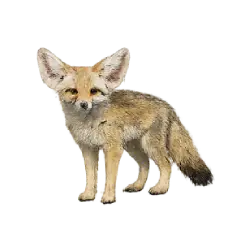
Fennec FoxC
Lives in the Erg Chebbi dunes at Merzouga and the Erg Chigaga near M'Hamid, emerging at dusk to hunt beetles and gerbils.
Catatan spotting: Nocturnal and shy; tracks at dawn are common, sightings are a bonus. Avoid camps that keep tame ones.
Baca panduan spesies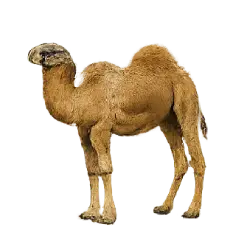
Dromedary CamelB
Working camels carry tourists into the Erg Chebbi dunes every evening, and semi-wild herds graze the hammada between Zagora and Foum Zguid.
Catatan spotting: Guaranteed at Merzouga; log the free-ranging herds as domestic.
Baca panduan spesies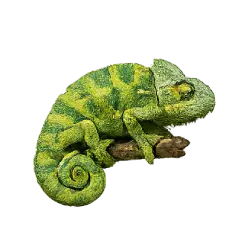
ChameleonC
The common chameleon lives in argan scrub and gardens along the Atlantic coast and the Souss valley, and is still sold in medina markets, which you should not support.
Catatan spotting: Uncommon to see wild; argan branches near Essaouira and Agadir are the place.
Baca panduan spesies
Greek TortoiseE
Spur-thighed tortoises graze the argan and olive country of the Souss and the Rif foothills after spring rain.
Catatan spotting: Fairly common in spring in the north and west; never buy one.
Baca panduan spesies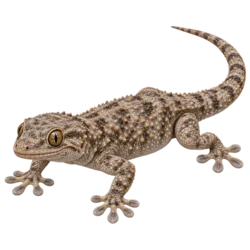
Common Wall GeckoE
The Moorish gecko hunts under riad lights and on medina walls in every Moroccan town from Tangier to Tiznit.
Catatan spotting: Near-guaranteed on warm nights.
Baca panduan spesies
European Bee-eaterD
Arrives in April and nests in sandy banks across the Gharb and Souss plains, calling in flocks over farmland and river valleys.
Catatan spotting: Common April to September.
Baca panduan spesies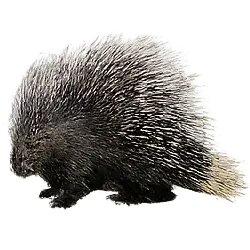
Crested PorcupineD
Leaves quills along Middle Atlas trails and raids vegetable gardens on the edge of mountain villages. Quills are sold in souks, which is a reason not to buy them.
Catatan spotting: Nocturnal; signs are common, sightings are rare.
Baca panduan spesies
Egyptian MongooseC
Slips across tracks in the Souss argan forest and the Merja Zerga reedbeds, usually in family lines with tails held low.
Catatan spotting: Uncommon but regular in the north-west and the Souss.
Baca panduan spesies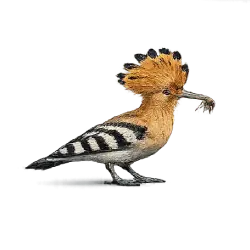
HoopoeD
Probes lawns and olive groves with its curved bill across the whole country and nests in walls and hollow trees in the Atlas foothills.
Catatan spotting: Common in spring; present year-round in the south.
Baca panduan spesiesPaling cocok untuk
Gunakan bagian ini untuk menilai apakah lokasi tersebut cocok dengan gaya perjalanan, level pengalaman, dan target AnimalDex kamu.
- Travellers combining Fes or Marrakech with the Middle Atlas cedars and the Merzouga dunes.
- Birders targeting the northern bald ibis at Souss-Massa and the Oualidia lagoon.
- Trekkers in Toubkal and the Dadès gorges looking for Barbary sheep and raptors.
- Families who like storks on city walls and geckos on riad ceilings.
Tips spotting
Tips ini dibuat agar halaman ini benar-benar berguna di lapangan, bukan hanya enak dibaca di layar.
- 01Visit the Azrou macaques early and keep food locked away; the troop is in better health where tourists do not feed it.
- 02At Souss-Massa, hire a park guide at the Oued Massa or Tamri entrance; the ibis feed on specific clifftop fields and move with the season.
- 03In Merzouga, walk out of camp at first light before the camel caravans and read the tracks on the dune faces.
- 04Do not buy chameleons, tortoises or porcupine quills in the souks; the trade is illegal and drives local declines.
Wildlife Guides virtual
Panduan satwa liar ke Morocco
AnimalDex membuat panduan virtual dari penampakan satwa liar milik para penjelajah sendiri: satwa apa yang mereka temukan, seberapa langka, dan kapan. Panduan adalah saran dari orang yang pernah ke sana, bukan tur. Membelinya membuka catatan penulis untuk setiap satwa, obrolan dengan penulis, dan perkenalan dengan warga lokal yang mereka temui. Penampakan satwa tidak pernah dijamin.
Memeriksa panduan virtual ke Morocco...
Cara memilih pemandu satwa liar lokal di Morocco
- Tanyakan apa yang biasanya mereka temukan pada musim kunjunganmu. Pemandu yang baik memberi jawaban jujur, bukan janji pasti melihat satwa tertentu.
- Perhatikan cara mereka memperlakukan satwa: tanpa umpan, tanpa memanggil satwa, tanpa memegang, dan tanpa flash dari jarak dekat demi foto.
- Pastikan titik temu, durasi, ukuran grup, total harga, dan cara pembayaran sebelum hari kegiatan, termasuk izin atau biaya taman yang diperlukan.
Lacak hewan yang kamu temukan di Morocco
Bangun koleksimu sambil menjelajahi Morocco, dari spesies yang mudah ditemukan sampai target yang layak direncanakan khusus.
Tier list terkait
Tier list ini memberi konteks yang lebih luas untuk spesies yang membuat lokasi ini menarik.
Rarest Animals in the World
A structured ranking of the rarest animals in the world, blending scarcity, vulnerability, and conservation pressure to answer the overlap between rarest and most endangered wildlife.
Baca tier list100 Most Adaptable Animals
Most adaptable animals ranked by habitat flexibility, behavioral range, and success in changing conditions — including the current AnimalDex number one.
Baca tier listLokasi terkait
Lanjutkan eksplorasi dengan destinasi yang mirip atau berdekatan dan mendukung gaya discovery AnimalDex yang sama.
Animals in Algeria: What You Can Spot, Learn, and Collect
Algeria wildlife guide: Barbary macaques in the Chréa cedars, flamingos at El Kala, fennec foxes in the Sahara and the wall geckos AnimalDex users log around Blida.
Baca panduan lokasiAnimals in Spain: What You Can Spot, Learn, and Collect
A practical Spain wildlife guide built around Mediterranean coasts, dry-country birds, wetlands, and the broad habitat mix that makes the country stronger than beach-only travel suggests.
Baca panduan lokasiAnimals in Egypt: What You Can Spot, Learn, and Collect
Egypt wildlife guide: dugongs and Napoleon wrasse on the Red Sea reefs, Sataya's spinner dolphins, Nubian ibex in Sinai, Fayoum flamingos and Nile kingfishers.
Baca panduan lokasiFAQ lokasi
Jawaban singkat dan langsung untuk pertanyaan yang biasanya ditanyakan traveler sebelum memilih destinasi satwa liar atau hari kebun binatang.
What wildlife is there in Morocco?
Barbary macaques in the Middle Atlas cedars, Barbary sheep in the High Atlas, northern bald ibis and flamingos on the Atlantic coast, white storks in the cities, and fennec foxes, dorcas gazelles and horned vipers in the Saharan dunes.
What animals can be found in Morocco?
Around 105 mammal species, over 450 bird species and a strong reptile fauna. The headline animals are the Barbary macaque, Barbary sheep, northern bald ibis, fennec fox and common chameleon, with storks, hoopoes, bee-eaters and geckos the everyday sightings.
Where can you see monkeys in Morocco?
The cedar forest around Azrou and Ifrane in the Middle Atlas, about an hour from Fes, has habituated troops of Barbary macaques along the road to the Cèdre Gouraud. Wild troops also live in the Rif mountains near Chefchaouen.
Are there dangerous animals in Morocco?
A few. Horned vipers and Moorish vipers live in the desert and mountains, scorpions are common in dry areas, and the medina monkeys and tame fennecs used for photos can bite. Watch where you step in the dunes and do not handle wildlife.
Bagaimana cara menemukan panduan satwa liar ke Morocco?
Lihat bagian Wildlife Guides di halaman ini atau jelajahi Wildlife Guides di AnimalDex. Setiap panduan adalah panduan virtual yang dibuat dari penampakan satwa liar milik seorang penjelajah di sekitar Morocco: satwa yang mereka temukan, seberapa langka, dan kapan. Ini saran dari orang yang pernah ke sana, bukan tur. Jika kamu ingin ditemani seseorang di lokasi, bandingkan pemandu lokal dari pengetahuan satwanya, cara mereka memperlakukan satwa, dan kejelasan harganya sebelum berangkat.