

Animals in Egypt: What You Can Spot, Learn, and Collect
Egypt wildlife guide: dugongs and Napoleon wrasse on the Red Sea reefs, Sataya's spinner dolphins, Nubian ibex in Sinai, Fayoum flamingos and Nile kingfishers.
Jawaban cepat
Mulai dari jawaban langsung, lalu gunakan bagian di bawah untuk melihat kenapa lokasi ini penting dan hewan mana yang benar-benar realistis untuk di-spot di sana.
Egypt's richest wildlife is underwater: Red Sea reefs at Marsa Alam, Hurghada and Sharm el-Sheikh hold dugongs, green turtles, Napoleon wrasse, lionfish, morays and spinner dolphins, with oceanic whitetips at the offshore islands. Inland, the Nile and the Fayoum lakes give you pied kingfishers, egrets and flamingos, while the Sinai mountains hold Nubian ibex, rock hyrax and fennec country starts at the desert edge.
Egypt is a desert with a river through it and a reef along its side. Nearly every land animal lives within a few kilometres of the Nile or an oasis, which means a felucca ride at Aswan or a walk through Luxor's farmland produces more birds than most people expect: pied kingfishers hovering over the water, cattle egrets following the plough, hoopoes on the lawns.
The Red Sea is the other Egypt. Marsa Alam's Abu Dabbab bay has resident dugongs, Sataya reef has a resting pod of spinner dolphins, and Ras Mohammed off Sharm is one of the most famous dive parks in the world. Wadi El Rayan and Lake Qarun in the Fayoum add flamingos and migrating waders within a day trip of Cairo.
Kenapa lokasi ini penting
Halaman lokasi yang baik menjelaskan kenapa tempat ini layak dikunjungi, bukan hanya nama-nama yang cocok dimasukkan ke checklist destinasi.
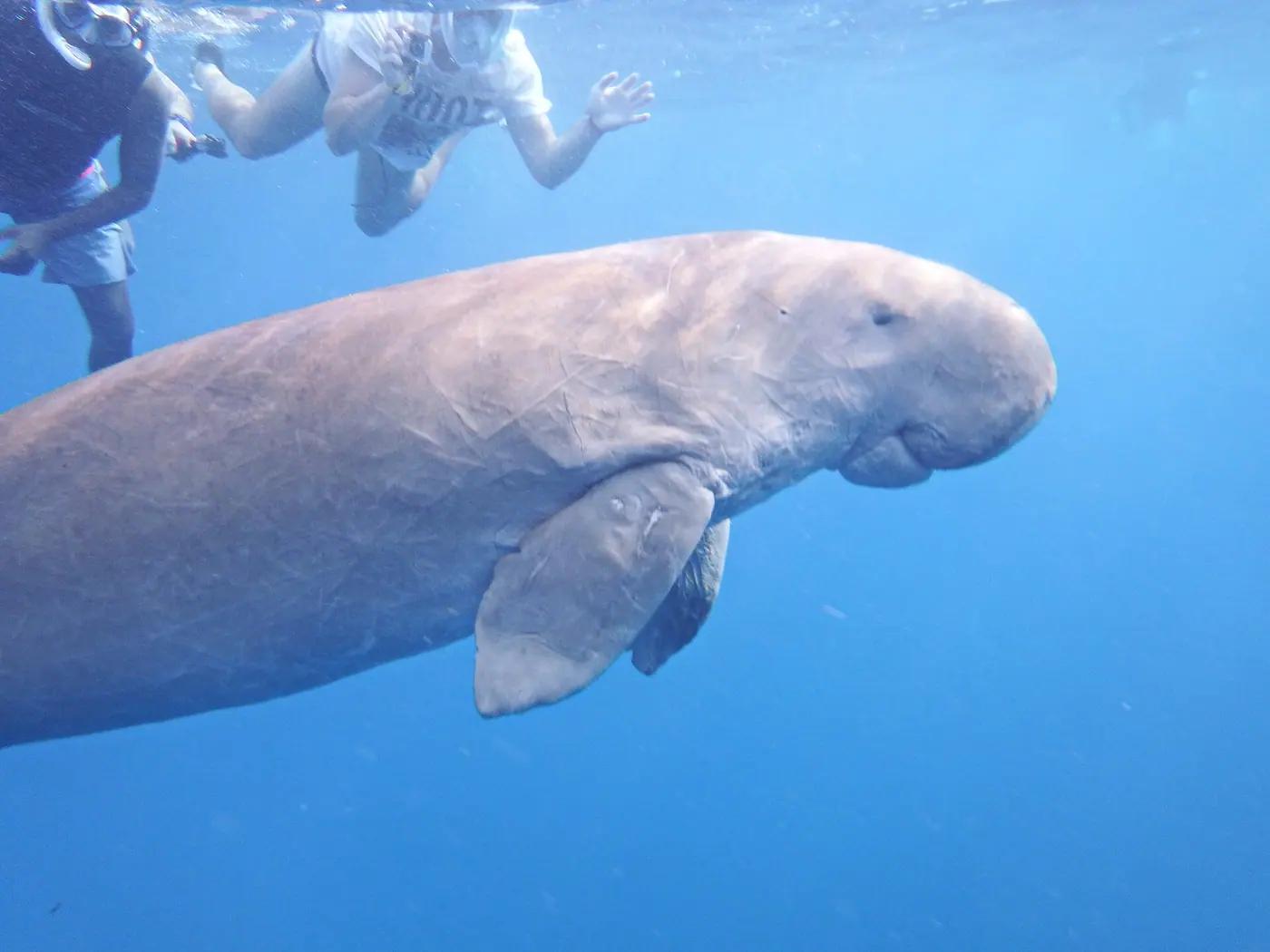
The northern Red Sea is one of the few reef systems still in good shape, and Egypt's dugongs are among the most accessible anywhere. A snorkeller at Abu Dabbab can watch one graze the seagrass in three metres of water.
Egypt's animals are also woven into its history. The ibis, baboon, falcon, cobra and cat on temple walls were real residents of the Nile valley, and seeing a sacred ibis cousin or a hooded cobra sign today connects the two.
Tempat mencari
Peta satwa liar Egypt
Panduan ini mencakup wilayah di bawah ini. Perbesar peta untuk mengenali areanya sebelum merencanakan perjalanan.
Posisi diambil dari OpenStreetMap. Akses habitat dan jam buka bisa berubah — periksa dulu sebelum berangkat.
Hewan untuk di-spot
Pilihan spesies di sini sengaja dibuat praktis, menyeimbangkan aksesibilitas, excitement, dan apa yang realistis untuk diperhatikan traveler di lokasi tersebut.
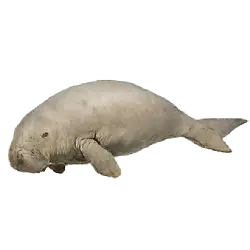
DugongC
A few individuals graze the seagrass bay at Abu Dabbab near Marsa Alam and are seen by snorkellers from the beach; Marsa Mubarak holds others.
Catatan spotting: Regular at Abu Dabbab in the morning; keep your distance and never chase them.
Baca panduan spesies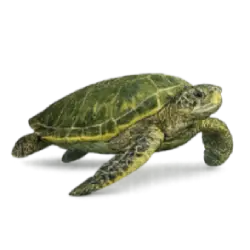
Green Sea TurtleC
Grazes alongside the dugongs at Abu Dabbab and Marsa Mubarak and rests under coral ledges at Ras Mohammed.
Catatan spotting: Near-certain for snorkellers at Abu Dabbab.
Baca panduan spesies
Spinner DolphinA
A pod rests inside the Sataya (Dolphin House) lagoon south of Marsa Alam by day and another uses Samadai reef, where access is managed.
Catatan spotting: Reliable on day boats to Sataya; follow the no-chase rules.
Baca panduan spesies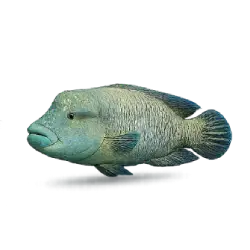
Napoleon WrasseB
Big humphead wrasse patrol the walls of Ras Mohammed, the Thistlegorm wreck and the Brothers, often following divers.
Catatan spotting: Regular on the famous dive sites of Sharm and the offshore islands.
Baca panduan spesies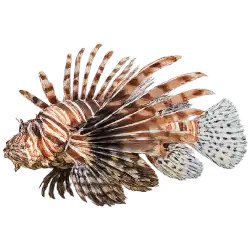
LionfishD
Hangs under overhangs on every Red Sea reef from Dahab's Blue Hole to Hurghada's house reefs, fins spread, waiting for small fish.
Catatan spotting: Very common; look but do not touch the venomous spines.
Baca panduan spesies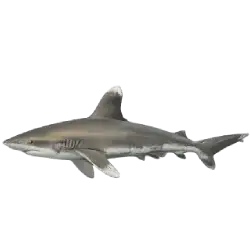
Oceanic Whitetip SharkA
Cruises the surface at the Brothers, Daedalus and Elphinstone in autumn, where liveaboard divers watch it circle the boats.
Catatan spotting: Seasonal, October to December at the offshore reefs; rare near shore.
Baca panduan spesies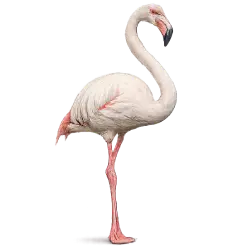
Greater FlamingoC
Feeds on the salt lakes of Wadi El Rayan and Lake Qarun in the Fayoum and on the Mediterranean lagoons at Lake Burullus.
Catatan spotting: Common in winter in the Fayoum and the Delta lakes.
Baca panduan spesies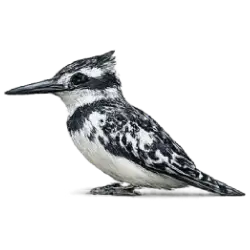
Pied KingfisherD
Hovers over the Nile at Aswan and Luxor and perches on felucca masts, diving for fish right beside the boats.
Catatan spotting: Abundant on the Nile year-round.
Baca panduan spesies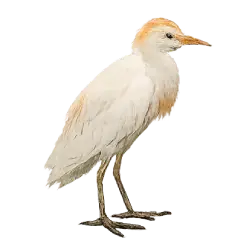
Cattle EgretD
The 'friend of the farmer' follows ploughs through Nile valley fields and roosts in thousands in city trees, including Cairo's zoo garden.
Catatan spotting: Abundant everywhere there is farmland.
Baca panduan spesies
Nubian IbexC
Lives on the granite of the St Katherine Protectorate in South Sinai and the cliffs of the Eastern Desert wadis near Wadi Gemal.
Catatan spotting: Uncommon; a Bedouin guide at St Katherine or Wadi Gemal gives the best chance.
Baca panduan spesies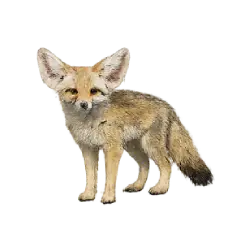
Fennec FoxC
Hunts the sand seas of the Western Desert around Siwa and the Great Sand Sea, and the Sinai dunes near Nuweiba, after dark.
Catatan spotting: Nocturnal and rarely seen; tracks around dune bases are the usual record.
Baca panduan spesies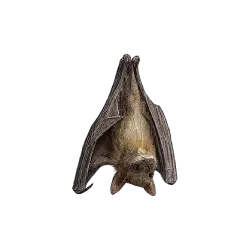
Egyptian Fruit BatD
Roosts in tombs, temples and old buildings along the Nile and streams out at dusk over Luxor and Cairo to feed on figs and dates.
Catatan spotting: Common at dusk near fruit trees and ancient sites.
Baca panduan spesies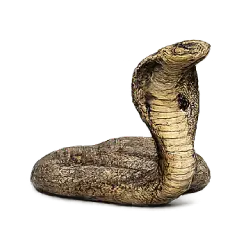
Egyptian CobraB
The cobra of the pharaohs' crowns still lives in Nile valley farmland and the Delta, hunting rodents at the edge of fields at night.
Catatan spotting: Rarely seen; give any snake a wide berth.
Baca panduan spesies
Ornate Spiny-tailed LizardD
The ornate mastigure, a blue, green and yellow spiny-tailed lizard, basks on granite boulders in the wadis around St Katherine and Dahab and in the Eastern Desert near Wadi Gemal.
Catatan spotting: Regular on sunny rock in South Sinai from spring to autumn; the blue Sinai agama shares the same boulders.
Baca panduan spesiesPaling cocok untuk
Gunakan bagian ini untuk menilai apakah lokasi tersebut cocok dengan gaya perjalanan, level pengalaman, dan target AnimalDex kamu.
- Snorkellers and divers using Marsa Alam, Hurghada, Dahab or Sharm el-Sheikh as a base.
- Nile cruise passengers who want to add kingfishers, egrets and bats to the temples.
- Day-trippers from Cairo heading to the Fayoum lakes and Wadi El Rayan waterfalls.
- Hikers in the St Katherine mountains with a Bedouin guide.
Tips spotting
Tips ini dibuat agar halaman ini benar-benar berguna di lapangan, bukan hanya enak dibaca di layar.
- 01At Abu Dabbab, enter from the beach early before the day boats arrive; the dugong and turtles feed on the seagrass in the middle of the bay.
- 02On the Nile, sit on the shaded side of the felucca and watch the papyrus edges and sandbanks for kingfishers, herons and the occasional Nile monitor.
- 03Dolphin trips to Sataya are better from Hamata than from Marsa Alam, and operators that follow the no-swim-at rules get calmer, longer encounters.
- 04Giza Zoo in Cairo is a place to see hippos and big cats up close, but log them as zoo sightings; the wild hippo left Egypt in the 1800s.
Wildlife Guides virtual
Panduan satwa liar ke Egypt
AnimalDex membuat panduan virtual dari penampakan satwa liar milik para penjelajah sendiri: satwa apa yang mereka temukan, seberapa langka, dan kapan. Panduan adalah saran dari orang yang pernah ke sana, bukan tur. Membelinya membuka catatan penulis untuk setiap satwa, obrolan dengan penulis, dan perkenalan dengan warga lokal yang mereka temui. Penampakan satwa tidak pernah dijamin.
Memeriksa panduan virtual ke Egypt...
Cara memilih pemandu satwa liar lokal di Egypt
- Tanyakan apa yang biasanya mereka temukan pada musim kunjunganmu. Pemandu yang baik memberi jawaban jujur, bukan janji pasti melihat satwa tertentu.
- Perhatikan cara mereka memperlakukan satwa: tanpa umpan, tanpa memanggil satwa, tanpa memegang, dan tanpa flash dari jarak dekat demi foto.
- Pastikan titik temu, durasi, ukuran grup, total harga, dan cara pembayaran sebelum hari kegiatan, termasuk izin atau biaya taman yang diperlukan.
Lacak hewan yang kamu temukan di Egypt
Bangun koleksimu sambil menjelajahi Egypt, dari spesies yang mudah ditemukan sampai target yang layak direncanakan khusus.
Tier list terkait
Tier list ini memberi konteks yang lebih luas untuk spesies yang membuat lokasi ini menarik.
Most Sacred Animals in History
A structured ranking of the most sacred animals in history, balancing long-term worship, ritual symbolism, divine association, and cultural persistence across civilizations.
Baca tier list100 Most Dangerous Animals in the World
Dangerous animals list ranking 100 species by lethal capability, aggression, and encounter risk — not a jump-scare trivia page and not a disease-vector list.
Baca tier listLokasi terkait
Lanjutkan eksplorasi dengan destinasi yang mirip atau berdekatan dan mendukung gaya discovery AnimalDex yang sama.
Animals in Jordan: What You Can Spot, Learn, and Collect
Jordan wildlife guide: Nubian ibex and hyraxes in Dana, Arabian oryx and onagers at Shaumari, Azraq wetland flamingos and storks, Aqaba's Red Sea reef and Wadi Rum.
Baca panduan lokasiAnimals in Saudi Arabia: What You Can Spot, Learn, and Collect
Saudi Arabia wildlife guide: Arabian oryx at AlUla, hamadryas baboons in the Asir highlands, Red Sea whale sharks, Farasan gazelles, dugongs and Gulf flamingos.
Baca panduan lokasiAnimals in Israel: What You Can Spot, Learn, and Collect
A practical Israel wildlife guide built around migration routes, coasts, wetlands, and the compact habitat variety that gives the country strong observation value.
Baca panduan lokasiFAQ lokasi
Jawaban singkat dan langsung untuk pertanyaan yang biasanya ditanyakan traveler sebelum memilih destinasi satwa liar atau hari kebun binatang.
What wildlife is there in Egypt?
Red Sea reef life including dugongs, turtles, dolphins, wrasse and sharks; Nile birds such as pied kingfishers, egrets and herons; flamingos and waders on the Fayoum and Delta lakes; and desert and mountain animals including Nubian ibex, fennec fox, Egyptian cobra and Sinai agama.
What animals can be found in Egypt?
Around 100 mammal species, more than 470 bird species and some 1,200 Red Sea fish species. Realistic sightings are reef fish and turtles on the coast, kingfishers and egrets along the Nile, fruit bats at dusk, and ibex and hyrax in Sinai with a guide.
Are there crocodiles in the Nile in Egypt?
Only above the Aswan High Dam in Lake Nasser. The river north of Aswan, where the cruise boats run, has had no wild crocodiles for over a century. Nubian villages near Aswan keep small captive ones for tourists.
Where is the best snorkelling for wildlife in Egypt?
Abu Dabbab near Marsa Alam for dugongs and turtles, Sataya for dolphins, Ras Mohammed at Sharm for big fish and walls, and the Dahab reefs for lionfish and morays in shallow water.
Bagaimana cara menemukan panduan satwa liar ke Egypt?
Lihat bagian Wildlife Guides di halaman ini atau jelajahi Wildlife Guides di AnimalDex. Setiap panduan adalah panduan virtual yang dibuat dari penampakan satwa liar milik seorang penjelajah di sekitar Egypt: satwa yang mereka temukan, seberapa langka, dan kapan. Ini saran dari orang yang pernah ke sana, bukan tur. Jika kamu ingin ditemani seseorang di lokasi, bandingkan pemandu lokal dari pengetahuan satwanya, cara mereka memperlakukan satwa, dan kejelasan harganya sebelum berangkat.