

Animals in Sumba: What You Can Spot, Learn, and Collect
Sumba wildlife guide: endemic birds and the citron-crested cockatoo at Manupeu Tanah Daru, savanna rusa deer and buffalo, sea turtles and reef sharks on the coast.
Jawaban cepat
Mulai dari jawaban langsung, lalu gunakan bagian di bawah untuk melihat kenapa lokasi ini penting dan hewan mana yang benar-benar realistis untuk di-spot di sana.
Sumba is a dry savanna island with its own birds: the Sumba hornbill, Sumba boobook, Sumba green pigeon and the citron-crested form of the yellow-crested cockatoo all live in the forest patches of Manupeu Tanah Daru and Laiwangi Wanggameti national parks. The grasslands have rusa deer, wild boar and semi-wild horses, the coast has sea turtles nesting and reef sharks, and the villages have macaques, monitors, zebra finches and swiftlets.
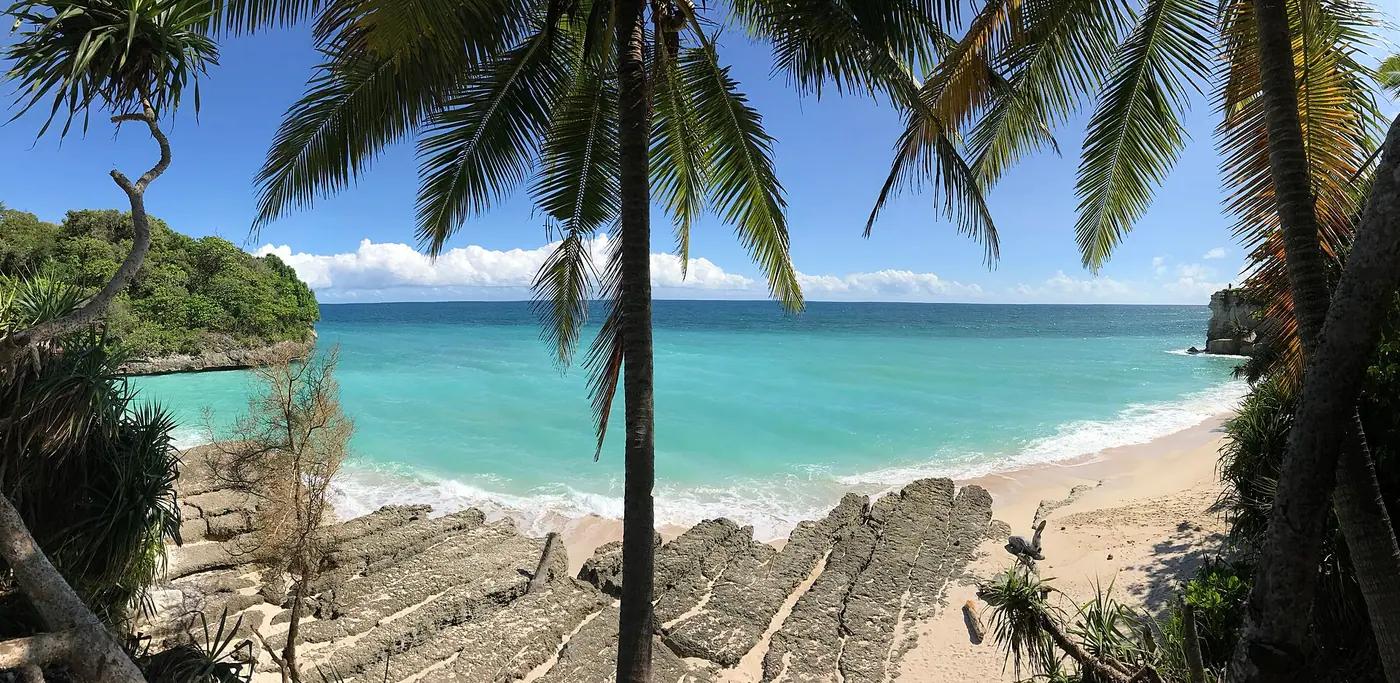
Sumba sits south of Flores and feels closer to northern Australia than to Bali: brown hills, stone-tomb villages, horse culture and empty surf beaches. Tambolaka in the west and Waingapu in the east are the airports.
The two national parks protect the last big forest blocks. Manupeu Tanah Daru, an hour from Waikabubak, has the Lapopu and Matayangu waterfalls and most of the endemic birds; Laiwangi Wanggameti in the south-east is higher and wetter.
Kenapa lokasi ini penting
Halaman lokasi yang baik menjelaskan kenapa tempat ini layak dikunjungi, bukan hanya nama-nama yang cocok dimasukkan ke checklist destinasi.
Sumba's seven endemic bird species depend on forest that covers less than 10 percent of the island, and the citron-crested cockatoo has been reduced to a small, fragmented population after decades of trapping.
Community conservation around Manupeu Tanah Daru pays villages to protect hornbill nest trees, and visitor birding is part of the income.
Tempat mencari
Peta satwa liar Sumba
Panduan ini mencakup wilayah di bawah ini. Perbesar peta untuk mengenali areanya sebelum merencanakan perjalanan.
Posisi diambil dari OpenStreetMap. Akses habitat dan jam buka bisa berubah — periksa dulu sebelum berangkat.
Hewan untuk di-spot
Pilihan spesies di sini sengaja dibuat praktis, menyeimbangkan aksesibilitas, excitement, dan apa yang realistis untuk diperhatikan traveler di lokasi tersebut.
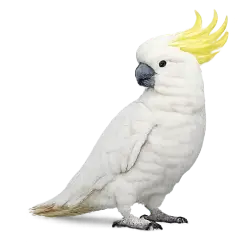
Sulphur-crested CockatooC
Sumba's citron-crested cockatoo, filed in AnimalDex under its larger sulphur-crested cousin, feeds in the forest canopy of Manupeu Tanah Daru and roosts in tall trees near Lapopu waterfall.
Catatan spotting: Rare and Critically Endangered; Manupeu Tanah Daru is the only realistic site.
Baca panduan spesies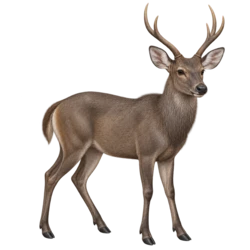
Javan Rusa DeerC
Rusa deer graze the open savanna of eastern Sumba around Waingapu and the Wanggameti foothills at dawn.
Catatan spotting: Fairly common in the east; hunted, so wary.
Baca panduan spesies
Wild BoarB
Pigs are the main game of Sumbanese horseback hunts and root through the savanna and forest edge everywhere.
Catatan spotting: Common but shy.
Baca panduan spesies
Long-tailed MacaqueC
Troops live in the gallery forest along Sumba's rivers and raid gardens near Waikabubak.
Catatan spotting: Common near forested valleys.
Baca panduan spesies
Water BuffaloC
Buffalo are Sumba's wealth, wallowing in every village pond and grazing the savanna in herds that are the closest thing to wild.
Catatan spotting: Guaranteed across the island.
Baca panduan spesies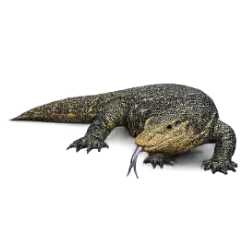
Water MonitorC
Monitors patrol the river pools below Lapopu waterfall and the mangroves of the north coast.
Catatan spotting: Common near water.
Baca panduan spesies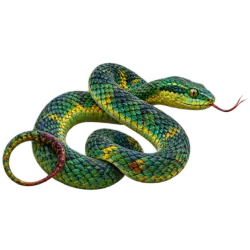
Sundas Pit ViperC
Green pit vipers hang in shrubs along the Manupeu Tanah Daru trails and village hedges after dark.
Catatan spotting: Uncommon; a careful night walk.
Baca panduan spesies Saltwater CrocodileA
Crocodiles live in the estuaries of eastern and southern Sumba; locals avoid swimming at river mouths for good reason.
Catatan spotting: Occasional in east-coast estuaries.
Baca panduan spesies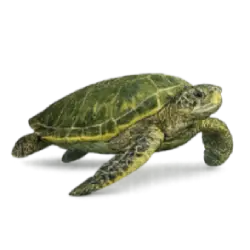
Green Sea TurtleC
Green turtles nest on the quiet south-coast beaches near Nihiwatu and feed on the reef flats off Tarimbang.
Catatan spotting: Regular on reef snorkels; nesting in the wet season.
Baca panduan spesies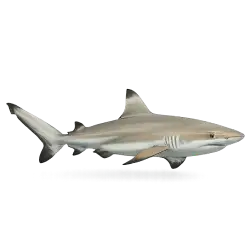
Blacktip Reef SharkC
Small sharks hunt the lagoon flats at Walakiri and the reef edge off Mandorak at high tide.
Catatan spotting: Common in shallow lagoons.
Baca panduan spesies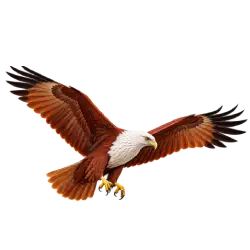
Brahminy KiteD
Kites patrol the Waingapu harbour and the fishing villages of the north coast.
Catatan spotting: Guaranteed on the coast.
Baca panduan spesies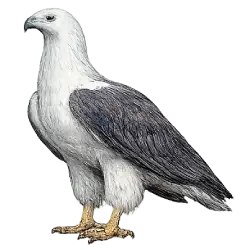
White-bellied Sea EagleB
Sea eagles nest on the cliffs of the south coast and fish the bays at Tarimbang and Nihiwatu.
Catatan spotting: Regular along the south coast.
Baca panduan spesies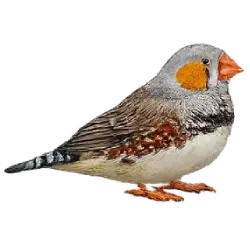
Zebra FinchD
Wild zebra finches flock in the dry grass of eastern Sumba, the native setting for the world's most familiar cage finch.
Catatan spotting: Common in the savanna around Waingapu.
Baca panduan spesies
Edible-nest SwiftletD
Swiftlets nest in the limestone caves of western Sumba and in the nest-houses of Waingapu's outskirts.
Catatan spotting: Common at dusk.
Baca panduan spesiesPaling cocok untuk
Gunakan bagian ini untuk menilai apakah lokasi tersebut cocok dengan gaya perjalanan, level pengalaman, dan target AnimalDex kamu.
- Endemic birding at Manupeu Tanah Daru
- Savanna deer, buffalo and horses in eastern Sumba
- Turtle and reef snorkelling on the south coast
- Waterfall walks with monitors and macaques
Tips spotting
Tips ini dibuat agar halaman ini benar-benar berguna di lapangan, bukan hanya enak dibaca di layar.
- 01Hire a guide from the Manupeu Tanah Daru office at Waikabubak; the cockatoo roost trees change and only the rangers know this year's.
- 02Birding is best at dawn in the dry season (May to October) when forest birds concentrate at fruiting figs and waterholes.
- 03Walakiri mangrove beach at sunset gives reef sharks in the shallows and kites and herons overhead.
- 04Ask before swimming at any river mouth on the east coast; crocodiles are a real presence.
Wildlife Guides virtual
Panduan satwa liar ke Sumba
AnimalDex membuat panduan virtual dari penampakan satwa liar milik para penjelajah sendiri: satwa apa yang mereka temukan, seberapa langka, dan kapan. Panduan adalah saran dari orang yang pernah ke sana, bukan tur. Membelinya membuka catatan penulis untuk setiap satwa, obrolan dengan penulis, dan perkenalan dengan warga lokal yang mereka temui. Penampakan satwa tidak pernah dijamin.
Memeriksa panduan virtual ke Sumba...
Cara memilih pemandu satwa liar lokal di Sumba
- Tanyakan apa yang biasanya mereka temukan pada musim kunjunganmu. Pemandu yang baik memberi jawaban jujur, bukan janji pasti melihat satwa tertentu.
- Perhatikan cara mereka memperlakukan satwa: tanpa umpan, tanpa memanggil satwa, tanpa memegang, dan tanpa flash dari jarak dekat demi foto.
- Pastikan titik temu, durasi, ukuran grup, total harga, dan cara pembayaran sebelum hari kegiatan, termasuk izin atau biaya taman yang diperlukan.
Lacak hewan yang kamu temukan di Sumba
Bangun koleksimu sambil menjelajahi Sumba, dari spesies yang mudah ditemukan sampai target yang layak direncanakan khusus.
Lokasi terkait
Lanjutkan eksplorasi dengan destinasi yang mirip atau berdekatan dan mendukung gaya discovery AnimalDex yang sama.
Animals in East Nusa Tenggara: What You Can Spot, Learn, and Collect
East Nusa Tenggara wildlife guide: Komodo dragons, Timor deer, Kupang Bay crocodiles, Savu Sea sperm and blue whales, Alor dugongs, lorikeets and swiftlets.
Baca panduan lokasiAnimals in Flores: What You Can Spot, Learn, and Collect
Flores wildlife guide: wild Komodo dragons at Wae Wuul, Riung flying foxes, Flores hawk-eagles over Kelimutu, rusa deer, macaques and pit vipers along the road.
Baca panduan lokasiAnimals in Komodo National Park: What You Can Realistically Spot
A structured guide to Komodo National Park focused on what visitors can realistically spot, from Komodo dragons and marine life to smaller species that reward patient observation.
Baca panduan lokasiFAQ lokasi
Jawaban singkat dan langsung untuk pertanyaan yang biasanya ditanyakan traveler sebelum memilih destinasi satwa liar atau hari kebun binatang.
What wildlife is there in Sumba?
Sumba has seven endemic birds including the Sumba hornbill and Sumba boobook, plus the citron-crested cockatoo, in its two national parks. The savanna holds rusa deer, wild boar, buffalo and horses, and the coast has sea turtles, reef sharks, sea eagles and crocodiles in some estuaries.
What animals can be found in Sumba?
Everyday animals are long-tailed macaques, water monitors, buffalo, brahminy kites, zebra finches and swiftlets. The rarer prizes are the forest birds of Manupeu Tanah Daru and nesting green turtles on the south coast.
Where is the best place to see birds in Sumba?
Manupeu Tanah Daru National Park near Waikabubak, particularly the forest around Lapopu and Matayangu waterfalls, holds most of the endemics and the cockatoo roosts. Go with a park ranger at dawn.
Is it safe to swim in Sumba?
Surf beaches on the south and west coasts are fine for swimming and snorkelling in calm conditions. Avoid river mouths and mangrove estuaries, especially in the east, where saltwater crocodiles occur.
Bagaimana cara menemukan panduan satwa liar ke Sumba?
Lihat bagian Wildlife Guides di halaman ini atau jelajahi Wildlife Guides di AnimalDex. Setiap panduan adalah panduan virtual yang dibuat dari penampakan satwa liar milik seorang penjelajah di sekitar Sumba: satwa yang mereka temukan, seberapa langka, dan kapan. Ini saran dari orang yang pernah ke sana, bukan tur. Jika kamu ingin ditemani seseorang di lokasi, bandingkan pemandu lokal dari pengetahuan satwanya, cara mereka memperlakukan satwa, dan kejelasan harganya sebelum berangkat.