

Animals in the Yucatán Peninsula: What You Can Spot, Learn, and Collect
Yucatán Peninsula wildlife guide: whale sharks at Holbox, Celestún flamingos, spider monkeys at Punta Laguna, Sian Ka'an crocodiles and manatees, Calakmul jaguars, coatis and motmots at the ruins.
Jawaban cepat
Mulai dari jawaban langsung, lalu gunakan bagian di bawah untuk melihat kenapa lokasi ini penting dan hewan mana yang benar-benar realistis untuk di-spot di sana.
The Yucatán Peninsula packs whale sharks off Isla Holbox from June to September, spider monkeys at Punta Laguna, coatis and spiny-tailed iguanas on the ruins at Tulum and Cobá, crocodiles and manatees in Sian Ka'an, and pink flamingos at Celestún and Río Lagartos. The deep forest of Calakmul holds jaguars, toucans and agoutis, and every cenote has motmots calling from the rim.
Three Mexican states, Yucatán, Quintana Roo and Campeche, share a limestone shelf with no rivers, so the water runs underground and surfaces in cenotes. That geology shapes the wildlife: motmots nest in the sinkhole walls, bats pour out of the caves at dusk, and the coast's lagoons concentrate crocodiles, manatees and flamingos.
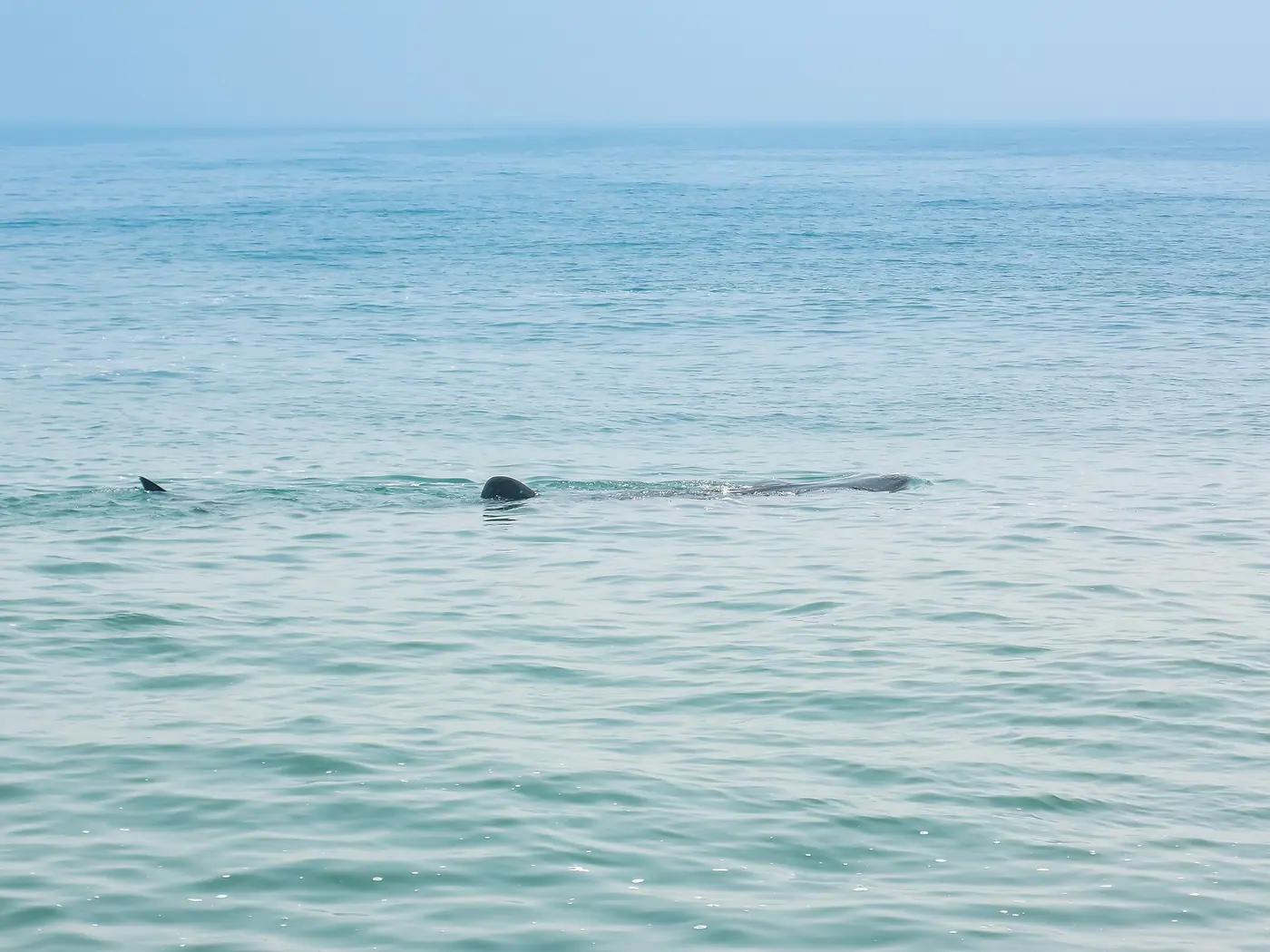
Offshore, the plankton bloom off Isla Holbox and Isla Contoy draws the largest known whale shark aggregation on earth each summer, with hundreds of animals feeding at the surface alongside manta rays.
Mulai dari hewan ini
Kenapa lokasi ini penting
Halaman lokasi yang baik menjelaskan kenapa tempat ini layak dikunjungi, bukan hanya nama-nama yang cocok dimasukkan ke checklist destinasi.
Calakmul Biosphere Reserve and the neighbouring forests of Campeche and Quintana Roo hold Mexico's largest jaguar population, and the Maya Train's wildlife crossings have made the peninsula's jaguars a national conservation debate.
The peninsula is also where many visitors meet their first wild primate, tropical bird or crocodile. The AnimalDex captures from Quintana Roo so far, iguanas, grackles, egrets and doves, show how much of that wildlife starts in a hotel garden.
Tempat mencari
Peta satwa liar Yucatán Peninsula
Panduan ini mencakup wilayah di bawah ini. Perbesar peta untuk mengenali areanya sebelum merencanakan perjalanan.
Posisi diambil dari OpenStreetMap. Akses habitat dan jam buka bisa berubah — periksa dulu sebelum berangkat. Pin yang lebih kecil adalah capture publik AnimalDex, ditempatkan sampai kilometer terdekat.
Bukti lapangan
Ditemukan di Yucatán Peninsula oleh pengguna AnimalDex
Capture nyata yang dicatat di aplikasi AnimalDex di dalam area ini dan dibagikan secara publik oleh kolektornya, dengan hewan yang dikonfirmasi oleh identifikasi aplikasi. Lokasi ditampilkan sampai tingkat wilayah, bukan titik persisnya.
- 4
- capture publik
- 4
- spesies tercatat
- 2
- kolektor
- 4
- penampakan liar
Capture terbaru dari lapangan
Spesies yang benar-benar dicatat orang di sini
Setiap nama menuju panduan spesiesnya. Angkanya adalah jumlah capture publik hewan itu di dalam area ini.
Kolektor memilih membagikan capture ini di Discover dan bisa menariknya kapan saja. Koordinat dibulatkan sekitar satu kilometer dan diperbarui setiap build situs.
Hewan untuk di-spot
Pilihan spesies di sini sengaja dibuat praktis, menyeimbangkan aksesibilitas, excitement, dan apa yang realistis untuk diperhatikan traveler di lokasi tersebut.
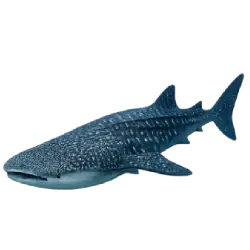
Whale SharkA
Hundreds gather to feed on plankton off Isla Holbox, Isla Contoy and Isla Mujeres from June to mid-September, the largest aggregation known anywhere.
Catatan spotting: Near-guaranteed on licensed snorkel trips in July and August; the season is strictly June to September.
Baca panduan spesies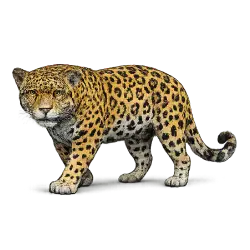
JaguarA
Calakmul Biosphere Reserve in Campeche and the Sian Ka'an forests hold Mexico's biggest jaguar population, with camera traps on nearly every trail.
Catatan spotting: Rare; dawn drives on the 60-kilometre Calakmul access road give a slim chance, tracks are common.
Baca panduan spesies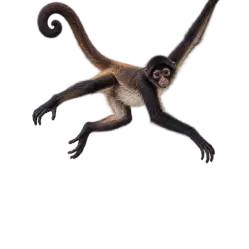
Spider MonkeyB
Punta Laguna near Cobá is a community reserve where troops of Geoffroy's spider monkeys swing through the canopy over the lagoon, and Calakmul's ruins have them overhead.
Catatan spotting: Near-guaranteed at Punta Laguna with a local guide, best in the early morning.
Baca panduan spesies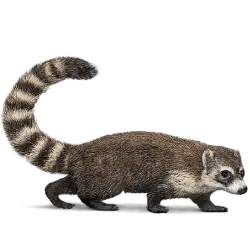
White-nosed CoatiC
Troops of coatis patrol the ruins of Tulum, Cobá and Chichén Itzá, raiding bins and begging in the car parks.
Catatan spotting: Common at the major archaeological sites, especially mid-morning.
Baca panduan spesies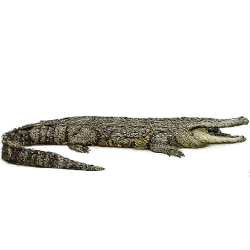
American CrocodileA
Basks on the banks of the Río Lagartos and Celestún estuaries, Sian Ka'an's Muyil lagoon and the Nichupté lagoon behind Cancún's hotel zone.
Catatan spotting: Likely on any Río Lagartos or Sian Ka'an boat tour; the Cancún lagoon has warning signs for a reason.
Baca panduan spesies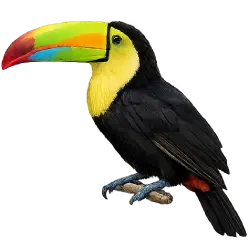
Keel-billed ToucanC
Croaks like a frog from the tall forest around the Calakmul ruins and the Bacalar lagoon in southern Quintana Roo.
Catatan spotting: Regular at Calakmul and Bacalar; rare in the drier northern peninsula.
Baca panduan spesies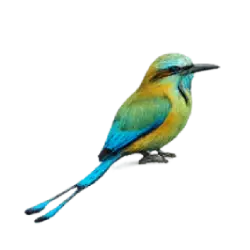
Turquoise-browed MotmotD
The Yucatán's toh bird, with racket-tipped tail feathers, nests in cenote walls and perches on the ruins at Uxmal and Dzibilchaltún.
Catatan spotting: Common at cenotes and ruins across the peninsula; listen for the soft hoot.
Baca panduan spesies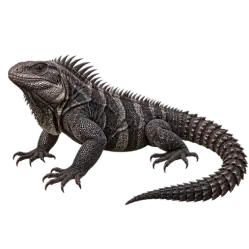
Black Spiny-tailed IguanaD
Sprawls on every stone wall of the Tulum ruins and most hotel pool decks on the Riviera Maya, and is logged in Quintana Roo in AnimalDex.
Catatan spotting: Guaranteed at Tulum and on the coast; midday is best.
Baca panduan spesies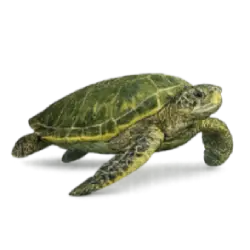
Green Sea TurtleC
Grazes the seagrass in Akumal Bay within metres of snorkellers and nests on the beaches of Xcacel and Tulum from May to October.
Catatan spotting: Near-guaranteed at Akumal under the managed snorkel rules; nesting walks in summer.
Baca panduan spesies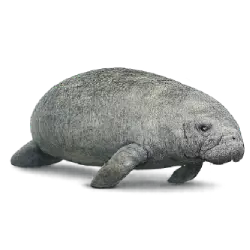
ManateeC
Antillean manatees graze the Chetumal Bay sanctuary and Sian Ka'an's lagoons, where the community of Punta Allen runs boat tours.
Catatan spotting: Uncommon; Chetumal Bay tours from Calderitas offer the best odds.
Baca panduan spesies
Spotted Eagle RayB
Glides along the walls and sand flats of Cozumel's reefs and the shallow bay at Akumal, often in small groups in winter.
Catatan spotting: Likely on Cozumel dives from December to March; occasional from the surface at Akumal.
Baca panduan spesies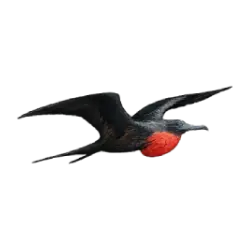
Magnificent FrigatebirdC
Hangs over the Holbox ferry, Isla Contoy and every fishing harbour, and the males inflate scarlet throats at the Contoy colony.
Catatan spotting: Guaranteed along the entire coast.
Baca panduan spesies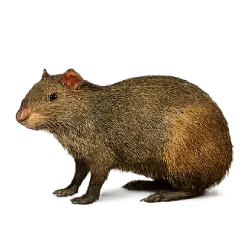
Central American AgoutiD
A rabbit-sized rodent that trots across the Calakmul and Cobá trails at dawn and dusk, dropping seeds as it goes.
Catatan spotting: Common at Calakmul and Cobá in the early morning.
Baca panduan spesies
Great-tailed GrackleD
The loud black bird of every plaza in Mérida, Valladolid and Playa del Carmen, and one of the first Quintana Roo captures in AnimalDex.
Catatan spotting: Guaranteed in any town.
Baca panduan spesiesPaling cocok untuk
Gunakan bagian ini untuk menilai apakah lokasi tersebut cocok dengan gaya perjalanan, level pengalaman, dan target AnimalDex kamu.
- Whale sharks and mantas off Holbox and Isla Mujeres
- Spider monkeys, coatis and motmots at the ruins and cenotes
- Crocodiles, flamingos and manatees in the coastal lagoons
- Deep-forest wildlife at Calakmul
Tips spotting
Tips ini dibuat agar halaman ini benar-benar berguna di lapangan, bukan hanya enak dibaca di layar.
- 01Book whale shark trips with a licensed operator in Holbox, Cancún or Isla Mujeres between mid-June and early September; snorkel only, no touching, and the boats rotate to limit pressure.
- 02Go to Punta Laguna at opening (around 8 am) with a community guide; the spider monkeys feed in the canopy over the first kilometre of trail before the heat.
- 03Celestún and Río Lagartos flamingo and crocodile tours run from the village boat cooperatives; Celestún is best from November to March and Río Lagartos from April to October.
- 04For Calakmul, stay in Xpujil or the Conhuas cabins and drive the access road at first light; agoutis, toucans and turkeys are common and this is the only realistic jaguar window.
Wildlife Guides virtual
Panduan satwa liar ke Yucatán Peninsula
AnimalDex membuat panduan virtual dari penampakan satwa liar milik para penjelajah sendiri: satwa apa yang mereka temukan, seberapa langka, dan kapan. Panduan adalah saran dari orang yang pernah ke sana, bukan tur. Membelinya membuka catatan penulis untuk setiap satwa, obrolan dengan penulis, dan perkenalan dengan warga lokal yang mereka temui. Penampakan satwa tidak pernah dijamin.
Memeriksa panduan virtual ke Yucatán Peninsula...
Cara memilih pemandu satwa liar lokal di Yucatán Peninsula
- Tanyakan apa yang biasanya mereka temukan pada musim kunjunganmu. Pemandu yang baik memberi jawaban jujur, bukan janji pasti melihat satwa tertentu.
- Perhatikan cara mereka memperlakukan satwa: tanpa umpan, tanpa memanggil satwa, tanpa memegang, dan tanpa flash dari jarak dekat demi foto.
- Pastikan titik temu, durasi, ukuran grup, total harga, dan cara pembayaran sebelum hari kegiatan, termasuk izin atau biaya taman yang diperlukan.
Lacak hewan yang kamu temukan di Yucatán Peninsula
Bangun koleksimu sambil menjelajahi Yucatán Peninsula, dari spesies yang mudah ditemukan sampai target yang layak direncanakan khusus.
Tier list terkait
Tier list ini memberi konteks yang lebih luas untuk spesies yang membuat lokasi ini menarik.
Biggest Animals in the World
A structured ranking of the biggest animals in the world, using the AnimalDex size stat to compare body scale across sea, land, and air.
Baca tier listLokasi terkait
Lanjutkan eksplorasi dengan destinasi yang mirip atau berdekatan dan mendukung gaya discovery AnimalDex yang sama.
Animals in Mexico: What You Can Spot, Learn, and Collect
A practical Mexico wildlife guide built around wetlands, coasts, colorful birds, and the species that make the country strong for flexible animal discovery.
Baca panduan lokasiAnimals in Jalisco: What You Can Spot, Learn, and Collect
Jalisco wildlife guide: humpback whales in Banderas Bay, olive ridley turtle releases in Puerto Vallarta, Marietas boobies, Lake Chapala's pelicans, beaded lizards in the Sierra Madre and the Guadalajara Zoo.
Baca panduan lokasiAnimals in Nuevo León: What You Can Spot, Learn, and Collect
Nuevo León wildlife guide: Chipinque's black bears above Monterrey, Cumbres de Monterrey pumas and golden eagles, green jays and roadrunners, Texas tortoises, grackles, cicadas and jumping spiders.
Baca panduan lokasiFAQ lokasi
Jawaban singkat dan langsung untuk pertanyaan yang biasanya ditanyakan traveler sebelum memilih destinasi satwa liar atau hari kebun binatang.
What wildlife is there in the Yucatán Peninsula?
Jaguars, pumas, spider and howler monkeys, coatis, agoutis and tapirs in the forest; toucans, motmots, flamingos and ocellated turkeys among the birds; crocodiles, iguanas and sea turtles on the coast; and whale sharks, manta rays, eagle rays and manatees in the sea and lagoons.
What animals can be found in the Yucatán Peninsula's Tulum and Cancún area?
Spiny-tailed iguanas and coatis at the Tulum ruins, green sea turtles at Akumal, crocodiles in Cancún's Nichupté lagoon, motmots and bats at the cenotes, frigatebirds and pelicans on the beach, and spider monkeys an hour inland at Punta Laguna.
When can you swim with whale sharks in the Yucatán?
From mid-June to mid-September, peaking in July and August, off Isla Holbox, Isla Contoy and Isla Mujeres. Trips are strictly regulated: snorkel only, two swimmers and a guide at a time, no touching.
Can you see flamingos in the Yucatán?
Yes. The American flamingo breeds at Río Lagartos on the north coast and winters in large numbers at Celestún on the west coast, with boat tours from both villages.
Apakah pengguna AnimalDex pernah menemukan hewan di Yucatán Peninsula?
Ya. Pengguna AnimalDex telah mencatat 4 capture publik dari 4 spesies berbeda di Yucatán Peninsula, termasuk black spiny-tailed iguana, great-tailed grackle, mourning dove, snowy egret. Semuanya difoto di aplikasi pada saat penampakan.
Bagaimana cara menemukan panduan satwa liar ke Yucatán Peninsula?
Lihat bagian Wildlife Guides di halaman ini atau jelajahi Wildlife Guides di AnimalDex. Setiap panduan adalah panduan virtual yang dibuat dari penampakan satwa liar milik seorang penjelajah di sekitar Yucatán Peninsula: satwa yang mereka temukan, seberapa langka, dan kapan. Ini saran dari orang yang pernah ke sana, bukan tur. Jika kamu ingin ditemani seseorang di lokasi, bandingkan pemandu lokal dari pengetahuan satwanya, cara mereka memperlakukan satwa, dan kejelasan harganya sebelum berangkat.