

Animals in the Yucatán Peninsula: What You Can Spot, Learn, and Collect
Yucatán Peninsula wildlife guide: whale sharks at Holbox, Celestún flamingos, spider monkeys at Punta Laguna, Sian Ka'an crocodiles and manatees, Calakmul jaguars, coatis and motmots at the ruins.
Quick answer
Start with the direct answer, then use the sections below to see why the location matters and which animals are actually realistic to spot there.
The Yucatán Peninsula packs whale sharks off Isla Holbox from June to September, spider monkeys at Punta Laguna, coatis and spiny-tailed iguanas on the ruins at Tulum and Cobá, crocodiles and manatees in Sian Ka'an, and pink flamingos at Celestún and Río Lagartos. The deep forest of Calakmul holds jaguars, toucans and agoutis, and every cenote has motmots calling from the rim.
Three Mexican states, Yucatán, Quintana Roo and Campeche, share a limestone shelf with no rivers, so the water runs underground and surfaces in cenotes. That geology shapes the wildlife: motmots nest in the sinkhole walls, bats pour out of the caves at dusk, and the coast's lagoons concentrate crocodiles, manatees and flamingos.
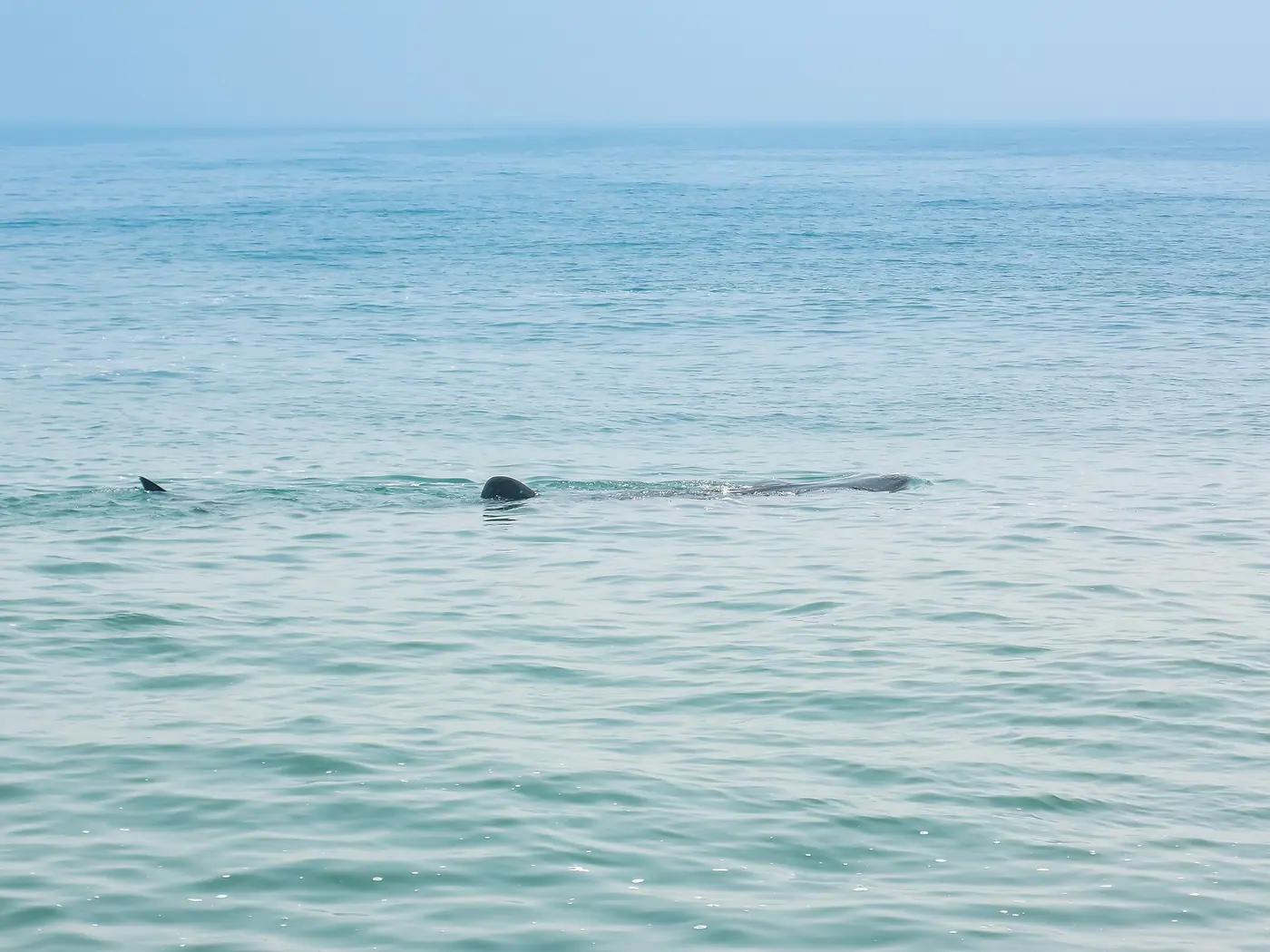
Offshore, the plankton bloom off Isla Holbox and Isla Contoy draws the largest known whale shark aggregation on earth each summer, with hundreds of animals feeding at the surface alongside manta rays.
Start with these animals
Why this location matters
Good location pages explain why the place is worth your time, not just which names belong on a destination checklist.
Calakmul Biosphere Reserve and the neighbouring forests of Campeche and Quintana Roo hold Mexico's largest jaguar population, and the Maya Train's wildlife crossings have made the peninsula's jaguars a national conservation debate.
The peninsula is also where many visitors meet their first wild primate, tropical bird or crocodile. The AnimalDex captures from Quintana Roo so far, iguanas, grackles, egrets and doves, show how much of that wildlife starts in a hotel garden.
Where to look
Wildlife map of Yucatán Peninsula
This guide covers the region shown below. Zoom in to get your bearings before planning a trip.
Positions are geocoded from OpenStreetMap. Habitat access and opening times change — check locally before travelling. Smaller pins are public AnimalDex captures, placed to the nearest kilometre.
Field proof
Found in Yucatán Peninsula by AnimalDex users
Real captures logged in the AnimalDex app inside this area and shared publicly by their collectors, with the animal confirmed by the app's identification. Places are shown to the nearest region, never the exact spot.
- 4
- public captures
- 4
- species recorded
- 2
- collectors
- 4
- wild sightings
Recent captures from the field
Species people have actually logged here
Every name links to its species guide. The count is how many public captures of that animal sit inside this area.
Collectors choose to share these captures on Discover and can withdraw them at any time. Coordinates are rounded to about a kilometre and refreshed with each site build.
Animals to spot
These are intentionally practical species picks, balancing accessibility, excitement, and what travelers can realistically notice in the location.
Whale SharkA
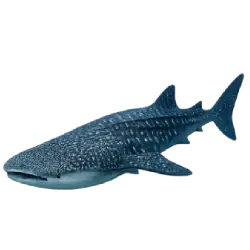
Hundreds gather to feed on plankton off Isla Holbox, Isla Contoy and Isla Mujeres from June to mid-September, the largest aggregation known anywhere.
Spotting note: Near-guaranteed on licensed snorkel trips in July and August; the season is strictly June to September.
Read species guide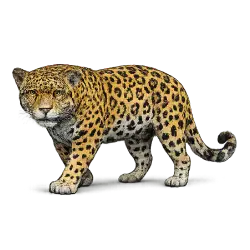
JaguarA
Calakmul Biosphere Reserve in Campeche and the Sian Ka'an forests hold Mexico's biggest jaguar population, with camera traps on nearly every trail.
Spotting note: Rare; dawn drives on the 60-kilometre Calakmul access road give a slim chance, tracks are common.
Read species guide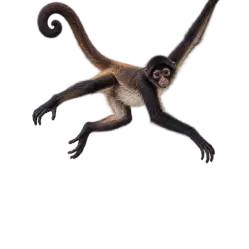
Spider MonkeyB
Punta Laguna near Cobá is a community reserve where troops of Geoffroy's spider monkeys swing through the canopy over the lagoon, and Calakmul's ruins have them overhead.
Spotting note: Near-guaranteed at Punta Laguna with a local guide, best in the early morning.
Read species guide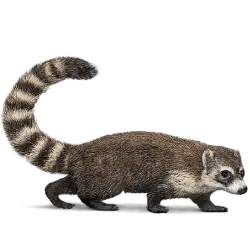
White-nosed CoatiC
Troops of coatis patrol the ruins of Tulum, Cobá and Chichén Itzá, raiding bins and begging in the car parks.
Spotting note: Common at the major archaeological sites, especially mid-morning.
Read species guide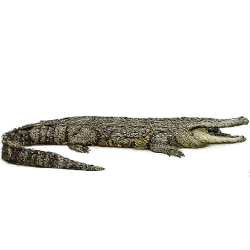
American CrocodileA
Basks on the banks of the Río Lagartos and Celestún estuaries, Sian Ka'an's Muyil lagoon and the Nichupté lagoon behind Cancún's hotel zone.
Spotting note: Likely on any Río Lagartos or Sian Ka'an boat tour; the Cancún lagoon has warning signs for a reason.
Read species guide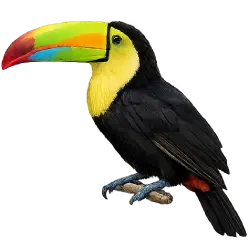
Keel-billed ToucanC
Croaks like a frog from the tall forest around the Calakmul ruins and the Bacalar lagoon in southern Quintana Roo.
Spotting note: Regular at Calakmul and Bacalar; rare in the drier northern peninsula.
Read species guide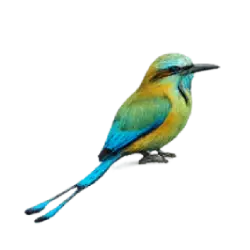
Turquoise-browed MotmotD
The Yucatán's toh bird, with racket-tipped tail feathers, nests in cenote walls and perches on the ruins at Uxmal and Dzibilchaltún.
Spotting note: Common at cenotes and ruins across the peninsula; listen for the soft hoot.
Read species guide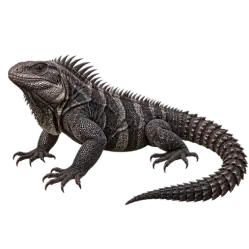
Black Spiny-tailed IguanaD
Sprawls on every stone wall of the Tulum ruins and most hotel pool decks on the Riviera Maya, and is logged in Quintana Roo in AnimalDex.
Spotting note: Guaranteed at Tulum and on the coast; midday is best.
Read species guide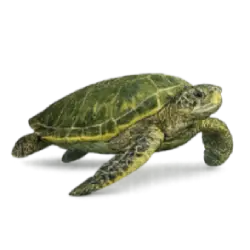
Green Sea TurtleC
Grazes the seagrass in Akumal Bay within metres of snorkellers and nests on the beaches of Xcacel and Tulum from May to October.
Spotting note: Near-guaranteed at Akumal under the managed snorkel rules; nesting walks in summer.
Read species guide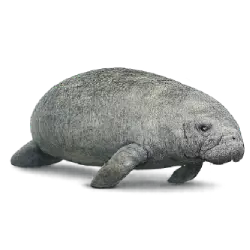
ManateeC
Antillean manatees graze the Chetumal Bay sanctuary and Sian Ka'an's lagoons, where the community of Punta Allen runs boat tours.
Spotting note: Uncommon; Chetumal Bay tours from Calderitas offer the best odds.
Read species guide
Spotted Eagle RayB
Glides along the walls and sand flats of Cozumel's reefs and the shallow bay at Akumal, often in small groups in winter.
Spotting note: Likely on Cozumel dives from December to March; occasional from the surface at Akumal.
Read species guide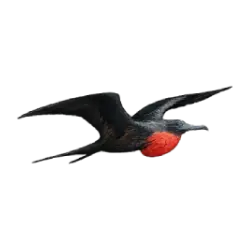
Magnificent FrigatebirdC
Hangs over the Holbox ferry, Isla Contoy and every fishing harbour, and the males inflate scarlet throats at the Contoy colony.
Spotting note: Guaranteed along the entire coast.
Read species guide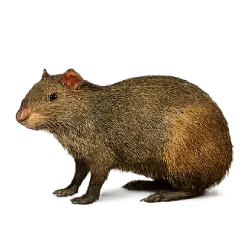
Central American AgoutiD
A rabbit-sized rodent that trots across the Calakmul and Cobá trails at dawn and dusk, dropping seeds as it goes.
Spotting note: Common at Calakmul and Cobá in the early morning.
Read species guide
Great-tailed GrackleD
The loud black bird of every plaza in Mérida, Valladolid and Playa del Carmen, and one of the first Quintana Roo captures in AnimalDex.
Spotting note: Guaranteed in any town.
Read species guideBest for
Use this section to decide whether the location fits your travel style, skill level, and AnimalDex goals.
- Whale sharks and mantas off Holbox and Isla Mujeres
- Spider monkeys, coatis and motmots at the ruins and cenotes
- Crocodiles, flamingos and manatees in the coastal lagoons
- Deep-forest wildlife at Calakmul
Spotting tips
These tips are meant to make the page useful in the field, not just readable on the page.
- 01Book whale shark trips with a licensed operator in Holbox, Cancún or Isla Mujeres between mid-June and early September; snorkel only, no touching, and the boats rotate to limit pressure.
- 02Go to Punta Laguna at opening (around 8 am) with a community guide; the spider monkeys feed in the canopy over the first kilometre of trail before the heat.
- 03Celestún and Río Lagartos flamingo and crocodile tours run from the village boat cooperatives; Celestún is best from November to March and Río Lagartos from April to October.
- 04For Calakmul, stay in Xpujil or the Conhuas cabins and drive the access road at first light; agoutis, toucans and turkeys are common and this is the only realistic jaguar window.
Virtual Wildlife Guides
Wildlife guides to Yucatán Peninsula
AnimalDex builds virtual guides from explorers' own wild sightings: which animals they found, how rare they are, and when. A guide is advice from someone who has been there, not a tour. Buying one unlocks the author's notes for every animal, a chat with the author, and introductions to local people they met. Wildlife is never guaranteed.
Checking for virtual guides to Yucatán Peninsula...
How to choose a local wildlife guide in Yucatán Peninsula
- Ask what they usually find in the season you are visiting. A good guide gives an honest answer, not a promised sighting.
- Check how they treat animals: no baiting, calling in, handling, or close flash photography for a better shot.
- Confirm the meeting area, duration, group size, total price, and how you pay before the day, plus any permits or park fees the place requires.
Track the animals you find in Yucatán Peninsula
Build your collection while you travel through Yucatán Peninsula, from easy wins to the species worth planning around.
Related tier lists
These tier lists add broader context around the species that make this location interesting.
Biggest Animals in the World
A structured ranking of the biggest animals in the world, using the AnimalDex size stat to compare body scale across sea, land, and air.
Read tier listRelated locations
Keep exploring with nearby or similar destinations that support the same kind of AnimalDex discovery.
Animals in Mexico: What You Can Spot, Learn, and Collect
A practical Mexico wildlife guide built around wetlands, coasts, colorful birds, and the species that make the country strong for flexible animal discovery.
Read location guideAnimals in Jalisco: What You Can Spot, Learn, and Collect
Jalisco wildlife guide: humpback whales in Banderas Bay, olive ridley turtle releases in Puerto Vallarta, Marietas boobies, Lake Chapala's pelicans, beaded lizards in the Sierra Madre and the Guadalajara Zoo.
Read location guideAnimals in Nuevo León: What You Can Spot, Learn, and Collect
Nuevo León wildlife guide: Chipinque's black bears above Monterrey, Cumbres de Monterrey pumas and golden eagles, green jays and roadrunners, Texas tortoises, grackles, cicadas and jumping spiders.
Read location guideLocation FAQ
Short direct answers to the questions travelers usually ask before choosing a wildlife destination or zoo day.
What wildlife is there in the Yucatán Peninsula?
Jaguars, pumas, spider and howler monkeys, coatis, agoutis and tapirs in the forest; toucans, motmots, flamingos and ocellated turkeys among the birds; crocodiles, iguanas and sea turtles on the coast; and whale sharks, manta rays, eagle rays and manatees in the sea and lagoons.
What animals can be found in the Yucatán Peninsula's Tulum and Cancún area?
Spiny-tailed iguanas and coatis at the Tulum ruins, green sea turtles at Akumal, crocodiles in Cancún's Nichupté lagoon, motmots and bats at the cenotes, frigatebirds and pelicans on the beach, and spider monkeys an hour inland at Punta Laguna.
When can you swim with whale sharks in the Yucatán?
From mid-June to mid-September, peaking in July and August, off Isla Holbox, Isla Contoy and Isla Mujeres. Trips are strictly regulated: snorkel only, two swimmers and a guide at a time, no touching.
Can you see flamingos in the Yucatán?
Yes. The American flamingo breeds at Río Lagartos on the north coast and winters in large numbers at Celestún on the west coast, with boat tours from both villages.
Have AnimalDex users found animals in Yucatán Peninsula?
Yes. AnimalDex users have publicly logged 4 captures of 4 different species in Yucatán Peninsula, including black spiny-tailed iguana, great-tailed grackle, mourning dove, snowy egret. Each one was photographed in the app at the moment of the sighting.
How do I find a wildlife guide to Yucatán Peninsula?
Check the Wildlife Guides section on this page or browse Wildlife Guides on AnimalDex. Each one is a virtual guide built from an explorer's own wild sightings around Yucatán Peninsula: the animals they found, how rare they are, and when. It is advice from someone who has been there, not a tour. If you want someone with you on the day, compare local guides on wildlife knowledge, how they treat animals, and clear pricing before you go.