
Kembali ke Kekuatan

Kekuatan Hewan

Observation

See in the dark.

Hewan di sini menunjukkan kekuatan yang serupa melalui perilakunya di alam. Setiap spesies tetap punya prinsip, pelajaran, makna, dan halaman field guide sendiri.

55 spesies

Owl (Strigiformes) thumbnail image on AnimalDex

Owl

Prinsip spesies: Silent Night Vision

See in the dark.

Wisdom begins where ordinary visibility ends.

Owls combine forward-facing eyes, silent flight feathers, facial disks, night hearing, and patient perching to detect hidden movement with minimal noise.
Polyphemus Moth (Antheraea polyphemus) thumbnail image on AnimalDex

Polyphemus Moth

Prinsip spesies: Eyespot Warning

Unfold the giant eyes.

A single bold signal can interrupt danger long enough to live.

Polyphemus Moths have large eyespots on the hindwings that are revealed when wings open, startling or distracting predators.

Red Imported Fire Ant animal lesson image on AnimalDex

Red Imported Fire Ant

Prinsip spesies: Fiery

The Red Imported Fire Ant, Solenopsis invicta, i

The Red Imported Fire Ant, Solenopsis invicta, is a tiny powerhouse with a fiery sting that packs a punch.

The Fiery Invader

Roan Antelope (Hippotragus equinus) thumbnail image on AnimalDex

Roan Antelope

Prinsip spesies: Sentinel Strength

Stand watch.

Awareness becomes strength when it stands tall before danger arrives.

Roan Antelope are large grassland antelopes with long curved horns, strong bodies, and alert herd behavior in open savanna habitats.

Sacred Kingfisher (Todiramphus sanctus) thumbnail image on AnimalDex

Sacred Kingfisher

Prinsip spesies: Branch Lookout

Hold the lookout.

The next move becomes clearer from a steady perch.

Sacred Kingfishers hunt from perches and take prey from water, land, or air, using strong bills and watchful scanning across varied habitats.

Short-eared Owl (Asio flammeus) thumbnail image on AnimalDex

Short-eared Owl

Prinsip spesies: Low Listening

Sweep the grass low.

The field reveals itself to the one who listens close to the ground.

Short-eared Owls hunt over open grasslands and marshes with low buoyant flight, using hearing and sight to locate small mammals.

Sika Deer (Cervus nippon) thumbnail image on AnimalDex

Sika Deer

Prinsip spesies: Woodland Discretion

Blend with the flecks.

The quiet one survives by reading where light breaks the forest.

Sika Deer use spotted or dappled coats, alert behavior, and quiet movement through woodland edges and cover to avoid danger.

Small Indian Civet (Viverricula indica) thumbnail image on AnimalDex

Small Indian Civet

Prinsip spesies: Edge Scent

Scent the edge.

The next move becomes clearer when the night is read by nose.

Small Indian Civets are nocturnal omnivores that forage along forest edges, fields, and human-adjacent habitats using scent, careful movement, and flexible diet.

Snail animal lesson image on AnimalDex

Snail

Prinsip spesies: Patience

Slow is still forward.

Slow progress still counts when you bring what you need with you.

Land snails move on a muscular foot and carry a protective shell, trading speed for moisture control and safety across exposed ground.

Snowy Owl (Bubo scandiacus) thumbnail image on AnimalDex

Snowy Owl

Prinsip spesies: Arctic Vigil

Watch the white.

In a white world, patience becomes a watchtower.

Snowy Owls hunt across open tundra and snowy landscapes using strong eyesight, hearing, silent flight, and high perches or ground positions to detect prey.

Southern Toad animal lesson image on AnimalDex

Southern Toad

Prinsip spesies: Still Warning

Notice early.

Sensitivity can protect the whole group.

Toads are sensitive to moisture, temperature, vibration, and seasonal change, using stillness and sudden movement to survive.

Spectacled Owl (Pulsatrix perspicillata) thumbnail image on AnimalDex

Spectacled Owl

Prinsip spesies: Masked Watch

Watch the dark.

See calmly where the dark is moving.

Spectacled owls have strong facial markings, large eyes, and nocturnal hunting behavior adapted for watching and striking in darkness.

Spotted Cuscus (Spilocuscus maculatus) thumbnail image on AnimalDex

Spotted Cuscus

Prinsip spesies: Slow Grip

Clasp the branch.

Slow movement sees what hurried bodies pass beneath.

Spotted Cuscuses are nocturnal arboreal marsupials with strong gripping paws and slow deliberate movement through forest canopies.

Spotted Wood Owl animal lesson image on AnimalDex

Spotted Wood Owl

Prinsip spesies: Discernment

Hear before you move.

Move only after the dark has taught you what is worth approaching.

Spotted Wood Owls hunt at night using large eyes, sensitive hearing, soft flight feathers, and strong talons to approach prey through dark wooded habitats.

Tawny Frogmouth (Podargus strigoides) thumbnail image on AnimalDex

Tawny Frogmouth

Prinsip spesies: Disguise

Become broken bark.

The watcher becomes invisible by becoming what the forest expects to see.

Tawny Frogmouths use cryptic bark-like plumage and rigid still postures to resemble broken branches during the day, avoiding predators through camouflage.

Tawny Owl (Strix aluco) thumbnail image on AnimalDex

Tawny Owl

Prinsip spesies: Attention

Listen through dusk.

Quiet power begins by hearing what the noisy world misses.

Tawny Owls hunt in woodland and edge habitats using silent flight, strong hearing, and low-light vision. They often wait from perches and listen before striking.

Topi (Damaliscus lunatus) thumbnail image on AnimalDex

Topi

Prinsip spesies: Plain Watch

Stand the mound.

The open world is safer from the one willing to rise and scan.

Topi often stand on elevated spots such as termite mounds to scan open savannas for predators and display presence.

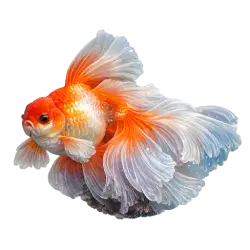
Tosakin Goldfish animal lesson image on AnimalDex

Tosakin Goldfish

Prinsip spesies: Refinement

Refine with care.

Some forms of excellence come from patience, tradition, and precise attention.

Ornamental goldfish varieties are shaped by selective breeding and require careful aquatic husbandry.

Jelajahi indeks terkait