

Bobbit Worm
Species principle: Sand-Jaw Ambush
Wait under sand.
Patience becomes danger when timing and concealment meet.
Bobbit Worms hide in sediment with powerful jaws, striking rapidly at prey that passes above the burrow.
Animal Powers
Wait under sand.
Animals grouped here express a similar power through their behavior in nature. Each species still has its own principle, lesson, meaning, and field-guide page.
6 species
Species principle: Sand-Jaw Ambush
Wait under sand.
Patience becomes danger when timing and concealment meet.
Bobbit Worms hide in sediment with powerful jaws, striking rapidly at prey that passes above the burrow.

Species principle: Night Fruit Calls
Call through fruit trees.
Communication matters most when visibility is limited.
Egyptian Fruit Bats are social fruit-eating bats that use vocalizations, scent, and night flight to navigate roosting and foraging life.
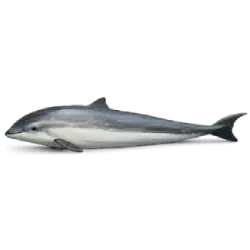
Species principle: Echolocation
Read without noise.
Read the field clearly and you waste less force.
Harbor Porpoises are small coastal cetaceans that use echolocation clicks to navigate and hunt fish in cold coastal waters while remaining relatively shy and quiet.
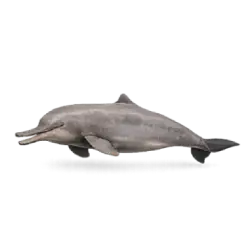
Species principle: Sound Navigation
Hear the river path.
There is more than one way to see the path.
Indus River Dolphins have very poor vision and rely heavily on echolocation to navigate and hunt in turbid river water.

Species principle: Buried Spark
Wait below.
Hidden danger is strongest when patience removes wasted movement.
Stargazer fish bury themselves in sand with upward-facing eyes and mouth, ambushing prey from below; some species also have venomous spines or electric organs.
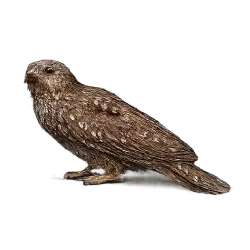
Species principle: Cave Echolocation
Hear the cave.
The dark becomes navigable when you learn to hear its shape.
Oilbirds are nocturnal fruit-eating birds that nest in caves and use audible clicks for echolocation while navigating in darkness.