AnimalDex
en
Back to Powers

Animal Powers

Protective Boundaries

Warn wide.

Animals grouped here express a similar power through their behavior in nature. Each species still has its own principle, lesson, meaning, and field-guide page.

6 species

Budgett's Frog animal lesson image on AnimalDex

Budgett's Frog

Species principle: Wide-Mouth Boundary

Warn wide.

A dramatic signal can prevent contact when a small body must defend space.

Budgett's Frogs are aquatic frogs known for large mouths, defensive postures, loud calls, and sudden threat displays when disturbed.
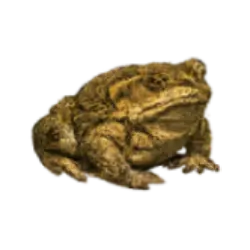
Cane Toad (Rhinella marina) thumbnail image on AnimalDex

Cane Toad

Species principle: Deterrence

Be costly to attack.

Some boundaries work because crossing them has a real cost.

Cane Toads have large parotoid glands that secrete potent toxins. This chemical defense deters many predators and helps the toad survive despite being slow-moving.

Darwin's Frog animal lesson image on AnimalDex

Darwin's Frog

Species principle: Mouth-Brooded Care

Hold life close.

Protection becomes intimate when care uses the body as shelter.

Darwin's Frogs are known for unusual parental care, with males brooding developing young in the vocal sac after eggs hatch.

Patagonian Hog-nosed Skunk (Conepatus humboldtii) thumbnail image on AnimalDex

Patagonian Hog-nosed Skunk

Species principle: Digging Deterrence

Dig with a warning.

Steady work stays safer when the warning is clear.

Patagonian Hog-nosed Skunks use strong snouts and claws for digging and chemical spray as a defensive deterrent against predators.

Semaphore Crab animal lesson image on AnimalDex

Semaphore Crab

Species principle: Claw Semaphore

Signal with the claw.

Clear display helps small bodies negotiate space.

Semaphore Crabs use conspicuous claw-waving displays in social, territorial, and courtship contexts along shorelines and mudflats.

Texas Horned Lizard animal lesson image on AnimalDex

Texas Horned Lizard

Species principle: Spined Warning

Warn before contact.

Deterrence works best when danger understands the boundary early.

Texas Horned Lizards rely on camouflage, spines, body inflation, and in some cases defensive blood-squirting from the eyes to discourage predators.

Explore related indexes