

Common Pond Skater
Species principle: Light-Footed Surface
Step lightly.
A delicate method can carry weight when it respects the surface.
Pond Skaters use hydrophobic legs and surface tension to move across still water while detecting vibrations.
Animal Powers
Step lightly.
Animals grouped here express a similar power through their behavior in nature. Each species still has its own principle, lesson, meaning, and field-guide page.
6 species
Species principle: Light-Footed Surface
Step lightly.
A delicate method can carry weight when it respects the surface.
Pond Skaters use hydrophobic legs and surface tension to move across still water while detecting vibrations.

Species principle: Surface-Tension Hunt
Read the ripple.
Precision comes from trusting the smallest support that will hold.
Fishing Spiders can rest on water surfaces, detect ripples, dive, and capture aquatic or edge-dwelling prey.

Species principle: Diving Nest Rhythm
Dive then surface.
Balance improves when a body knows when to float and when to dive.
Grebes are aquatic birds that dive for prey and build floating nests in freshwater habitats.

Species principle: Armored River Time
Carry the old armor.
Endurance becomes powerful when it carries history without stopping.
Sturgeons are ancient bony fishes with armored scutes, long lifespans, bottom-feeding habits, and river or coastal migrations.
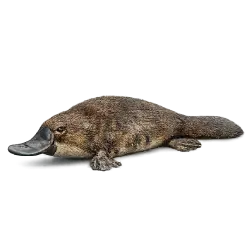
Species principle: Integration
Make the strange whole.
Unusual parts become genius when they work as one system.
Platypuses combine webbed feet, dense fur, egg-laying reproduction, venomous male spurs, and electroreceptive bills used to detect prey underwater.

Species principle: River-Floor Courage
Walk the current.
Adaptation becomes confidence when movement fits resistance.
Dippers forage in cold streams by walking underwater, using strong legs and dense plumage to hunt aquatic insects in fast flow.