AnimalDex
en
Back to Qualities

Animal Qualities

Ambush

Coil into green.

Animals grouped here express a similar quality through their behavior in nature. Each species still has its own principle, lesson, meaning, and field-guide page.

40 species

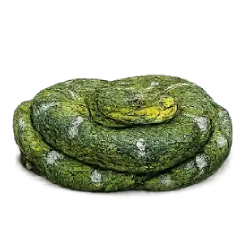
Emerald Tree Boa (Corallus caninus) thumbnail image on AnimalDex

Emerald Tree Boa

Species principle: Branch Patience

Coil into green.

Patience deepens when the body becomes part of the branch.

Emerald Tree Boas coil over branches in rainforest canopies and use stillness, camouflage, and ambush strikes to capture prey.
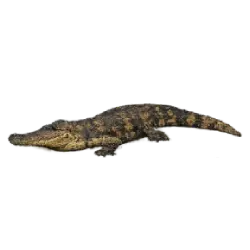
False Gharial (Tomistoma schlegelii) thumbnail image on AnimalDex

False Gharial

Species principle: Narrow Tooling

Fit the snout to the swamp.

The right tool becomes strongest when the job is narrow enough for it.

False Gharials have long narrow snouts suited to catching fish and other aquatic prey, using ambush behavior in swampy rivers and peatland habitats.

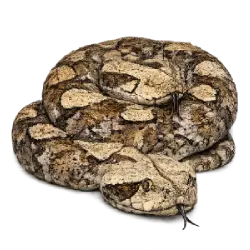
Gaboon Viper (Bitis gabonica) thumbnail image on AnimalDex

Gaboon Viper

Species principle: Hidden Magnitude

Hide the fang.

Stillness can hide more power than movement can explain.

Gaboon Vipers use leaf-pattern camouflage, heavy bodies, extremely long fangs, potent venom, and ambush behavior on the forest floor.

Gar animal lesson image on AnimalDex

Gar

Species principle: Ancient Patience

Old shape waits.

Endurance can come from keeping a successful form and using it with precision.

Gars are ancient-looking predatory fish with long jaws, armored scales, and patient ambush habits.

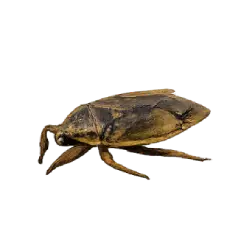
Giant Water Bug (Lethocerus americanus) thumbnail image on AnimalDex

Giant Water Bug

Species principle: Ambush Grip

Grip from below.

Patience turns to advantage when the grip is ready before the prey arrives.

Giant Water Bugs are aquatic ambush predators with powerful raptorial forelegs that seize fish, tadpoles, insects, and other prey from underwater cover.

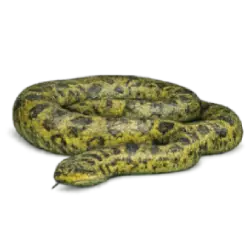
Green Anaconda (Eunectes murinus) thumbnail image on AnimalDex

Green Anaconda

Species principle: Setting Fit

Find river strength.

Great strength becomes easier to carry in the right setting.

Green Anacondas are massive semi-aquatic snakes whose buoyancy and ambush strategy suit swamps, rivers, and flooded habitats.

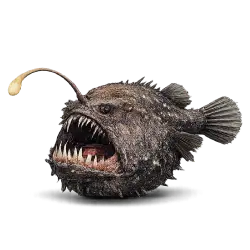
Humpback Anglerfish (Melanocetus johnsonii) thumbnail image on AnimalDex

Humpback Anglerfish

Species principle: Lurecraft

Light the lure.

In total darkness, attraction belongs to the one who carries the light others chase.

Female Humpback Anglerfish use a bioluminescent lure on a modified fin ray to attract prey in deep-sea darkness.

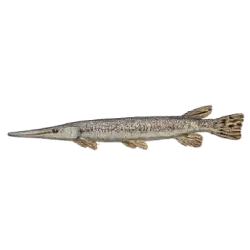
Longnose Gar (Lepisosteus osseus) thumbnail image on AnimalDex

Longnose Gar

Species principle: Surface Ambush

Wait near the surface.

Patience waits near the surface until the water makes one mistake.

Longnose Gar are armored predatory fish with long toothy snouts, often lying near the surface or vegetation before striking fish with quick sideways snaps.

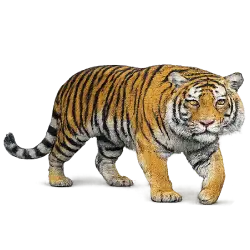
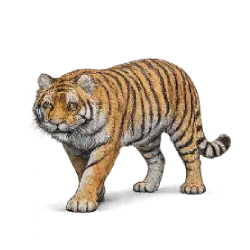
Malayan Tiger (Panthera tigris jacksoni) thumbnail image on AnimalDex

Malayan Tiger

Species principle: Jungle Fit

Fit the stripe to jungle.

Power works best when it fits the place it moves through.

Malayan Tigers are tropical forest predators with striped camouflage and powerful bodies suited to stalking and ambush in dense jungle.

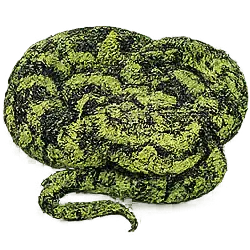
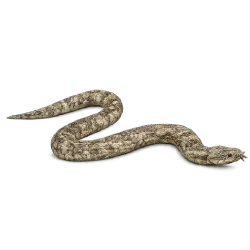
Mangshan Pit Viper (Protobothrops mangshanensis) thumbnail image on AnimalDex

Mangshan Pit Viper

Species principle: Moss Living Camouflage

Melt into moss.

The best camouflage does not disappear; it becomes part of the living place.

Mangshan Pit Vipers have mossy green patterning and pit-viper ambush behavior, helping them blend into humid mountain forest vegetation.

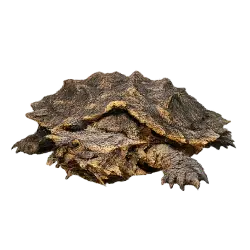
Mata Mata (Chelus fimbriata) thumbnail image on AnimalDex

Mata Mata

Species principle: Leaf Illusion

Become the leaf trap.

The perfect disguise lets the meal come close enough for the water to vanish.

Mata Matas have leaf-like heads, fringed skin, and cryptic shapes that help them resemble debris. They catch prey by rapidly opening the mouth and sucking in water and fish.

Milkweed Assassin Bug (Zelus longipes) thumbnail image on AnimalDex

Milkweed Assassin Bug

Species principle: Sticky Patience

Hold the stem.

Preparation holds the moment before the strike ever begins.

Milkweed Assassin Bugs are predatory insects that use sticky forelegs and piercing mouthparts to seize prey from stems, flowers, and vegetation.

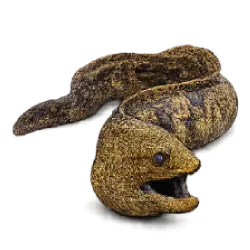
Moray Eel (Gymnothorax javanicus) thumbnail image on AnimalDex

Moray Eel

Species principle: Lair Strategy

Own the crevice.

Not every victory begins in motion; some begin in the right hiding place.

Moray Eels use long bodies to live in reef crevices and ambush prey, striking from holes with strong jaws and specialized feeding mechanics.

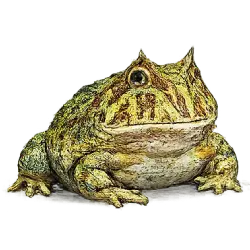
Ornate Horned Frog (Ceratophrys ornata) thumbnail image on AnimalDex

Ornate Horned Frog

Species principle: Sit-and-Wait

Let prey come close.

The right moment matters more than constant motion.

Ornate Horned Frogs are sit-and-wait ambush predators with large mouths, camouflage, and explosive strikes from leaf litter or ground cover.

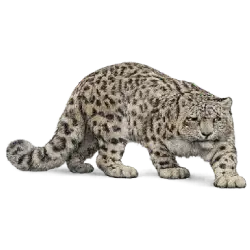
Snow Leopard (Panthera uncia) thumbnail image on AnimalDex

Snow Leopard

Species principle: Mountain Ghosting

Vanish before leaping.

The unseen leap begins long before the body leaves the rock.

Snow Leopards have pale spotted coats, long balancing tails, and powerful hind limbs that help them move and hunt across steep snowy cliffs.

Spotted-winged Antlion (Myrmeleon immaculatus) thumbnail image on AnimalDex

Spotted-winged Antlion

Species principle: Entrapment

Build the pit.

The best trap is built before hunger arrives.

Antlion larvae dig conical pits in loose sand and wait at the bottom for small insects to slide down into their jaws.

Sumatran Tiger (Panthera tigris sumatrae) thumbnail image on AnimalDex

Sumatran Tiger

Species principle: Dense Stealth

Fit the jungle.

Power becomes sharper when it fits the thickness of its world.

Sumatran Tigers are smaller and more compact than many mainland tigers, with dense dark striping suited to hunting through thick tropical forest.

Tentacled Snake (Erpeton tentaculatum) thumbnail image on AnimalDex

Tentacled Snake

Species principle: Prediction

Strike where fear goes.

The strike lands when you know where fear will move next.

Tentacled Snakes use paired snout tentacles and a curved body posture to detect and ambush fish. They can trigger fish escape responses and strike toward where the fish will flee.

Explore related indexes