AnimalDex
en
Back to Qualities

Animal Qualities

Ambush

Wait at the edge.

Animals grouped here express a similar quality through their behavior in nature. Each species still has its own principle, lesson, meaning, and field-guide page.

40 species

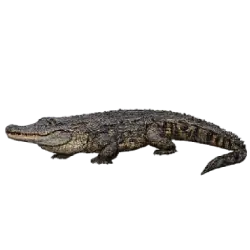
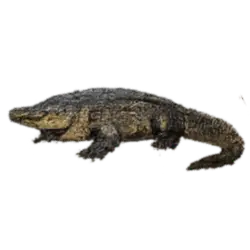
American Alligator (Alligator mississippiensis) thumbnail image on AnimalDex

American Alligator

Species principle: Patience

Wait at the edge.

The strongest move may be the one held until the world comes close enough.

American Alligators often hunt by waiting motionless near water edges, using camouflage, powerful jaws, armored bodies, and explosive strikes when prey comes within range.
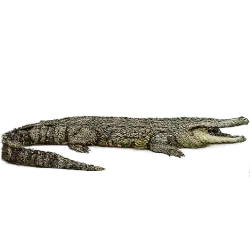
American Crocodile animal lesson image on AnimalDex

American Crocodile

Species principle: Brackish Stillness

Wait where waters mix.

Strength can wait where river and sea meet.

American Crocodiles inhabit coastal lagoons, mangroves, river mouths, and brackish waters, using patient ambush, basking, and powerful bodies to hunt.

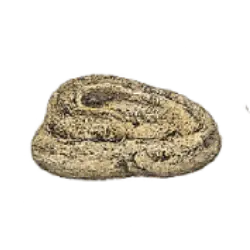
Arabian Sand Boa (Eryx jayakari) thumbnail image on AnimalDex

Arabian Sand Boa

Species principle: Sand Concealment

Hide under sand.

The quietest place can become the strongest trap.

Arabian Sand Boas use blunt heads and sand-adapted bodies to burrow beneath loose desert sand, often waiting hidden with only parts of the head exposed for ambush hunting.

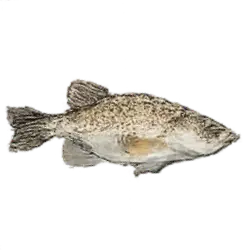
Barramundi (Lates calcarifer) thumbnail image on AnimalDex

Barramundi

Species principle: Strike Timing

Snap upward.

One clean strike can change the water in an instant.

Barramundi are predatory fish of estuaries, rivers, and coastal waters, using ambush and sudden suction strikes to capture fish and crustaceans.

Barred Eagle-Owl animal lesson image on AnimalDex

Barred Eagle-Owl

Species principle: Canopy Vigilance

Watch the canopy.

Patience and elevation sharpen perception before action.

Barred Eagle-Owls are forest owls that perch, listen, and hunt from wooded cover, often active at night.

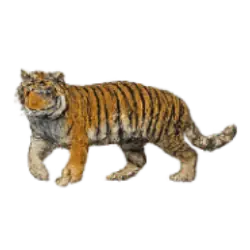
Bengal Tiger (Panthera tigris tigris) thumbnail image on AnimalDex

Bengal Tiger

Species principle: Solitary Command

Walk alone in stripes.

Some power walks alone because the forest already knows its shape.

Bengal Tigers are solitary ambush predators that use stripes as camouflage in grass, forest, and wetland cover before making powerful close-range attacks.

Black Caiman (Melanosuchus niger) thumbnail image on AnimalDex

Black Caiman

Species principle: Dark Timing

Wait in black water.

Power waits best where shadow and water hide the clock.

Black Caimans are large dark crocodilians of Amazon waterways. They use camouflage, night activity, powerful jaws, and ambush hunting in slow water.

Boa Constrictor (Boa constrictor) thumbnail image on AnimalDex

Boa Constrictor

Species principle: Compression

Become the trap.

Timing matters because the whole body becomes power at once.

Boa Constrictors are ambush predators that use camouflage, striking, and muscular constriction to restrain prey with their entire bodies.

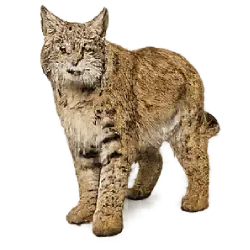
Bobcat (Lynx rufus) thumbnail image on AnimalDex

Bobcat

Species principle: Ambush

Pounce from silence.

Silence becomes action when the distance is finally right.

Bobcats are solitary predators that stalk prey through woodland edges, rocky cover, brush, and scrub. They rely on stealth, patience, and sudden pounces at close range.

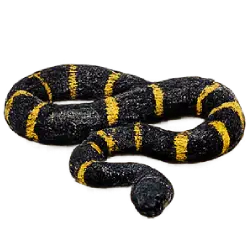
Boelen's Python (Simalia boeleni) thumbnail image on AnimalDex

Boelen's Python

Species principle: Black Sheen

Coil in black.

Mystery becomes power when it waits in a body dark enough to hold the forest.

Boelen’s Pythons are rare dark pythons from New Guinea highlands, using constriction and ambush predation in montane forest environments.

Burmese Python (Python bivittatus) thumbnail image on AnimalDex

Burmese Python

Species principle: Giant Pressure

Own the coil.

One true strength, fully owned, can solve what speed cannot.

Burmese Pythons are large constrictors that use camouflage, ambush, muscular coils, and swallowing adaptations to subdue and consume large prey.

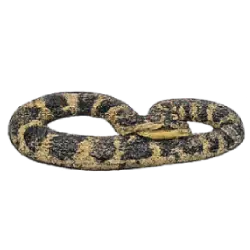
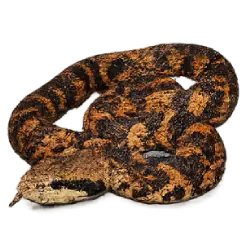
Bushmaster (Lachesis muta) thumbnail image on AnimalDex

Bushmaster

Species principle: Held Power

Hold the strike.

The greatest force may be the one waiting without announcement.

Bushmasters are large venomous pit vipers that use camouflage and stillness on rainforest floors, striking when prey comes within range.
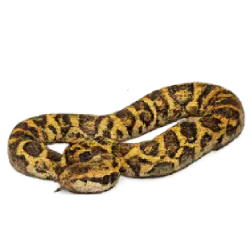
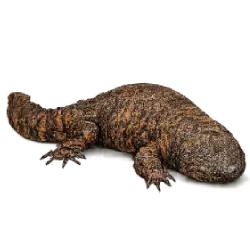
Chinese Giant Salamander (Andrias davidianus) thumbnail image on AnimalDex

Chinese Giant Salamander

Species principle: River Hidden Magnitude

Hide like a river log.

Great size can disappear when it learns the shape of the river.

Chinese Giant Salamanders are enormous aquatic salamanders that hide among rocks in cold streams and rivers, using flattened bodies and ambush behavior.

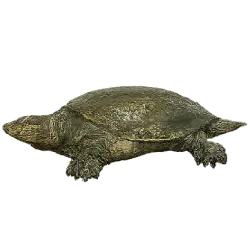
Chinese Softshell Turtle (Pelodiscus sinensis) thumbnail image on AnimalDex

Chinese Softshell Turtle

Species principle: Mud Concealment

Hide with one breath.

The quiet advantage is knowing how little of yourself must be seen.

Chinese Softshell Turtles have flat soft shells and long snorkel-like snouts, allowing them to bury in mud or sand while breathing with minimal exposure.

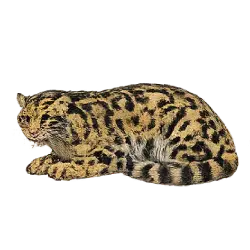
Clouded Leopard (Neofelis nebulosa) thumbnail image on AnimalDex

Clouded Leopard

Species principle: Canopy Range

Balance the branches.

More paths open when balance works both above and below.

Clouded Leopards are highly arboreal cats with strong climbing skills, long tails, and flexible ankles that help them move through trees and on the ground.

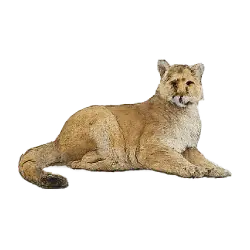
Cougar (Puma concolor) thumbnail image on AnimalDex

Cougar

Species principle: Range Stealth

Leap from silence.

A broad life opens when silence and flexibility move together.

Cougars occupy a wide range of habitats and use stealth, solitary hunting, and powerful leaps to ambush prey.

Desert Horned Viper (Cerastes cerastes) thumbnail image on AnimalDex

Desert Horned Viper

Species principle: Concealment

Hide in the sand.

Power can wait beneath the surface until the desert moves close.

Desert Horned Vipers use sand-colored camouflage, burying behavior, sidewinding movement, and ambush predation in desert habitats.

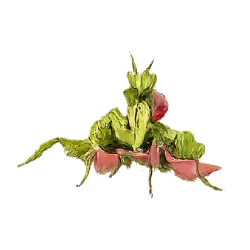
Devil's Flower Mantis (Idolomantis diabolica) thumbnail image on AnimalDex

Devil's Flower Mantis

Species principle: Deceptive Beauty

Hide in bloom.

Beauty can be a doorway into danger when the hunter wears petals.

Devil’s Flower Mantises use flower-like shapes, cryptic coloration, threat displays, and ambush predation to attract or surprise prey while deterring enemies.

Explore related indexes