AnimalDex
en
Back to Qualities

Animal Qualities

Beauty

Spend the stored light.

Animals grouped here express a similar quality through their behavior in nature. Each species still has its own principle, lesson, meaning, and field-guide page.

17 species

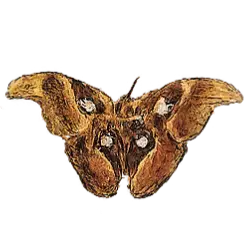
Atlas Moth (Attacus atlas) thumbnail image on AnimalDex

Atlas Moth

Species principle: Final Splendor

Spend the stored light.

Preparation becomes magnificent when the brief window finally opens.

Atlas Moths are giant silk moths whose adults have short lives, do not feed, and rely on energy stored from the larval stage for reproduction.
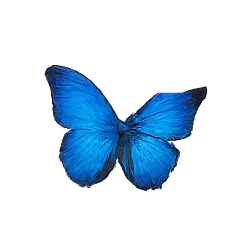
Blue Morpho (Morpho menelaus) thumbnail image on AnimalDex

Blue Morpho

Species principle: Flash Beauty

Flash through shadow.

Beauty becomes impossible to ignore when it appears and vanishes in motion.

Blue Morpho butterflies show brilliant structural blue on the upper wings and dull undersides, creating flashing visual effects during flight.

Butterfly Koi animal lesson image on AnimalDex

Butterfly Koi

Species principle: Flowing Ornament

Glide beautifully.

Grace becomes stronger when it remains steady in motion.

Butterfly Koi are ornamental carp with long flowing fins, selected for visual beauty and pond presence.

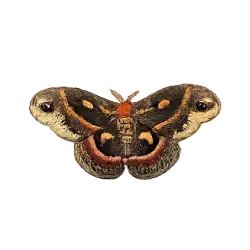
Cecropia Moth (Hyalophora cecropia) thumbnail image on AnimalDex

Cecropia Moth

Species principle: Brief Splendor

Glow while brief.

A short appearance can still arrive as a lantern.

Cecropia Moths are giant silk moths with large patterned wings and short adult lives focused on reproduction rather than feeding.

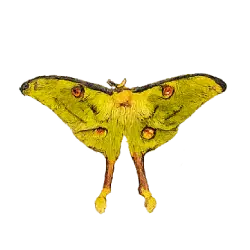
Comet Moth (Argema mittrei) thumbnail image on AnimalDex

Comet Moth

Species principle: Soft Drama

Float the comet.

A dramatic shape can still move with silence.

Comet Moths have large yellow wings and long trailing tails. As adult silk moths, they live briefly and focus on reproduction rather than feeding.

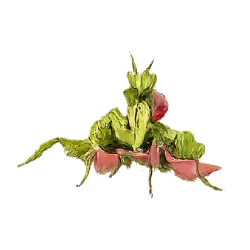
Devil's Flower Mantis (Idolomantis diabolica) thumbnail image on AnimalDex

Devil's Flower Mantis

Species principle: Deceptive Beauty

Hide in bloom.

Beauty can be a doorway into danger when the hunter wears petals.

Devil’s Flower Mantises use flower-like shapes, cryptic coloration, threat displays, and ambush predation to attract or surprise prey while deterring enemies.

Humpback Whale (Megaptera novaeangliae) thumbnail image on AnimalDex

Humpback Whale

Species principle: Ocean Song

Sing the ocean road.

A long journey can still carry music across the deep.

Humpback Whales migrate long distances between feeding and breeding grounds and are known for complex songs, social behavior, and dramatic surface displays.

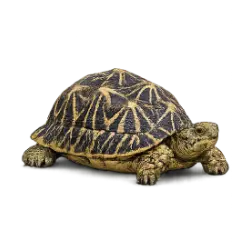
Indian Star Tortoise (Geochelone elegans) thumbnail image on AnimalDex

Indian Star Tortoise

Species principle: Radiant Armor

Wear the stars.

A beautiful pattern can protect as much as it decorates.

Indian Star Tortoises have star-like shell patterns that may help break up their outline among dry grasses and scrub while also making them visually distinctive.

Koi animal lesson image on AnimalDex

Koi

Species principle: Pond Patience

Color through time.

Beauty grows when care, calm, and longevity share the same water.

Koi are ornamental carp kept in ponds and selected for color, pattern, endurance, and long-term care.

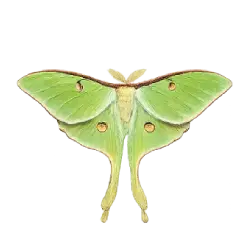
Luna Moth (Actias luna) thumbnail image on AnimalDex

Luna Moth

Species principle: Soft Impression

Leave soft light.

Softness can still leave a shape the night remembers.

Luna Moths are large pale green silk moths with long tails; adults live briefly, do not feed, and fly at night to reproduce.

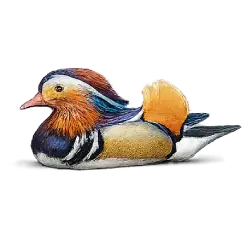
Mandarin Duck (Aix galericulata) thumbnail image on AnimalDex

Mandarin Duck

Species principle: Ornament

Wear the difference.

Difference becomes beauty when it is carried without apology.

Male Mandarin Ducks have ornate breeding plumage with bright colors and distinctive feather shapes used in courtship display.

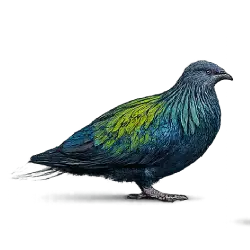
Nicobar Pigeon (Caloenas nicobarica) thumbnail image on AnimalDex

Nicobar Pigeon

Species principle: Practical Beauty

Walk with jewels.

Beauty stays grounded when it still knows how to find its food.

Nicobar Pigeons have iridescent neck feathers and strong ground-foraging habits, moving through island forests and coastal areas for fallen fruit, seeds, and other foods.

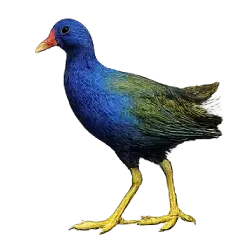
Purple Gallinule (Porphyrio martinica) thumbnail image on AnimalDex

Purple Gallinule

Species principle: Floating Balance

Step bright on leaves.

Beauty travels farther when balance knows where to place its weight.

Purple Gallinules use long toes to walk across floating vegetation in wetlands, combining bright coloration with careful balance.

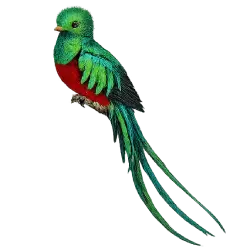
Resplendent Quetzal (Pharomachrus mocinno) thumbnail image on AnimalDex

Resplendent Quetzal

Species principle: Resplendence

Stream through mist.

Beauty becomes mythic when it moves through mist without needing to explain itself.

Resplendent Quetzals have iridescent green plumage and long tail coverts in males, moving through cloud forests where they feed heavily on fruit such as wild avocados.

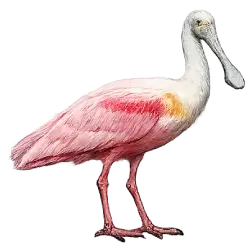
Roseate Spoonbill (Platalea ajaja) thumbnail image on AnimalDex

Roseate Spoonbill

Species principle: Beautiful Utility

Sweep with beauty.

A strange tool can do beautiful work when it fits the task.

Roseate Spoonbills use flattened spoon-shaped bills to sweep through shallow water for small aquatic prey, while their pink coloration comes from diet pigments.

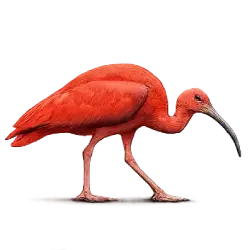
Scarlet Ibis (Eudocimus ruber) thumbnail image on AnimalDex

Scarlet Ibis

Species principle: Crimson Utility

Glow while working.

Beauty and usefulness can travel in the same body.

Scarlet Ibises use long curved bills to probe mud and shallow water for prey; their vivid red color comes from carotenoid-rich diets.

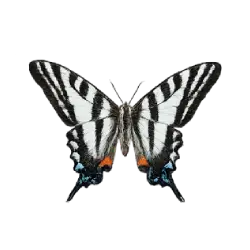
Zebra Swallowtail (Eurytides marcellus) thumbnail image on AnimalDex

Zebra Swallowtail

Species principle: Lightness

Drift in stripes.

A light touch can still leave a pattern in the air.

Zebra Swallowtails have long striped wings and tails and fly with light, graceful movements through woodlands, often near pawpaw host plants.

Explore related indexes