

Savannah Cat
Species principle: Self-Chosen Rhythm
Choose the rhythm.
Independence is not isolation; it is rhythm chosen with awareness.
Domestic cats conserve energy, observe carefully, and choose when to approach, play, hunt, or withdraw.
Animal Qualities
Choose the rhythm.
Animals grouped here express a similar quality through their behavior in nature. Each species still has its own principle, lesson, meaning, and field-guide page.
54 species
Species principle: Self-Chosen Rhythm
Choose the rhythm.
Independence is not isolation; it is rhythm chosen with awareness.
Domestic cats conserve energy, observe carefully, and choose when to approach, play, hunt, or withdraw.
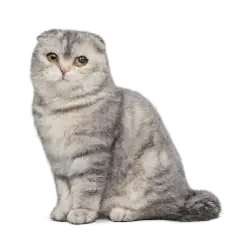
Species principle: Self-Chosen Rhythm
Choose the rhythm.
Independence is not isolation; it is rhythm chosen with awareness.
Domestic cats conserve energy, observe carefully, and choose when to approach, play, hunt, or withdraw.
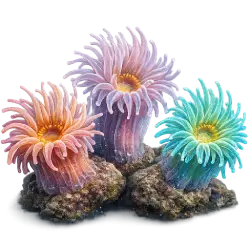
Species principle: Patience
Rooted, not passive.
Receptivity works best when paired with boundaries.
Sea anemones are mostly stationary cnidarians that use stinging tentacles to capture prey and defend themselves.

Species principle: Self-Chosen Rhythm
Choose the rhythm.
Independence is not isolation; it is rhythm chosen with awareness.
Domestic cats conserve energy, observe carefully, and choose when to approach, play, hunt, or withdraw.
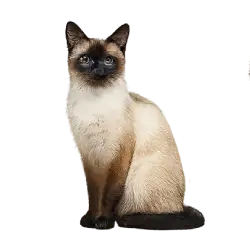
Species principle: Self-Chosen Rhythm
Choose the rhythm.
Independence is not isolation; it is rhythm chosen with awareness.
Domestic cats conserve energy, observe carefully, and choose when to approach, play, hunt, or withdraw.
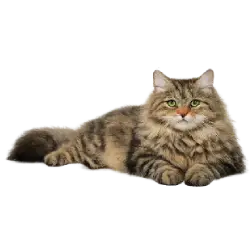
Species principle: Self-Chosen Rhythm
Choose the rhythm.
Independence is not isolation; it is rhythm chosen with awareness.
Domestic cats conserve energy, observe carefully, and choose when to approach, play, hunt, or withdraw.
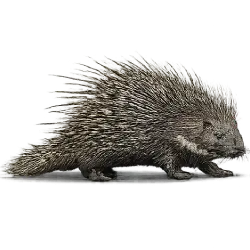
Species principle: Defense
Raise the quills.
When protection is built into you, you can move without asking permission.
Southern African Porcupines are nocturnal rodents with long defensive quills. When threatened, they raise and rattle quills, back toward danger, and make themselves difficult to attack.
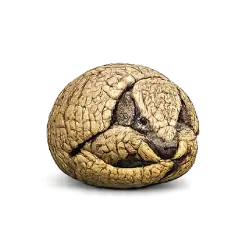
Species principle: Closure
Close the shell.
Some problems are solved by becoming impossible to open.
Southern Three-banded Armadillos are among the armadillos able to roll completely into a tight armored ball when threatened, protecting soft parts inside.
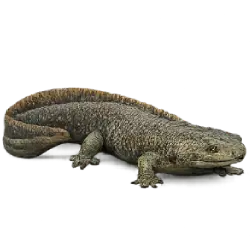
Species principle: Internal Defense
Raise the ribs.
A flexible defender can turn its own frame into a warning.
Spanish Ribbed Newts can push rib tips through the skin as a defensive mechanism, aided by toxin-bearing skin secretions when threatened.
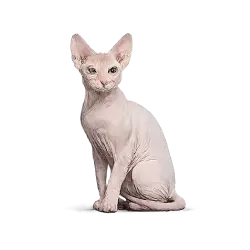
Species principle: Self-Chosen Rhythm
Choose the rhythm.
Independence is not isolation; it is rhythm chosen with awareness.
Domestic cats conserve energy, observe carefully, and choose when to approach, play, hunt, or withdraw.
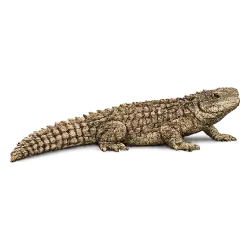
Species principle: Protected Rest
Rest behind thorns.
Strong protection lets the body rest without surrendering awareness.
Spiny-tailed Lizards, or Uromastyx, bask to regulate temperature and use spiny tails and burrows or crevices for defense in arid habitats.
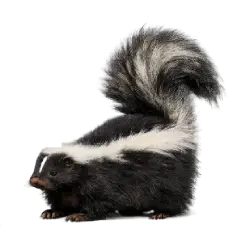
Species principle: Boundary
Warn before war.
The cleanest conflict is the one your warning prevents.
Striped Skunks usually warn before spraying. Tail raising, stamping, posture, and their bold stripe pattern give threats a chance to retreat before the skunk uses chemical defense.

Species principle: Independence
Choose your own rhythm.
Move on your own terms.
Cats conserve energy, observe carefully, and choose when to engage.

Species principle: Self-Chosen Rhythm
Choose the rhythm.
Independence is not isolation; it is rhythm chosen with awareness.
Domestic cats conserve energy, observe carefully, and choose when to approach, play, hunt, or withdraw.

Species principle: Self-Chosen Rhythm
Choose the rhythm.
Independence is not isolation; it is rhythm chosen with awareness.
Domestic cats conserve energy, observe carefully, and choose when to approach, play, hunt, or withdraw.
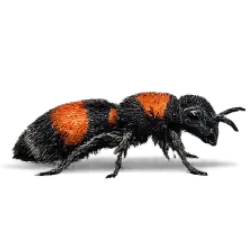
Species principle: Aposematism
Wear the warning.
Bright warning saves energy by teaching the world not to touch.
Velvet Ants are wingless female wasps with bright warning coloration, tough bodies, stridulation, and powerful stings that deter predators.
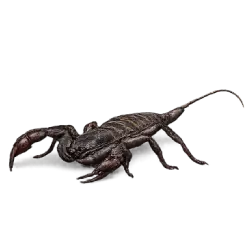
Species principle: Repulsion
Leave the warning.
A boundary can be remembered by the scent it leaves behind.
Vinegaroons are whip scorpions that defend themselves by spraying acetic acid-like fluid, producing a vinegar smell that deters predators.
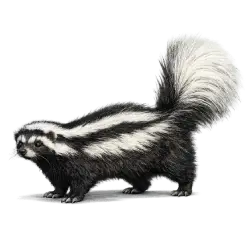
Species principle: Warning
Show the stripe.
A clear signal can end trouble before strength is tested.
Zorillas, also called striped polecats, use bold black-and-white warning coloration and powerful anal scent glands to deter predators before direct conflict is needed.