

Fiddler Crab
Species principle: Signal
Signal clearly.
Clear signals reduce wasted conflict and attract the right attention.
Male fiddler crabs use enlarged claws in waving displays for communication, courtship, and territorial contests.
Animal Qualities
Signal clearly.
Animals grouped here express a similar quality through their behavior in nature. Each species still has its own principle, lesson, meaning, and field-guide page.
54 species
Species principle: Signal
Signal clearly.
Clear signals reduce wasted conflict and attract the right attention.
Male fiddler crabs use enlarged claws in waving displays for communication, courtship, and territorial contests.

Species principle: Wise Retreat
Fold the shell shut.
Retreat can be strength when the closing is complete.
Indochinese Box Turtles have hinged plastrons that allow them to close the shell tightly for defense against predators.

Species principle: Tongue Display
Show blue first.
A clear signal can defend space without escalation.
Indonesian Blue-tongued Skinks use a vivid blue tongue display as a defensive warning, along with sturdy bodies and calm movement.

Species principle: Inflated Defense
Expand the boundary.
A small body can win space by changing the terms of attack.
Long-spined Porcupinefish inflate and use spines as defenses against predators.

Species principle: Spine Radius
Guard all around.
Boundaries can be quiet, constant, and built into the body.
Long-spined Sea Urchins use long spines for defense and shelter while grazing and moving slowly over reef surfaces.

Species principle: Self-Chosen Rhythm
Choose the rhythm.
Independence is not isolation; it is rhythm chosen with awareness.
Domestic cats conserve energy, observe carefully, and choose when to approach, play, hunt, or withdraw.
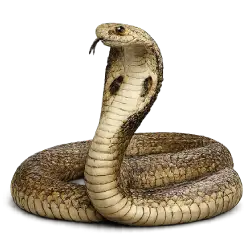
Species principle: Hooded Warning
Show the hood.
A clear warning can end a fight before it begins.
Monocled Cobras raise the body, spread a hood with a monocle-like marking, and use venomous defense when threatened.
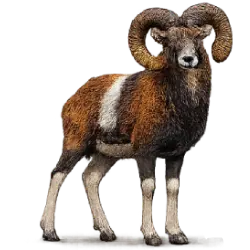
Species principle: Horn Boundary
Hold the horn line.
A strong boundary can prevent a contest from becoming chaos.
Mouflon males have large curved horns used in dominance contests, while sure-footed bodies help them move through rocky hills and slopes.

Species principle: Silent Grace
Grace guards.
Elegance can hold a boundary quietly but firmly.
Mute Swans are large graceful waterbirds known for pair bonds, territorial defense, and mostly quiet presence.
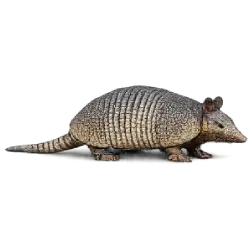
Species principle: Armoring
Work under armor.
Protection lets the quiet worker keep going under pressure.
Nine-banded Armadillos have bony armor plates and strong claws used for digging burrows and foraging for insects and other small food close to the ground.
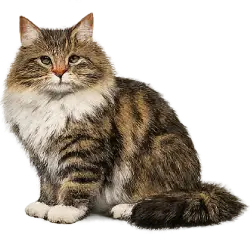
Species principle: Self-Chosen Rhythm
Choose the rhythm.
Independence is not isolation; it is rhythm chosen with awareness.
Domestic cats conserve energy, observe carefully, and choose when to approach, play, hunt, or withdraw.

Species principle: Warning Flash
Flash the fire.
A clear warning can stop danger before contact.
Oriental Fire-bellied Toads display bright orange-red undersides in a defensive posture called the unken reflex, warning predators of toxins.

Species principle: Self-Chosen Rhythm
Choose the rhythm.
Independence is not isolation; it is rhythm chosen with awareness.
Domestic cats conserve energy, observe carefully, and choose when to approach, play, hunt, or withdraw.
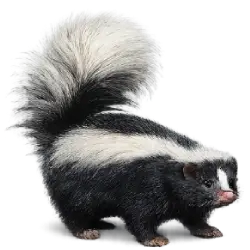
Species principle: Digging Deterrence
Dig with a warning.
Steady work stays safer when the warning is clear.
Patagonian Hog-nosed Skunks use strong snouts and claws for digging and chemical spray as a defensive deterrent against predators.

Species principle: Soft Boundaries
Gentle but clear.
Kindness works better when it has boundaries.
Persian cats are calm companion animals known for selective affection, quiet routines, grooming needs, and indoor comfort.
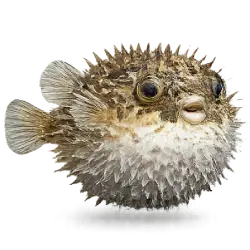
Species principle: Inflation
Become too large.
Expand the boundary until danger cannot swallow you.
Pufferfish inflate their bodies by taking in water or air when threatened, increasing apparent size and making themselves harder for predators to eat; many species also carry toxins.

Species principle: Pocket Territory
Guard the pocket.
A compact boundary can be powerful when it is clear and consistently held.
Red Devil Crabs are small terrestrial or semi-terrestrial crabs often associated with narrow humid territories and shelter spaces.
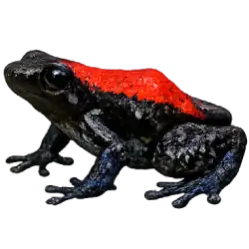
Species principle: Red Aposematism
Warn in red.
A clear color can say no before danger comes close.
Red-backed Poison Frogs use bright warning coloration associated with skin toxins, signaling to predators that they are dangerous or unpleasant to eat.