AnimalDex
en
Back to Qualities

Animal Qualities

Canopy life

Watch the hidden water.

Animals grouped here express a similar quality through their behavior in nature. Each species still has its own principle, lesson, meaning, and field-guide page.

21 species

Amazon Milk Frog (Trachycephalus resinifictrix) thumbnail image on AnimalDex

Amazon Milk Frog

Species principle: Canopy Vigilance

Watch the hidden water.

Awareness deepens when the watcher knows where hidden water lives.

Amazon Milk Frogs are arboreal frogs that breed in water-filled tree holes and use adhesive toe pads, large eyes, and defensive secretions in the canopy.
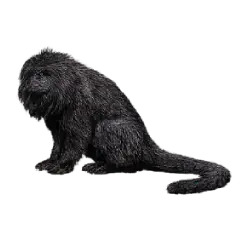
Black Howler Monkey (Alouatta caraya) thumbnail image on AnimalDex

Black Howler Monkey

Species principle: Canopy Resonance

Boom through leaves.

A voice can hold territory without rushing the body.

Black Howler Monkeys use enlarged hyoid bones to produce loud calls that carry through forest canopy, helping maintain spacing and social communication.

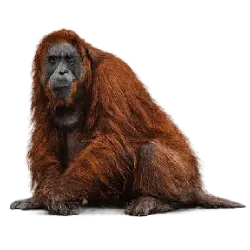
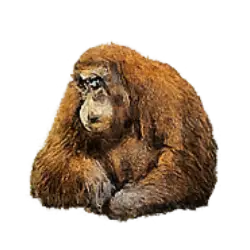
Bornean Orangutan (Pongo pygmaeus) thumbnail image on AnimalDex

Bornean Orangutan

Species principle: Nestcraft

Build the night bed.

Home becomes a practice when it is built again with intention.

Bornean Orangutans build sleeping nests in trees using branches and leaves, often making new nests regularly while traveling and foraging in the canopy.

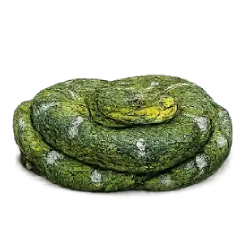
Emerald Tree Boa (Corallus caninus) thumbnail image on AnimalDex

Emerald Tree Boa

Species principle: Branch Patience

Coil into green.

Patience deepens when the body becomes part of the branch.

Emerald Tree Boas coil over branches in rainforest canopies and use stillness, camouflage, and ambush strikes to capture prey.

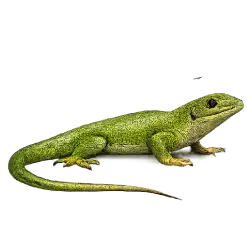
Emerald Tree Skink (Lamprolepis smaragdina) thumbnail image on AnimalDex

Emerald Tree Skink

Species principle: Invitation

Greet the branch.

A bright presence can make the branches feel open.

Emerald Tree Skinks are active arboreal lizards with bright green coloration and quick climbing behavior through trunks and branches in tropical habitats.

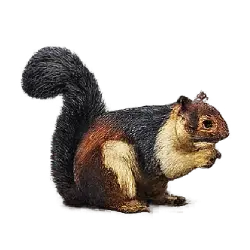
Giant Malabar Squirrel animal lesson image on AnimalDex

Giant Malabar Squirrel

Species principle: Canopy Balance

Leap in color.

Bright motion stays powerful when balance carries it branch to branch.

Giant Malabar Squirrels are large colorful tree squirrels that leap through forest canopies using strong limbs and long tails for balance.

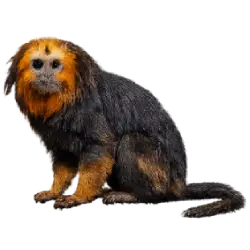
Golden-headed Lion Tamarin (Leontopithecus chrysomelas) thumbnail image on AnimalDex

Golden-headed Lion Tamarin

Species principle: Golden Kinship

Carry the golden young.

Bright energy lasts when the family carries the work together.

Golden-headed Lion Tamarins live in family groups and use cooperative care, including shared infant carrying, while foraging in Atlantic Forest canopies.

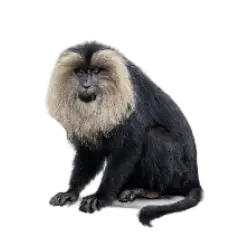
Lion-tailed Macaque (Macaca silenus) thumbnail image on AnimalDex

Lion-tailed Macaque

Species principle: Canopy Intelligence

Think through the canopy.

A sharp mind climbs best when it stays close to its kin.

Lion-tailed Macaques live in social groups in wet evergreen forests, using clever foraging behavior, vocal communication, and canopy movement.

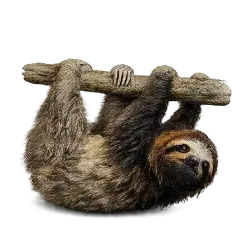
Maned Sloth animal lesson image on AnimalDex

Maned Sloth

Species principle: Canopy Patience

Cling slowly.

A gentle pace can fit a complex world when every grip is deliberate.

Maned Sloths are slow-moving arboreal mammals that cling to forest branches with curved claws and feed on leaves in Atlantic Forest habitats.

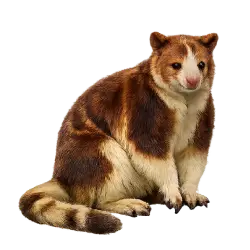
Matschie's Tree Kangaroo (Dendrolagus matschiei) thumbnail image on AnimalDex

Matschie's Tree Kangaroo

Species principle: Body Reimagined

Take the body upward.

An old design can find a new direction when it learns the trees.

Matschie’s Tree Kangaroos are arboreal marsupials with strong forelimbs, gripping paws, and long tails that help them climb and move through cloud forest trees.

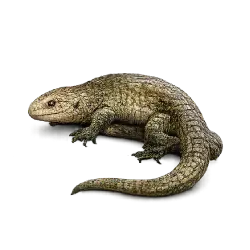
Monkey-tailed Skink (Corucia zebrata) thumbnail image on AnimalDex

Monkey-tailed Skink

Species principle: Grasp

Grip the branch.

A strong grip opens a vertical world.

Monkey-tailed Skinks are large arboreal lizards with prehensile tails and strong claws, feeding largely on leaves in forest canopies.

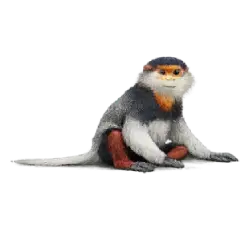
Red-shanked Douc (Pygathrix nemaeus) thumbnail image on AnimalDex

Red-shanked Douc

Species principle: Color Composure

Stay bright and calm.

Brightness becomes stronger when it travels with calm control.

Red-shanked Doucs are brightly colored arboreal primates that live in social groups and feed largely on leaves in forest canopies.

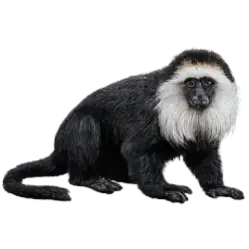
Roloway Monkey animal lesson image on AnimalDex

Roloway Monkey

Species principle: Canopy Cohesion

Signal through leaves.

A group holds together when its signals are visible through the leaves.

Roloway Monkeys are arboreal primates that live in social groups and move through forest canopy. Their striking facial markings and calls support recognition and group coordination.

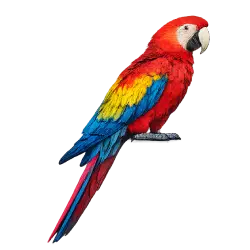
Scarlet Macaw (Ara macao) thumbnail image on AnimalDex

Scarlet Macaw

Species principle: Colorful Labor

Work in color.

Bright color can still belong to practical work.

Scarlet Macaws use powerful curved bills to crack nuts and seeds while moving through rainforest canopies in pairs or flocks, showing vivid red, yellow, and blue plumage.

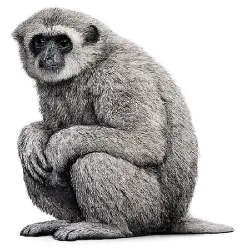
Silvery Gibbon animal lesson image on AnimalDex

Silvery Gibbon

Species principle: Canopy Song

Sing through branches.

A voice travels farther when the body is built for open branches.

Silvery Gibbons move through forest canopies by brachiation and use loud calls to communicate, maintain pair bonds, and mark territories.

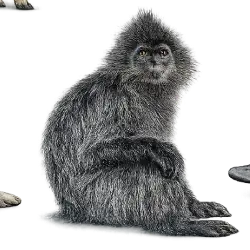
Silvery Lutung (Trachypithecus cristatus) thumbnail image on AnimalDex

Silvery Lutung

Species principle: Dietary Fit

Fit the leaf.

A narrow diet becomes strength when the body is built for it.

Silvery Lutungs are leaf-eating primates with digestive adaptations for processing foliage and social arboreal lives in mangroves and forests.

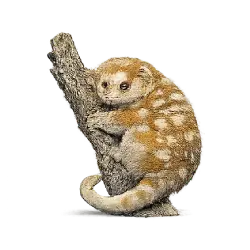
Spotted Cuscus (Spilocuscus maculatus) thumbnail image on AnimalDex

Spotted Cuscus

Species principle: Slow Grip

Clasp the branch.

Slow movement sees what hurried bodies pass beneath.

Spotted Cuscuses are nocturnal arboreal marsupials with strong gripping paws and slow deliberate movement through forest canopies.

Sumatran Orangutan (Pongo abelii) thumbnail image on AnimalDex

Sumatran Orangutan

Species principle: Canopy Thought

Think in branches.

Careful thought shapes the world one branch at a time.

Sumatran Orangutans are intelligent arboreal apes known for tool use, complex foraging behavior, and regular nest building in rainforest canopies.

Explore related indexes