AnimalDex
en
Back to Qualities

Animal Qualities

Clear Communication

Hum before alarm.

Animals grouped here express a similar quality through their behavior in nature. Each species still has its own principle, lesson, meaning, and field-guide page.

21 species

Alpaca (Vicugna pacos) thumbnail image on AnimalDex

Alpaca

Species principle: Reassurance

Hum before alarm.

A quiet signal can keep the whole group from drifting into fear.

Alpacas use humming and other vocalizations to maintain contact, express concern, and communicate within the herd. These calls support social cohesion and alertness.
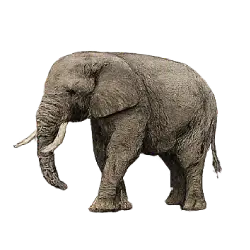

Asian Elephant (Elephas maximus) thumbnail image on AnimalDex

Asian Elephant

Species principle: Memory Path

Remember the water.

The herd survives because someone remembers where water was.

Asian Elephants live in social groups with complex memory, communication, and learned movement routes to water, food, and shelter across changing landscapes.

Beluga Whale (Delphinapterus leucas) thumbnail image on AnimalDex

Beluga Whale

Species principle: Vocal Flexibility

Sing through ice.

A flexible voice finds more than one way through the cold.

Beluga Whales are highly vocal Arctic whales known for clicks, whistles, chirps, echolocation, flexible necks, and social communication in cold waters.

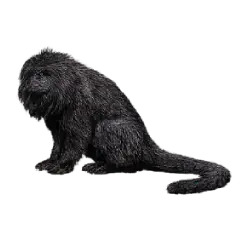
Black Howler Monkey (Alouatta caraya) thumbnail image on AnimalDex

Black Howler Monkey

Species principle: Canopy Resonance

Boom through leaves.

A voice can hold territory without rushing the body.

Black Howler Monkeys use enlarged hyoid bones to produce loud calls that carry through forest canopy, helping maintain spacing and social communication.

Budgerigar animal lesson image on AnimalDex

Budgerigar

Species principle: Social Mimicry

Echo the flock.

Connection grows when listening turns into shared language.

Budgerigars are highly social parrots capable of vocal learning, flock bonding, and responsive communication.

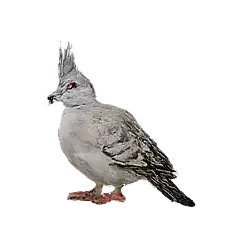
Crested Pigeon (Ocyphaps lophotes) thumbnail image on AnimalDex

Crested Pigeon

Species principle: Alarm

Whistle upward.

One sudden sound can move the whole group before danger lands.

Crested Pigeons have modified wing feathers that produce loud whistling sounds during takeoff. These sounds can alert nearby birds to possible danger.

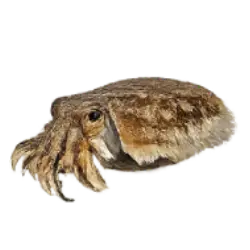
Cuttlefish (Sepiida) thumbnail image on AnimalDex

Cuttlefish

Species principle: Transformation

Change the skin.

Change your surface when the moment asks for another language.

Cuttlefish use chromatophores and other skin structures to rapidly change color, pattern, and texture for camouflage, communication, hunting, and defense.

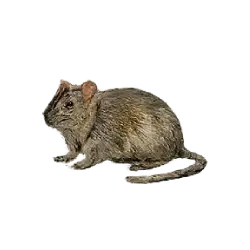
Degu (Octodon degus) thumbnail image on AnimalDex

Degu

Species principle: Daylight Trust

Trust the colony.

A hard place becomes livable when trust has tunnels and voices.

Degus are social, diurnal rodents that live in burrow systems, use vocal communication, and cooperate in colonies in dry Chilean habitats.

Eclectus Parrot animal lesson image on AnimalDex

Eclectus Parrot

Species principle: Color Contrast

Show the contrast.

Identity can be strengthened when contrast is visible instead of hidden.

Eclectus Parrots are sexually dimorphic parrots with striking color differences and strong social communication.

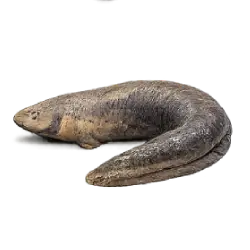
Electric Eel (Electrophorus electricus) thumbnail image on AnimalDex

Electric Eel

Species principle: Voltage

Charge the water.

Hidden charge changes the whole water around it.

Electric Eels generate electric discharges for sensing, communication, defense, and stunning prey in murky freshwater habitats.

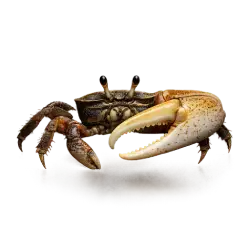
Fiddler Crab animal lesson image on AnimalDex

Fiddler Crab

Species principle: Fiddler Crab · Signal

Signal clearly.

Clear signals reduce wasted conflict and attract the right attention.

Male fiddler crabs use enlarged claws in waving displays for communication, courtship, and territorial contests.

Firefly (Lampyridae) thumbnail image on AnimalDex

Firefly

Species principle: Timed Glow

Glow on time.

A small signal becomes powerful when timing and darkness align.

Fireflies use bioluminescent flashing patterns for communication and mate attraction.

Gray Wolf animal lesson image on AnimalDex

Gray Wolf

Species principle: Cooperation

Together we go further.

Together, the group can do what one animal cannot.

Wolves hunt, raise young, and defend territory through coordinated pack behavior.

House Cricket animal lesson image on AnimalDex

House Cricket

Species principle: Hearth Rhythm

Chirp the rhythm.

Daily rhythm can turn a small voice into a familiar anchor.

House Crickets live around warm human spaces and use repeated chirping calls for communication.

Indri (Indri indri) thumbnail image on AnimalDex

Indri

Species principle: Songbound Motion

Leap with song.

Movement becomes memory when the forest can hear it.

Indris are large lemurs that leap between trees and use loud, haunting songs for territorial and social communication in Madagascar forests.

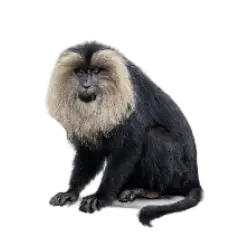
Lion-tailed Macaque (Macaca silenus) thumbnail image on AnimalDex

Lion-tailed Macaque

Species principle: Canopy Intelligence

Think through the canopy.

A sharp mind climbs best when it stays close to its kin.

Lion-tailed Macaques live in social groups in wet evergreen forests, using clever foraging behavior, vocal communication, and canopy movement.

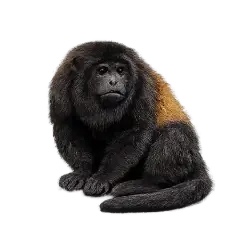
Mantled Howler Monkey (Alouatta palliata) thumbnail image on AnimalDex

Mantled Howler Monkey

Species principle: Distant Presence

Let presence travel.

Presence does not always need proximity; it can travel as sound.

Mantled Howler Monkeys have enlarged hyoid bones that enable loud calls carrying through forest canopy, supporting group spacing and communication.

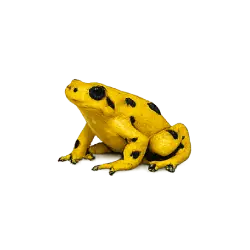
Panamanian Golden Frog (Atelopus zeteki) thumbnail image on AnimalDex

Panamanian Golden Frog

Species principle: Gesture Signaling

Wave above the noise.

When one message is drowned out, the body can become the signal.

Panamanian Golden Frogs use visual semaphore-like hand and foot waving, especially useful near noisy streams where calls may be masked.

Explore related indexes