AnimalDex
en
Back to Qualities

Animal Qualities

Color Signal

Change stages.

Animals grouped here express a similar quality through their behavior in nature. Each species still has its own principle, lesson, meaning, and field-guide page.

21 species

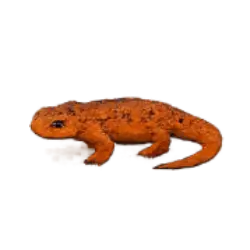
Eastern Newt (Notophthalmus viridescens) thumbnail image on AnimalDex

Eastern Newt

Species principle: Metamorphosis

Change stages.

Growing up may require a new color, a new road, and a new body of water.

Eastern Newts have a complex life cycle that can include aquatic larvae, a terrestrial red eft stage, and aquatic adults, shifting habitat, color, and behavior across stages.

Eclectus Parrot animal lesson image on AnimalDex

Eclectus Parrot

Species principle: Color Contrast

Show the contrast.

Identity can be strengthened when contrast is visible instead of hidden.

Eclectus Parrots are sexually dimorphic parrots with striking color differences and strong social communication.

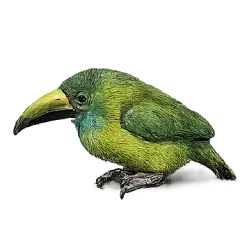
Emerald Toucanet (Aulacorhynchus prasinus) thumbnail image on AnimalDex

Emerald Toucanet

Species principle: Careful Color

Work in green.

Brightness does not replace skill; it carries it.

Emerald Toucanets use large curved bills to pluck and handle fruit in forest canopies while their green plumage blends with foliage.

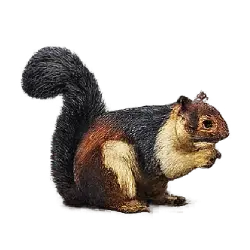
Giant Malabar Squirrel animal lesson image on AnimalDex

Giant Malabar Squirrel

Species principle: Canopy Balance

Leap in color.

Bright motion stays powerful when balance carries it branch to branch.

Giant Malabar Squirrels are large colorful tree squirrels that leap through forest canopies using strong limbs and long tails for balance.

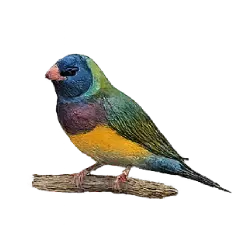
Gouldian Finch (Erythrura gouldiae) thumbnail image on AnimalDex

Gouldian Finch

Species principle: Small Brilliance

Flash the seedlight.

A tiny body can still carry color bright enough to be remembered.

Gouldian Finches are small seed-eating finches of northern Australian grasslands, known for vivid plumage and social flocking around grass seed resources.

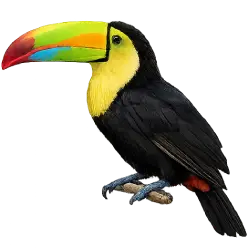
Keel-billed Toucan (Ramphastos sulfuratus) thumbnail image on AnimalDex

Keel-billed Toucan

Species principle: Color Utility

Use the rainbow.

A bright gift is strongest when it also does real work.

Keel-billed Toucans use large colorful bills to reach fruit, handle food, display, and help manage heat in tropical canopies.

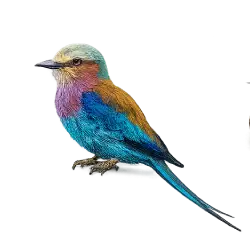
Lilac-breasted Roller (Coracias caudatus) thumbnail image on AnimalDex

Lilac-breasted Roller

Species principle: Flourish

Roll through color.

A life can announce itself through color, motion, and sky.

Lilac-breasted Rollers are brightly colored birds known for rolling aerial display flights, especially during courtship and territorial behavior in open savannah habitats.

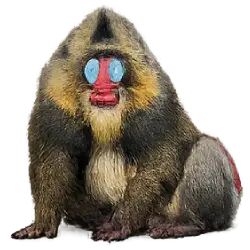
Mandrill (Mandrillus sphinx) thumbnail image on AnimalDex

Mandrill

Species principle: Dominant Color

Wear the signal.

A face can become a flag when the body has something to declare.

Mandrills show bright facial and rump coloration, especially in dominant males, and use visual signals, canine display, and social hierarchy in group life.

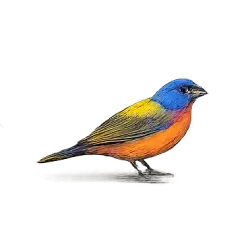
Painted Bunting (Passerina ciris) thumbnail image on AnimalDex

Painted Bunting

Species principle: Painted Utility

Sing in color.

Usefulness and beauty can share the same body.

Painted buntings combine intense male coloration with seed feeding and song in dense brush habitats.

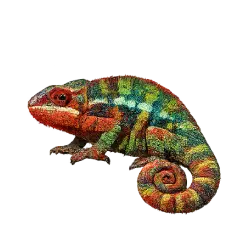
Panther Chameleon (Furcifer pardalis) thumbnail image on AnimalDex

Panther Chameleon

Species principle: Chameleon Aim

Aim before motion.

Careful aim beats frantic motion.

Panther Chameleons use independently moving eyes, grasping feet, color signaling, and a fast projectile tongue to capture prey from branches.

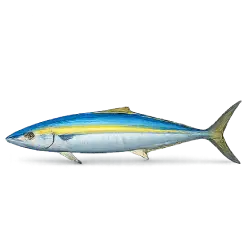
Rainbow Runner (Elagatis bipinnulata) thumbnail image on AnimalDex

Rainbow Runner

Species principle: Color Speed

Race in color.

Joy and speed can share the same bright body.

Rainbow Runners are fast pelagic fish with streamlined bodies and vivid stripes, pursuing prey in warm open-ocean waters.

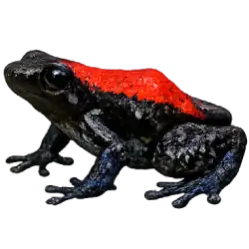
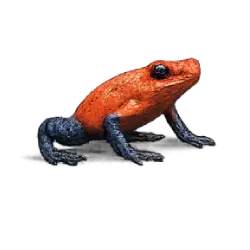
Red-backed Poison Frog (Ranitomeya reticulata) thumbnail image on AnimalDex

Red-backed Poison Frog

Species principle: Red Aposematism

Warn in red.

A clear color can say no before danger comes close.

Red-backed Poison Frogs use bright warning coloration associated with skin toxins, signaling to predators that they are dangerous or unpleasant to eat.

Red-shanked Douc (Pygathrix nemaeus) thumbnail image on AnimalDex

Red-shanked Douc

Species principle: Color Composure

Stay bright and calm.

Brightness becomes stronger when it travels with calm control.

Red-shanked Doucs are brightly colored arboreal primates that live in social groups and feed largely on leaves in forest canopies.

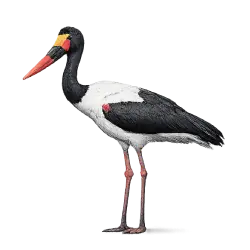
Saddle-billed Stork (Ephippiorhynchus senegalensis) thumbnail image on AnimalDex

Saddle-billed Stork

Species principle: Striking Work

Work with a colored bill.

Beauty does not weaken the work when both know their place.

Saddle-billed Storks are tall wetland birds with large colorful bills, long legs, and patient stalking behavior used to catch fish, frogs, and other aquatic prey.

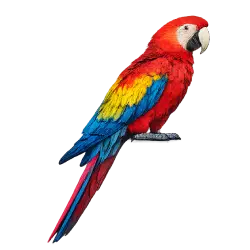
Scarlet Macaw (Ara macao) thumbnail image on AnimalDex

Scarlet Macaw

Species principle: Colorful Labor

Work in color.

Bright color can still belong to practical work.

Scarlet Macaws use powerful curved bills to crack nuts and seeds while moving through rainforest canopies in pairs or flocks, showing vivid red, yellow, and blue plumage.

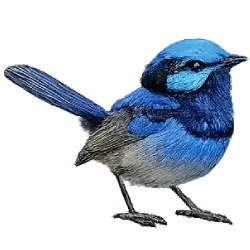
Splendid Fairywren (Malurus splendens) thumbnail image on AnimalDex

Splendid Fairywren

Species principle: Spark

Flash the blue.

A small body can change the field when its color refuses to disappear.

Male Splendid Fairywrens develop vivid blue breeding plumage and move actively through scrub with cocked tails and quick hops. Their color and display behavior help them stand out during social and courtship activity.

Stoat (Mustela erminea) thumbnail image on AnimalDex

Stoat

Species principle: Seasonal Shift

Wear the season.

Change your covering when the world changes its color.

Stoats in colder regions molt from a brown summer coat to a white winter coat called ermine, helping them blend into snowy environments while hunting through tunnels and cover.

Strawberry Poison Dart Frog (Oophaga pumilio) thumbnail image on AnimalDex

Strawberry Poison Dart Frog

Species principle: Strawberry Warning

Wear the red.

Make danger understand early.

Strawberry poison dart frogs use bright aposematic coloration to warn predators of chemical defenses.

Explore related indexes