AnimalDex
en
Back to Qualities

Animal Qualities

Confident Display

Raise the sail.

Animals grouped here express a similar quality through their behavior in nature. Each species still has its own principle, lesson, meaning, and field-guide page.

24 species

Amboina Sailfin Lizard animal lesson image on AnimalDex

Amboina Sailfin Lizard

Species principle: Amboina Sailfin Lizard · Crested Display

Raise the sail.

Visible confidence can turn vulnerability into presence.

Amboina Sailfin Lizards have prominent sail-like crests and are strong swimmers that use display, size, and habitat movement.
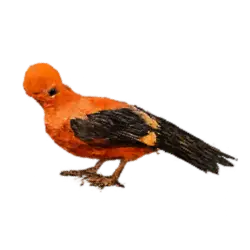
Andean Cock-of-the-rock (Rupicola peruvianus) thumbnail image on AnimalDex

Andean Cock-of-the-rock

Species principle: Lek Display

Enter the lek.

Be visible where the right audience gathers.

Andean cock-of-the-rock males gather at leks and use bright crests, calls, and displays to attract mates.

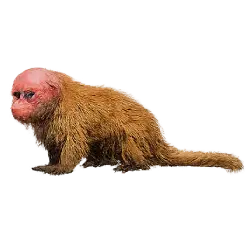
Bald Uakari (Cacajao calvus) thumbnail image on AnimalDex

Bald Uakari

Species principle: Unforgettable Signal

Wear the red signal.

The feature others cannot ignore can become your signature.

Bald Uakaris have striking red faces linked to health and social signaling, and they move through Amazonian flooded forests in groups.

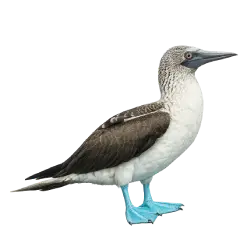
Blue-footed Booby (Sula nebouxii) thumbnail image on AnimalDex

Blue-footed Booby

Species principle: Blue-Foot Signal

Show the blue.

A visible signature becomes strength when it honestly signals vitality.

Blue-footed Boobies use bright blue feet in courtship displays; foot color is linked to condition, and they also plunge-dive for fish.

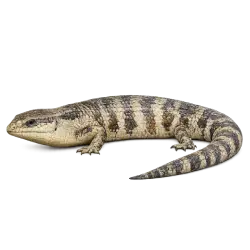
Blue-tongued Skink (Tiliqua scincoides) thumbnail image on AnimalDex

Blue-tongued Skink

Species principle: Bluff

Flash the tongue.

A sudden signal can end a fight before it begins.

Blue-tongued Skinks use a bright blue tongue display, body flattening, hissing, and open-mouth postures to startle or warn predators when threatened.

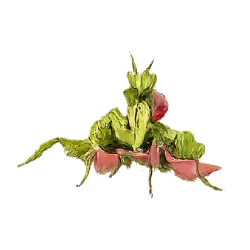
Devil's Flower Mantis (Idolomantis diabolica) thumbnail image on AnimalDex

Devil's Flower Mantis

Species principle: Deceptive Beauty

Hide in bloom.

Beauty can be a doorway into danger when the hunter wears petals.

Devil’s Flower Mantises use flower-like shapes, cryptic coloration, threat displays, and ambush predation to attract or surprise prey while deterring enemies.

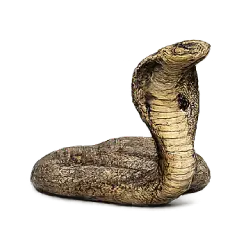
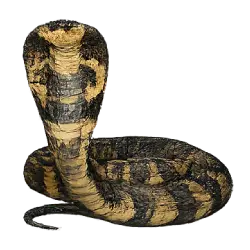
Egyptian Cobra (Naja haje) thumbnail image on AnimalDex

Egyptian Cobra

Species principle: Hood Warning

Raise the line.

Make the line visible before conflict grows.

Egyptian cobras raise the front body and spread a hood as a warning display before striking or retreating.

False Water Cobra (Hydrodynastes gigas) thumbnail image on AnimalDex

False Water Cobra

Species principle: Hood Bluff

Widen the warning.

A well-timed warning can make danger hesitate before force is needed.

False Water Cobras flatten the neck in a cobra-like display and use size, movement, and rear-fanged venom as part of their defensive and predatory strategy.

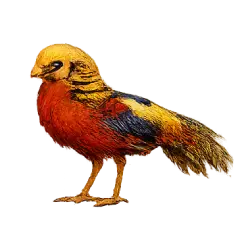
Golden Pheasant (Chrysolophus pictus) thumbnail image on AnimalDex

Golden Pheasant

Species principle: Radiance

Show when it matters.

Visibility has power when it is saved for the moment it can change fate.

Male Golden Pheasants are known for vivid ornamental plumage used in courtship display. Their bright crest, cape, body colors, and long tail make display central to their reproductive behavior.

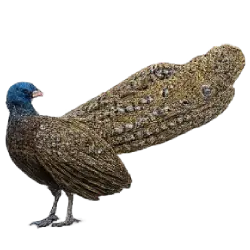
Great Argus (Argusianus argus) thumbnail image on AnimalDex

Great Argus

Species principle: Eyespot Theater

Open the stage.

A hidden forest floor can become a stage when the display is complete.

Male Great Argus pheasants clear display courts and show huge wings covered with eye-like spots during elaborate courtship displays.

Indonesian blue-tongued skink animal lesson image on AnimalDex

Indonesian blue-tongued skink

Species principle: Tongue Display

Show blue first.

A clear signal can defend space without escalation.

Indonesian Blue-tongued Skinks use a vivid blue tongue display as a defensive warning, along with sturdy bodies and calm movement.

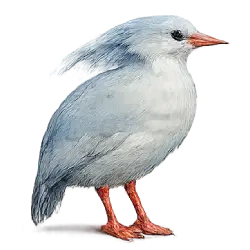
Kagu (Rhynochetos jubatus) thumbnail image on AnimalDex

Kagu

Species principle: Crested Display

Raise the ghost wings.

A quiet walker can still become dramatic when the moment asks.

Kagu are flightless forest birds of New Caledonia that use crest raising, wing displays, and ground movement during courtship and territorial or threat behavior.

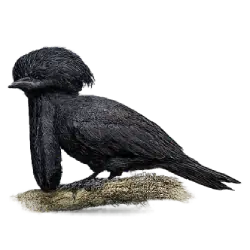
Long-wattled Umbrellabird (Cephalopterus penduliger) thumbnail image on AnimalDex

Long-wattled Umbrellabird

Species principle: Presentation

Make the body the message.

The message changes when the whole body becomes the signal.

Male Long-wattled Umbrellabirds have large crests and long throat wattles used in dramatic courtship displays and booming calls.

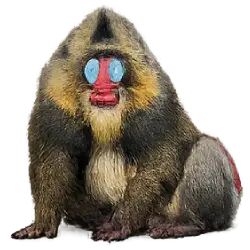
Mandrill (Mandrillus sphinx) thumbnail image on AnimalDex

Mandrill

Species principle: Dominant Color

Wear the signal.

A face can become a flag when the body has something to declare.

Mandrills show bright facial and rump coloration, especially in dominant males, and use visual signals, canine display, and social hierarchy in group life.

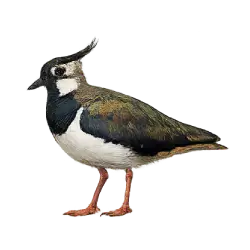
Northern Lapwing (Vanellus vanellus) thumbnail image on AnimalDex

Northern Lapwing

Species principle: Display Flight

Tumble the sky.

Joy becomes visible when the body writes loops in the air.

Northern Lapwings perform dramatic aerial display flights with rolling, tumbling, and calling over open fields and breeding territories.

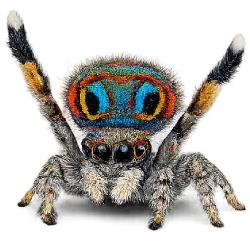
Peacock Spider (Maratus volans) thumbnail image on AnimalDex

Peacock Spider

Species principle: Tiny Spectacle

Dance the color.

A small stage can still hold a whole universe of display.

Male Peacock Spiders raise colorful abdominal flaps and perform precise courtship dances with leg movements and vibrations to attract females.

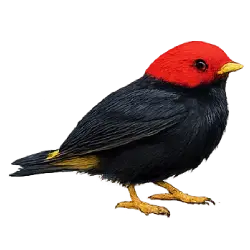
Red-capped Manakin (Ceratopipra mentalis) thumbnail image on AnimalDex

Red-capped Manakin

Species principle: Courtship Precision

Moonwalk the branch.

A tiny stage becomes unforgettable when every step has intent.

Male Red-capped Manakins perform rapid courtship displays, including a moonwalk-like sliding dance on branches in the rainforest understory.

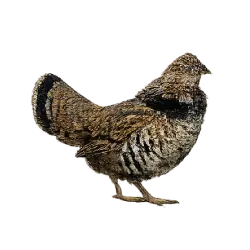
Ruffed Grouse (Bonasa umbellus) thumbnail image on AnimalDex

Ruffed Grouse

Species principle: Signal

Drum from cover.

Even a hidden life can send a message through the forest.

Male Ruffed Grouse produce a low drumming sound by rapidly beating their wings, usually from a log or display site, to advertise territory and attract mates.

Explore related indexes