AnimalDex
en
Back to Qualities

Animal Qualities

Conservation

Spend slowly in heat.

Animals grouped here express a similar quality through their behavior in nature. Each species still has its own principle, lesson, meaning, and field-guide page.

15 species

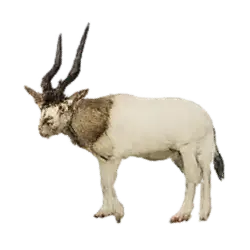
Addax (Addax nasomaculatus) thumbnail image on AnimalDex

Addax

Species principle: Desert Sparing

Spend slowly in heat.

Hard heat rewards the body that spends slowly.

Addax are desert antelope adapted to extreme aridity, with pale coats, broad hooves, and the ability to survive long periods with little free water.
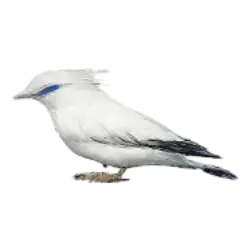
Bali Myna (Leucopsar rothschildi) thumbnail image on AnimalDex

Bali Myna

Species principle: Protected Beauty

Guard the white jewel.

Rare beauty becomes sacred when it can disappear from the world.

Bali Mynas are critically rare island birds with white plumage, crests, and blue facial skin, heavily dependent on conservation and protected habitat.

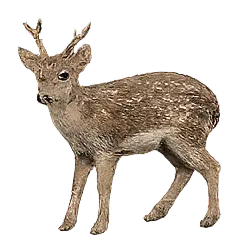
Bawean Deer (Axis kuhlii) thumbnail image on AnimalDex

Bawean Deer

Species principle: Island Rarity

Guard the small island.

Small places can hold lives found nowhere else.

Bawean Deer are restricted to Bawean Island and depend on remaining forest and scrub habitats for survival.

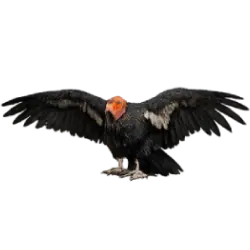
California Condor (Gymnogyps californianus) thumbnail image on AnimalDex

California Condor

Species principle: Restoration Flight

Return to the sky.

A giant can return when enough sky is kept open for it.

California Condors are enormous cliff-nesting scavengers that soar long distances on thermals and have been brought back from near extinction through conservation programs.

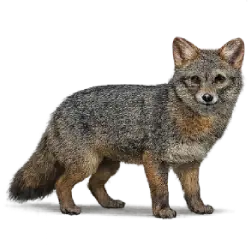
Darwin's Fox animal lesson image on AnimalDex

Darwin's Fox

Species principle: Rare Place

Guard the rare place.

Some lives can only remain themselves when the rare place remains whole.

Darwin’s Fox is a rare canid restricted to limited forest habitats in Chile, including Chiloé Island and parts of mainland temperate rainforest.

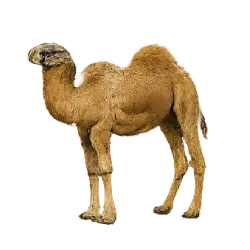
Dromedary Camel (Camelus dromedarius) thumbnail image on AnimalDex

Dromedary Camel

Species principle: Fortitude

Cross the heat.

Hard places are crossed by the body built to conserve what matters.

Dromedary Camels are adapted for desert travel with humps storing fat, tolerance for dehydration, wide feet for sand, closable nostrils, and physiological heat management.

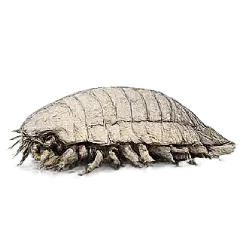
Giant Isopod (Bathynomus giganteus) thumbnail image on AnimalDex

Giant Isopod

Species principle: Deep Endurance

Endure the deep.

In the deepest places, survival belongs to the body that can wait, conserve, and endure.

Giant Isopods live in deep ocean environments where food can be scarce. Their armored bodies and scavenging lifestyle help them survive long periods between meals.

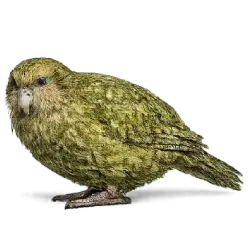
Kakapo (Strigops habroptilus) thumbnail image on AnimalDex

Kakapo

Species principle: Grounded Uniqueness

Forget the sky.

You do not need the expected gift when your real life belongs elsewhere.

Kakapos are flightless nocturnal parrots with mossy green camouflage, strong climbing ability, lek breeding behavior, and ground-based forest life.

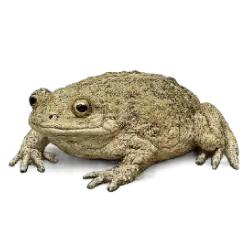
Lake Oku Clawed Frog (Xenopus longipes) thumbnail image on AnimalDex

Lake Oku Clawed Frog

Species principle: Lake World

Guard the small lake.

A small lake can hold an entire world if nothing breaks its balance.

Lake Oku Clawed Frogs are restricted to Lake Oku in Cameroon and live fully aquatic lives in a very limited mountain lake habitat.

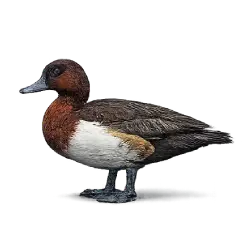
Madagascar Pochard (Aythya innotata) thumbnail image on AnimalDex

Madagascar Pochard

Species principle: Tiny Refuge

Guard the hidden lake.

A whole future can depend on one small place staying safe.

Madagascar Pochards are critically rare diving ducks now associated with a very small number of lake habitats, using diving behavior to feed underwater.

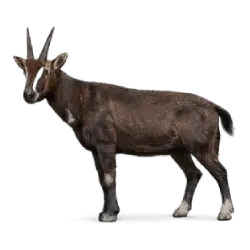
Saola (Pseudoryx nghetinhensis) thumbnail image on AnimalDex

Saola

Species principle: Whisper Rarity

Listen for the hidden horn.

The rarest lives may move so quietly that the world must learn to listen.

Saola are extremely rare forest bovids with long straight horns, known from remote Annamite mountain forests and seldom seen by people.

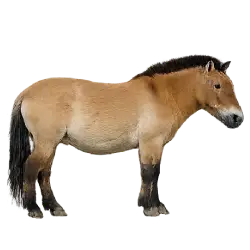
Takhi (Equus ferus przewalskii) thumbnail image on AnimalDex

Takhi

Species principle: Wild Return

Return to the steppe.

A lost lineage can return when enough ground is protected for it to run again.

Takhi, or Przewalski’s Horse, is the last surviving wild horse lineage and has been reintroduced to steppe habitats after extinction in the wild.

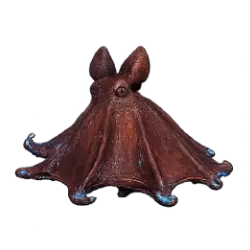
Vampire Squid (Vampyroteuthis infernalis) thumbnail image on AnimalDex

Vampire Squid

Species principle: Low-Energy Mystery

Feed on falling dark.

In thin worlds, survival comes from taking what quietly falls.

Vampire Squids live in low-oxygen deep ocean zones and feed mainly on marine snow using long filaments, conserving energy rather than chasing active prey.

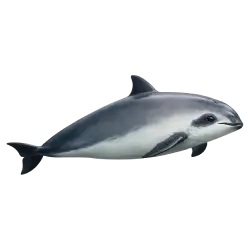
Vaquita (Phocoena sinus) thumbnail image on AnimalDex

Vaquita

Species principle: Fragility

Notice the whisper.

The quietest lives can vanish first if no one learns to notice them.

Vaquitas are small porpoises restricted to the northern Gulf of California, using subtle surfacing and echolocation in shallow waters while facing extreme conservation risk.

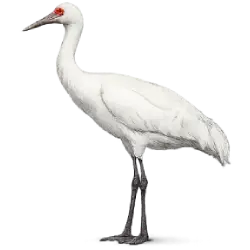
Whooping Crane (Grus americana) thumbnail image on AnimalDex

Whooping Crane

Species principle: Return Call

Bugle the return.

A clear voice can help a species find its way back.

Whooping Cranes are famous for loud bugling calls and long migration, and their recovery has depended on conservation and guided population rebuilding.

Explore related indexes