AnimalDex
en
Back to Qualities

Animal Qualities

Deep Listening

Let presence travel.

Animals grouped here express a similar quality through their behavior in nature. Each species still has its own principle, lesson, meaning, and field-guide page.

26 species

Mantled Howler Monkey (Alouatta palliata) thumbnail image on AnimalDex

Mantled Howler Monkey

Species principle: Distant Presence

Let presence travel.

Presence does not always need proximity; it can travel as sound.

Mantled Howler Monkeys have enlarged hyoid bones that enable loud calls carrying through forest canopy, supporting group spacing and communication.
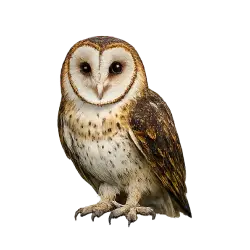

Masked Owl (Tyto novaehollandiae) thumbnail image on AnimalDex

Masked Owl

Species principle: Reception

Receive the dark.

To receive clearly is to move before the dark explains itself.

Masked Owls have a heart-shaped facial disc that helps direct sound toward the ears, supporting nocturnal hunting with silent flight.

Meerkat (Suricata suricatta) thumbnail image on AnimalDex

Meerkat

Species principle: Vigilance

Watch the horizon.

The group stays free because someone is willing to watch the horizon.

Meerkats live in cooperative groups where individuals often take sentry positions, standing upright to watch for predators while others forage. Alarm calls warn the group of danger.

Oilbird (Steatornis caripensis) thumbnail image on AnimalDex

Oilbird

Species principle: Cave Echolocation

Hear the cave.

The dark becomes navigable when you learn to hear its shape.

Oilbirds are nocturnal fruit-eating birds that nest in caves and use audible clicks for echolocation while navigating in darkness.

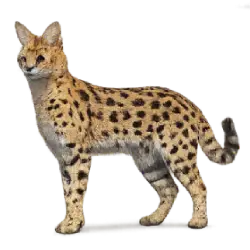
Serval (Leptailurus serval) thumbnail image on AnimalDex

Serval

Species principle: Grass Listening

Hear, then leap.

Hear clearly before you leap.

Servals use oversized ears to detect prey in tall grass before making high, precise pounces.

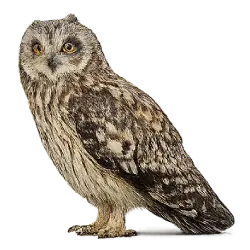
Short-eared Owl (Asio flammeus) thumbnail image on AnimalDex

Short-eared Owl

Species principle: Low Listening

Sweep the grass low.

The field reveals itself to the one who listens close to the ground.

Short-eared Owls hunt over open grasslands and marshes with low buoyant flight, using hearing and sight to locate small mammals.

Snowy Owl (Bubo scandiacus) thumbnail image on AnimalDex

Snowy Owl

Species principle: Arctic Vigil

Watch the white.

In a white world, patience becomes a watchtower.

Snowy Owls hunt across open tundra and snowy landscapes using strong eyesight, hearing, silent flight, and high perches or ground positions to detect prey.

Tawny Owl (Strix aluco) thumbnail image on AnimalDex

Tawny Owl

Species principle: Attention

Listen through dusk.

Quiet power begins by hearing what the noisy world misses.

Tawny Owls hunt in woodland and edge habitats using silent flight, strong hearing, and low-light vision. They often wait from perches and listen before striking.

Explore related indexes