AnimalDex
en
Back to Qualities

Animal Qualities

Foraging Skill

Turn it over.

Animals grouped here express a similar quality through their behavior in nature. Each species still has its own principle, lesson, meaning, and field-guide page.

35 species

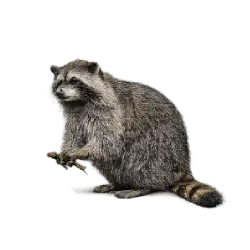
North American Raccoon (Procyon lotor) thumbnail image on AnimalDex

North American Raccoon

Species principle: Dexterity

Turn it over.

The world opens for those willing to touch, turn, and test what others ignore.

North American Raccoons use highly sensitive front paws to handle, open, wash, and investigate food and objects, especially while foraging at night.

Orpington Chicken animal lesson image on AnimalDex

Orpington Chicken

Species principle: Chicken · Consistency

Scratch every day.

What looks small each day becomes powerful when it never stops.

Chickens forage by scratching soil, leaf litter, and loose ground with their feet, then pecking at exposed seeds, insects, grit, and other edible material.

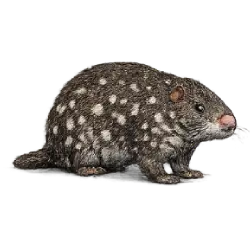
Pacarana (Dinomys branickii) thumbnail image on AnimalDex

Pacarana

Species principle: Slow Substance

Move with weight.

Power does not need speed when it is built with weight and patience.

Pacaranas are large, slow-moving nocturnal rodents that use strong claws and heavy bodies while foraging in rocky forest habitats.

Plymouth Rock Chicken animal lesson image on AnimalDex

Plymouth Rock Chicken

Species principle: Chicken · Consistency

Scratch every day.

What looks small each day becomes powerful when it never stops.

Chickens forage by scratching soil, leaf litter, and loose ground with their feet, then pecking at exposed seeds, insects, grit, and other edible material.

Polish Chicken animal lesson image on AnimalDex

Polish Chicken

Species principle: Chicken · Consistency

Scratch every day.

What looks small each day becomes powerful when it never stops.

Chickens forage by scratching soil, leaf litter, and loose ground with their feet, then pecking at exposed seeds, insects, grit, and other edible material.

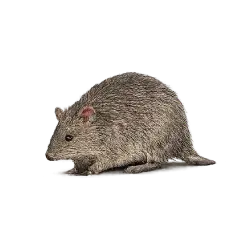
Quenda (Isoodon fusciventer) thumbnail image on AnimalDex

Quenda

Species principle: Soil Turning

Turn the litter.

Progress begins by turning over the ground others leave untouched.

Quendas are bandicoots that dig and forage through leaf litter and soil, helping aerate soil and locate fungi, insects, and roots.

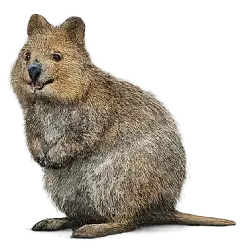
Quokka (Setonix brachyurus) thumbnail image on AnimalDex

Quokka

Species principle: Approachability

Leave a smile.

A gentle face can leave a mark stronger than force.

Quokkas are small macropods of southwestern Australia, especially islands, that forage on vegetation and are known for calm, curious behavior around humans where protected.

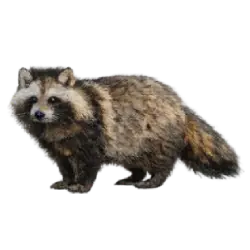
Raccoon Dog (Nyctereutes procyonoides) thumbnail image on AnimalDex

Raccoon Dog

Species principle: Seasonality

Change with winter.

Survival belongs to the one who changes pace with the season.

Raccoon Dogs are omnivorous canids with flexible diets. In cold parts of their range they may enter winter torpor, reducing activity while relying on stored fat and seasonal foraging.

Rhode Island Red animal lesson image on AnimalDex

Rhode Island Red

Species principle: Chicken · Consistency

Scratch every day.

What looks small each day becomes powerful when it never stops.

Chickens forage by scratching soil, leaf litter, and loose ground with their feet, then pecking at exposed seeds, insects, grit, and other edible material.

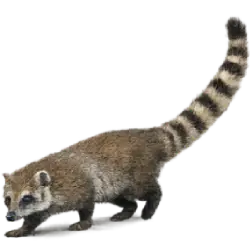
Ring-tailed Coati animal lesson image on AnimalDex

Ring-tailed Coati

Species principle: Exploration

Follow the nose.

The forest gives its secrets to the one who keeps searching with every sense awake.

Ring-tailed Coatis use long flexible snouts, claws, and raised tails while foraging for fruit, insects, eggs, and small animals, often searching through leaf litter and trees.

Silkie Chicken animal lesson image on AnimalDex

Silkie Chicken

Species principle: Chicken · Consistency

Scratch every day.

What looks small each day becomes powerful when it never stops.

Chickens forage by scratching soil, leaf litter, and loose ground with their feet, then pecking at exposed seeds, insects, grit, and other edible material.

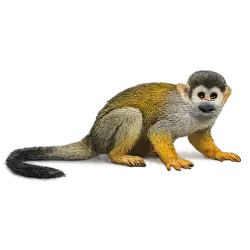
Squirrel Monkey (Saimiri sciureus) thumbnail image on AnimalDex

Squirrel Monkey

Species principle: Canopy Chatter

Chatter through leaves.

Small bodies become bright with force when the group stays in motion together.

Squirrel Monkeys are highly social primates that move through forest canopies in groups, using calls, quick movement, and coordinated foraging.

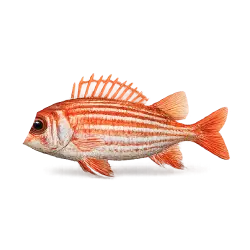
Squirrelfish (Sargocentron rubrum) thumbnail image on AnimalDex

Squirrelfish

Species principle: Night Vision

Read the reef at night.

The dark becomes readable to the one whose eyes are built for it.

Squirrelfish are nocturnal reef fish with large eyes, red coloration, and night-foraging behavior around reefs, caves, and crevices.

Sussex Chicken animal lesson image on AnimalDex

Sussex Chicken

Species principle: Chicken · Consistency

Scratch every day.

What looks small each day becomes powerful when it never stops.

Chickens forage by scratching soil, leaf litter, and loose ground with their feet, then pecking at exposed seeds, insects, grit, and other edible material.

Welsummer Chicken animal lesson image on AnimalDex

Welsummer Chicken

Species principle: Chicken · Consistency

Scratch every day.

What looks small each day becomes powerful when it never stops.

Chickens forage by scratching soil, leaf litter, and loose ground with their feet, then pecking at exposed seeds, insects, grit, and other edible material.

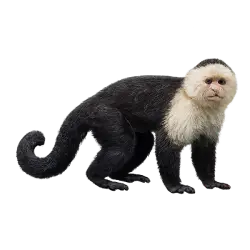
White-faced Capuchin (Cebus capucinus) thumbnail image on AnimalDex

White-faced Capuchin

Species principle: Manipulation

Test with the hands.

The world becomes solvable when the hands are brave enough to test it.

White-faced Capuchins are intelligent primates known for dexterous hands, object manipulation, social learning, and flexible foraging in forests.

Wyandotte Chicken animal lesson image on AnimalDex

Wyandotte Chicken

Species principle: Chicken · Consistency

Scratch every day.

What looks small each day becomes powerful when it never stops.

Chickens forage by scratching soil, leaf litter, and loose ground with their feet, then pecking at exposed seeds, insects, grit, and other edible material.

Explore related indexes