AnimalDex
en
Back to Qualities

Animal Qualities

Foraging Skill

Find fruit in the dark.

Animals grouped here express a similar quality through their behavior in nature. Each species still has its own principle, lesson, meaning, and field-guide page.

35 species

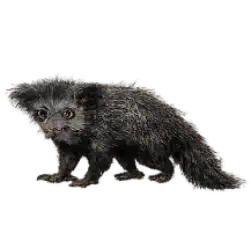
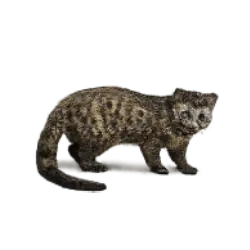
African Palm Civet animal lesson image on AnimalDex

African Palm Civet

Species principle: Quiet Reward

Find fruit in the dark.

Sweet things are often found by the one who moves quietly after dark.

African Palm Civets are nocturnal, tree-climbing mammals that forage in forests for fruit and other foods, using climbing ability and night activity to move through the canopy.

Araucana Chicken animal lesson image on AnimalDex

Araucana Chicken

Species principle: Chicken · Consistency

Scratch every day.

What looks small each day becomes powerful when it never stops.

Chickens forage by scratching soil, leaf litter, and loose ground with their feet, then pecking at exposed seeds, insects, grit, and other edible material.

Australorp Chicken animal lesson image on AnimalDex

Australorp Chicken

Species principle: Chicken · Consistency

Scratch every day.

What looks small each day becomes powerful when it never stops.

Chickens forage by scratching soil, leaf litter, and loose ground with their feet, then pecking at exposed seeds, insects, grit, and other edible material.

Ayam Cemani animal lesson image on AnimalDex

Ayam Cemani

Species principle: Chicken · Consistency

Scratch every day.

What looks small each day becomes powerful when it never stops.

Chickens forage by scratching soil, leaf litter, and loose ground with their feet, then pecking at exposed seeds, insects, grit, and other edible material.

Aye-aye (Daubentonia madagascariensis) thumbnail image on AnimalDex

Aye-aye

Species principle: Finger Percussion

Tap the hidden wood.

The hidden treasure answers the one who knows how to knock.

Aye-ayes use percussive foraging, tapping wood with an elongated finger, listening with large ears, then gnawing and extracting larvae with the same specialized finger.

Barnevelder Chicken animal lesson image on AnimalDex

Barnevelder Chicken

Species principle: Chicken · Consistency

Scratch every day.

What looks small each day becomes powerful when it never stops.

Chickens forage by scratching soil, leaf litter, and loose ground with their feet, then pecking at exposed seeds, insects, grit, and other edible material.

Brahma Chicken animal lesson image on AnimalDex

Brahma Chicken

Species principle: Chicken · Consistency

Scratch every day.

What looks small each day becomes powerful when it never stops.

Chickens forage by scratching soil, leaf litter, and loose ground with their feet, then pecking at exposed seeds, insects, grit, and other edible material.

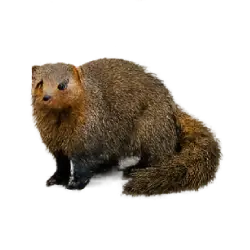
Bushy-tailed Mongoose (Bdeogale crassicauda) thumbnail image on AnimalDex

Bushy-tailed Mongoose

Species principle: Rough Utility

Use the rough tool.

A tool does not need to look refined to work exactly where it is needed.

Bushy-tailed Mongooses are nocturnal or crepuscular forest foragers that use strong senses, sharp noses, and bushy tails while searching through leaf litter, roots, and ground cover.

Chicken (Gallus gallus domesticus) thumbnail image on AnimalDex

Chicken

Species principle: Chicken · Consistency

Scratch every day.

What looks small each day becomes powerful when it never stops.

Chickens forage by scratching soil, leaf litter, and loose ground with their feet, then pecking at exposed seeds, insects, grit, and other edible material.

Cochin Chicken animal lesson image on AnimalDex

Cochin Chicken

Species principle: Chicken · Consistency

Scratch every day.

What looks small each day becomes powerful when it never stops.

Chickens forage by scratching soil, leaf litter, and loose ground with their feet, then pecking at exposed seeds, insects, grit, and other edible material.

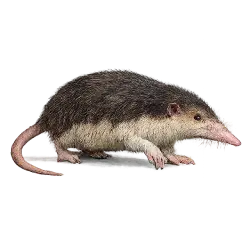
Cuban Solenodon animal lesson image on AnimalDex

Cuban Solenodon

Species principle: Ancient Cleverness

Snuffle from old time.

Old lineages survive by keeping one strange advantage alive.

Cuban Solenodons are ancient insectivorous mammals with long flexible snouts and venomous saliva delivered through grooved lower teeth, used while foraging at night.

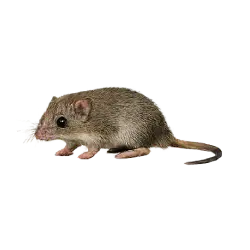
Dibbler animal lesson image on AnimalDex

Dibbler

Species principle: Last Sparks

Burn for the season.

A tiny life can burn intensely when the season asks everything of it.

Dibblers are small carnivorous marsupials with short, intense breeding seasons and high energy demands, foraging for insects and small animals in dense vegetation.

Faverolles Chicken animal lesson image on AnimalDex

Faverolles Chicken

Species principle: Chicken · Consistency

Scratch every day.

What looks small each day becomes powerful when it never stops.

Chickens forage by scratching soil, leaf litter, and loose ground with their feet, then pecking at exposed seeds, insects, grit, and other edible material.

Jersey Giant Chicken animal lesson image on AnimalDex

Jersey Giant Chicken

Species principle: Chicken · Consistency

Scratch every day.

What looks small each day becomes powerful when it never stops.

Chickens forage by scratching soil, leaf litter, and loose ground with their feet, then pecking at exposed seeds, insects, grit, and other edible material.

Leghorn Chicken animal lesson image on AnimalDex

Leghorn Chicken

Species principle: Chicken · Consistency

Scratch every day.

What looks small each day becomes powerful when it never stops.

Chickens forage by scratching soil, leaf litter, and loose ground with their feet, then pecking at exposed seeds, insects, grit, and other edible material.

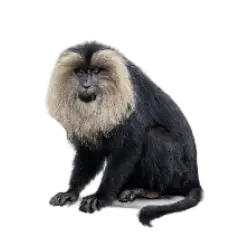
Lion-tailed Macaque (Macaca silenus) thumbnail image on AnimalDex

Lion-tailed Macaque

Species principle: Canopy Intelligence

Think through the canopy.

A sharp mind climbs best when it stays close to its kin.

Lion-tailed Macaques live in social groups in wet evergreen forests, using clever foraging behavior, vocal communication, and canopy movement.

Marans Chicken animal lesson image on AnimalDex

Marans Chicken

Species principle: Chicken · Consistency

Scratch every day.

What looks small each day becomes powerful when it never stops.

Chickens forage by scratching soil, leaf litter, and loose ground with their feet, then pecking at exposed seeds, insects, grit, and other edible material.

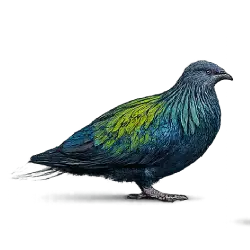
Nicobar Pigeon (Caloenas nicobarica) thumbnail image on AnimalDex

Nicobar Pigeon

Species principle: Practical Beauty

Walk with jewels.

Beauty stays grounded when it still knows how to find its food.

Nicobar Pigeons have iridescent neck feathers and strong ground-foraging habits, moving through island forests and coastal areas for fallen fruit, seeds, and other foods.

Explore related indexes