AnimalDex
en
Back to Qualities

Animal Qualities

foraging

Follow the termites.

Animals grouped here express a similar quality through their behavior in nature. Each species still has its own principle, lesson, meaning, and field-guide page.

34 species

Numbat (Myrmecobius fasciatus) thumbnail image on AnimalDex

Numbat

Species principle: Termite Focus

Follow the termites.

A specific hunger becomes enough when the whole body is shaped around it.

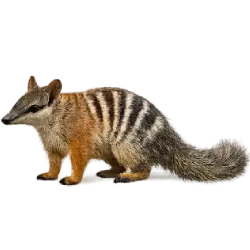
Numbats are specialized termite-eating marsupials that forage during the day using long sticky tongues and slender snouts to extract termites.
Paca (Cuniculus paca) thumbnail image on AnimalDex

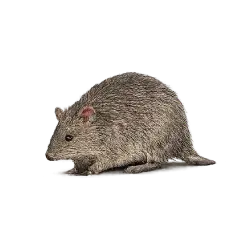
Paca

Species principle: Night Flexibility

Search the bank.

More chances appear when the search continues after dark.

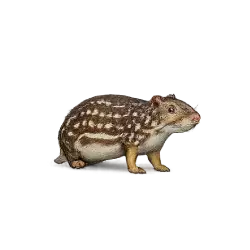
Pacas are nocturnal rodents that forage for fruit, seeds, and vegetation near forested riverbanks and dense cover, often using water and burrows for safety.

Quenda (Isoodon fusciventer) thumbnail image on AnimalDex

Quenda

Species principle: Soil Turning

Turn the litter.

Progress begins by turning over the ground others leave untouched.

Quendas are bandicoots that dig and forage through leaf litter and soil, helping aerate soil and locate fungi, insects, and roots.

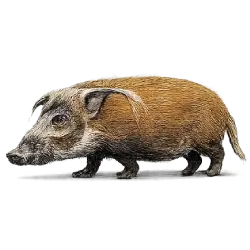
Red River Hog (Potamochoerus porcus) thumbnail image on AnimalDex

Red River Hog

Species principle: Rooting Confidence

Root the thicket.

Confidence grows when the body trusts its own way of finding what is hidden.

Red River Hogs root through soil, leaf litter, and damp forest cover with strong snouts, using social groups and powerful bodies to forage.

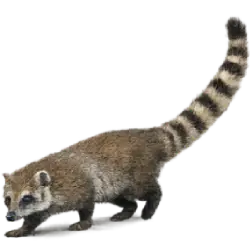
Ring-tailed Coati animal lesson image on AnimalDex

Ring-tailed Coati

Species principle: Exploration

Follow the nose.

The forest gives its secrets to the one who keeps searching with every sense awake.

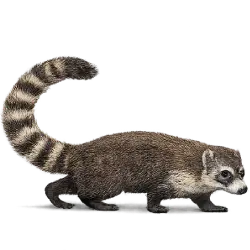
Ring-tailed Coatis use long flexible snouts, claws, and raised tails while foraging for fruit, insects, eggs, and small animals, often searching through leaf litter and trees.

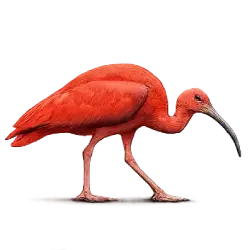
Scarlet Ibis (Eudocimus ruber) thumbnail image on AnimalDex

Scarlet Ibis

Species principle: Crimson Utility

Glow while working.

Beauty and usefulness can travel in the same body.

Scarlet Ibises use long curved bills to probe mud and shallow water for prey; their vivid red color comes from carotenoid-rich diets.

Short-beaked Echidna animal lesson image on AnimalDex

Short-beaked Echidna

Species principle: Spined Foraging

Forage behind spines.

Self-protection allows curiosity to keep working.

Short-beaked Echidnas use spines for defense and long sticky tongues to feed on ants and termites.

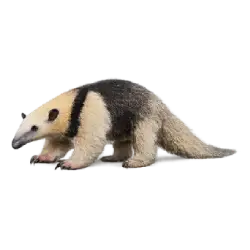
Southern Tamandua (Tamandua tetradactyla) thumbnail image on AnimalDex

Southern Tamandua

Species principle: Specialized Tools

Use the exact tool.

Odd jobs become simple when the tools are exact.

Southern Tamanduas use strong claws to open ant and termite nests, a prehensile tail for climbing, and a long sticky tongue to feed.

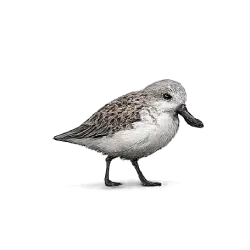
Spoon-billed Sandpiper (Calidris pygmaea) thumbnail image on AnimalDex

Spoon-billed Sandpiper

Species principle: Spoon Precision

Sweep the mud.

One special tool can turn mud into a map of hidden food.

Spoon-billed Sandpipers have distinctive spoon-shaped bills used to probe and sweep shallow mudflats for tiny invertebrates during migration and feeding.

Sun Bear (Helarctos malayanus) thumbnail image on AnimalDex

Sun Bear

Species principle: Hidden Honey

Reach the honey.

Sweetness is found by the one willing to open the hard places.

Sun Bears use long tongues, strong claws, and powerful jaws to extract honey, insects, and fruit from trees, logs, and cavities in tropical forests.

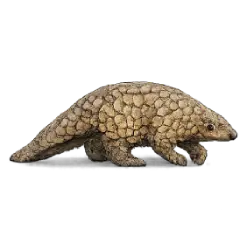
Sunda Pangolin (Manis javanica) thumbnail image on AnimalDex

Sunda Pangolin

Species principle: Wrapped Protection

Wrap the delicate work.

Great protection can wrap around delicate, patient work.

Sunda Pangolins have overlapping keratin scales for defense and long sticky tongues for feeding on ants and termites at night.

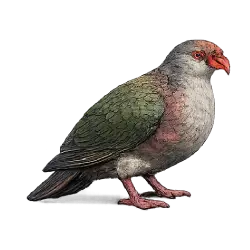
Tooth-billed Pigeon (Didunculus strigirostris) thumbnail image on AnimalDex

Tooth-billed Pigeon

Species principle: Toothed Design

Use the strange bill.

Unusual designs become unforgettable when they solve a real feeding problem.

Tooth-billed Pigeons have a distinctive heavy bill with tooth-like projections, used to feed on fruits in Samoan forest habitat.

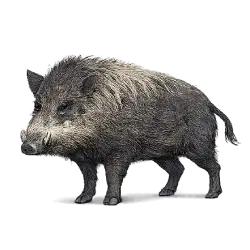
Visayan Warty Pig (Sus cebifrons) thumbnail image on AnimalDex

Visayan Warty Pig

Species principle: Rooting Ingenuity

Root the hidden pantry.

The ground becomes a pantry when you know how to turn it over.

Visayan Warty Pigs use tough snouts and hooves to root through forest soil and leaf litter for hidden food such as roots, tubers, and invertebrates.

Welsh Harlequin Duck animal lesson image on AnimalDex

Welsh Harlequin Duck

Species principle: Calm Foraging

Forage calmly.

Gentle productivity comes from repeated movement through familiar ground.

Welsh Harlequin Ducks are domestic ducks valued for foraging, egg laying, and calm utility traits.

White-nosed Coati (Nasua narica) thumbnail image on AnimalDex

White-nosed Coati

Species principle: Troop Curiosity

Search as a troop.

Curiosity travels farther when many noses search the path together.

White-nosed Coatis forage with long flexible snouts and claws, and females and young often move in social troops while searching forest floors and edges for food.

Woylie (Bettongia penicillata) thumbnail image on AnimalDex

Woylie

Species principle: Fungal Stewardship

Dig the future.

Busy searching can feed more than the seeker.

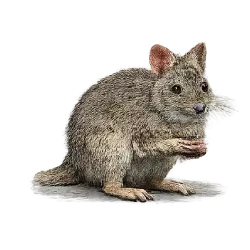
Woylies dig for underground fungi and other foods, helping turn soil and spread fungal spores that support forest and woodland ecosystems.

Explore related indexes