AnimalDex
en
Back to Qualities

Animal Qualities

Growth

Change stages.

Animals grouped here express a similar quality through their behavior in nature. Each species still has its own principle, lesson, meaning, and field-guide page.

5 species

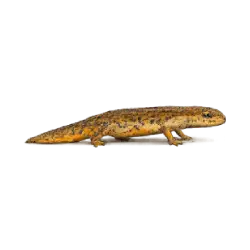
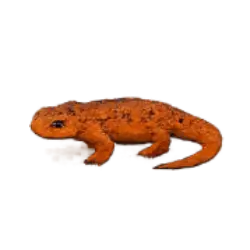
Eastern Newt (Notophthalmus viridescens) thumbnail image on AnimalDex

Eastern Newt

Species principle: Metamorphosis

Change stages.

Growing up may require a new color, a new road, and a new body of water.

Eastern Newts have a complex life cycle that can include aquatic larvae, a terrestrial red eft stage, and aquatic adults, shifting habitat, color, and behavior across stages.
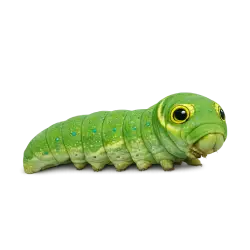
Eastern Tiger Swallowtail Caterpillar animal lesson image on AnimalDex

Eastern Tiger Swallowtail Caterpillar

Species principle: Becoming

Guard the becoming.

Growth often needs camouflage before it can become visible.

Swallowtail caterpillars use disguise and defensive display before metamorphosing into adult butterflies.

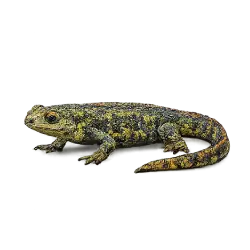
Marbled Newt (Triturus marmoratus) thumbnail image on AnimalDex

Marbled Newt

Species principle: Seasonal Passage

Follow the season.

Growth continues when the path changes with the season.

Marbled Newts move between terrestrial woodland habitats and aquatic breeding ponds, developing crests and aquatic behaviors during the breeding season.

Smooth Newt (Lissotriton vulgaris) thumbnail image on AnimalDex

Smooth Newt

Species principle: Transition

Change the path.

Growth sometimes means learning which world needs you now.

Smooth Newts move between aquatic breeding habitats and terrestrial habitats across seasons, changing behavior and appearance during breeding periods.

Wild Turkey (juvenile) animal lesson image on AnimalDex

Wild Turkey (juvenile)

Species principle: Flock Caution

Check with the flock.

Youth survives by blending caution, movement, and group awareness.

Juvenile Wild Turkeys rely on flock structure, alertness, ground movement, and cover while developing survival skills.

Explore related indexes