AnimalDex
en
Back to Qualities

Animal Qualities

Hidden value

Tap the hidden wood.

Animals grouped here express a similar quality through their behavior in nature. Each species still has its own principle, lesson, meaning, and field-guide page.

12 species

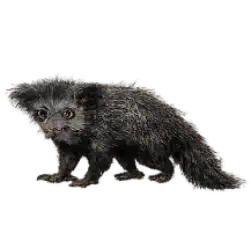
Aye-aye (Daubentonia madagascariensis) thumbnail image on AnimalDex

Aye-aye

Species principle: Finger Percussion

Tap the hidden wood.

The hidden treasure answers the one who knows how to knock.

Aye-ayes use percussive foraging, tapping wood with an elongated finger, listening with large ears, then gnawing and extracting larvae with the same specialized finger.
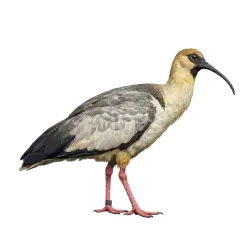
Black-faced Ibis (Theristicus melanopis) thumbnail image on AnimalDex

Black-faced Ibis

Species principle: Meadow Probing

Probe the meadow.

Steady steps uncover what the open ground keeps hidden.

Black-faced Ibises use long curved bills to probe wet meadows, grasslands, and marshy soil for invertebrates and small prey.

Black-headed Ibis (Threskiornis melanocephalus) thumbnail image on AnimalDex

Black-headed Ibis

Species principle: Careful Probing

Probe with care.

Slow attention finds what the surface refuses to show.

Black-headed Ibises use long curved bills to probe shallow water, mud, and wetlands for fish, insects, crustaceans, and other hidden prey.

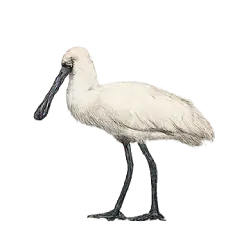
Eurasian Spoonbill (Platalea leucorodia) thumbnail image on AnimalDex

Eurasian Spoonbill

Species principle: Sifting

Sweep with the spoon.

The right tool gathers what the water hides in plain sight.

Eurasian Spoonbills feed by sweeping spoon-shaped bills side to side through shallow water, detecting and catching small aquatic prey.

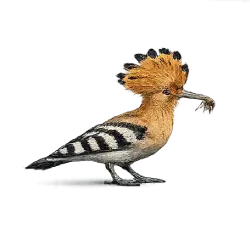
Hoopoe (Upupa epops) thumbnail image on AnimalDex

Hoopoe

Species principle: Probing

Probe the forgotten.

Forgotten ground gives treasure to the bill that keeps asking.

Hoopoes use long curved bills to probe soil, grass, and crevices for insects and larvae, and their crest and calls make them visually distinctive.

Long-nosed Potoroo (Potorous tridactylus) thumbnail image on AnimalDex

Long-nosed Potoroo

Species principle: Quiet Treasure

Dig the quiet treasure.

The hidden feast belongs to the one patient enough to smell below the surface.

Long-nosed Potoroos use sensitive noses and small forepaws to dig for underground fungi such as truffles, helping disperse fungal spores through forest ecosystems.

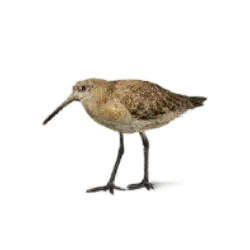
Marbled Godwit (Limosa fedoa) thumbnail image on AnimalDex

Marbled Godwit

Species principle: Deep Probing

Probe the shore.

Steady reach finds what surface effort misses.

Marbled Godwits use long slightly upturned bills to probe mudflats, beaches, and wetlands for hidden invertebrates during feeding and migration.

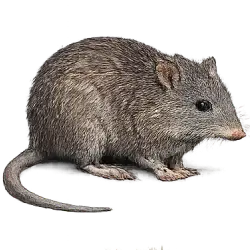
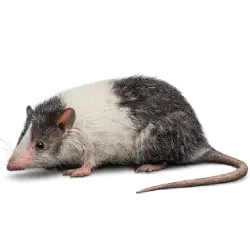
Moon Rat animal lesson image on AnimalDex

Moon Rat

Species principle: Nocturnal Scent

Sniff the dark.

The night gives answers to the nose willing to stay low.

Moon Rats are nocturnal relatives of hedgehogs that use long snouts and strong scent to search damp forest floors for insects, worms, and small animals.

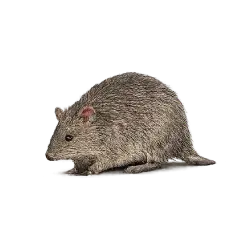
Quenda (Isoodon fusciventer) thumbnail image on AnimalDex

Quenda

Species principle: Soil Turning

Turn the litter.

Progress begins by turning over the ground others leave untouched.

Quendas are bandicoots that dig and forage through leaf litter and soil, helping aerate soil and locate fungi, insects, and roots.

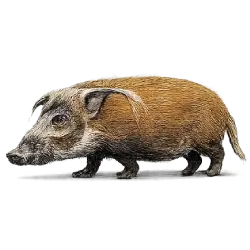
Red River Hog (Potamochoerus porcus) thumbnail image on AnimalDex

Red River Hog

Species principle: Rooting Confidence

Root the thicket.

Confidence grows when the body trusts its own way of finding what is hidden.

Red River Hogs root through soil, leaf litter, and damp forest cover with strong snouts, using social groups and powerful bodies to forage.

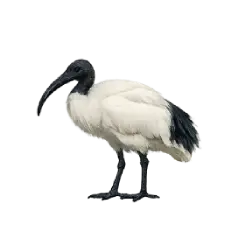
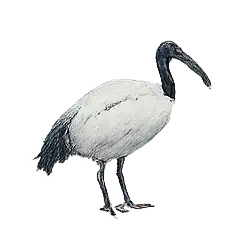
Sacred Ibis (Threskiornis aethiopicus) thumbnail image on AnimalDex

Sacred Ibis

Species principle: Inquiry

Probe deeper.

Hidden value answers the one patient enough to search beneath the surface.

Sacred Ibises use long curved bills to probe mud, soil, and shallow water for insects, crustaceans, small animals, and other food.

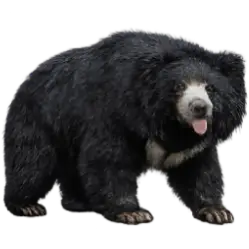
Sloth Bear (Melursus ursinus) thumbnail image on AnimalDex

Sloth Bear

Species principle: Termite Extraction

Suck from the mound.

The hidden feast belongs to the one with the right way to draw it out.

Sloth Bears have long claws, mobile lips, and gaps in their front teeth that help them suck termites and ants from nests after breaking them open.

Explore related indexes