AnimalDex
en
Back to Qualities

Animal Qualities

Hunting

Walk with thunder.

Animals grouped here express a similar quality through their behavior in nature. Each species still has its own principle, lesson, meaning, and field-guide page.

9 species

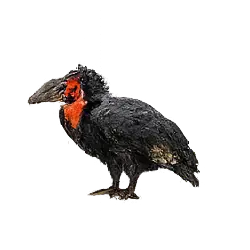
Abyssinian Ground Hornbill (Bucorvus abyssinicus) thumbnail image on AnimalDex

Abyssinian Ground Hornbill

Species principle: Grounded Power

Walk with thunder.

Not every powerful thing needs to leave the ground.

Abyssinian Ground Hornbills are large terrestrial hornbills that walk across savannas and open habitats, using strong bills, deep calls, and long legs while hunting small animals.
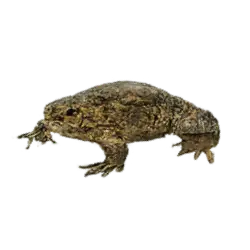
African Clawed Frog (Xenopus laevis) thumbnail image on AnimalDex

African Clawed Frog

Species principle: Tactile Hunting

Feel the water.

Unusual tools become intelligence when they read the world by touch.

African Clawed Frogs are fully aquatic frogs with clawed hind feet and sensitive lateral-line-like systems that help detect movement and locate prey underwater.

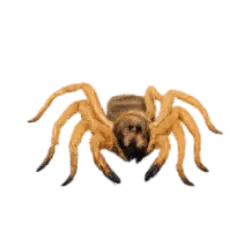
Camel Spider (Galeodes arabs) thumbnail image on AnimalDex

Camel Spider

Species principle: Desert Pursuit

Sprint the night sand.

Speed becomes useful when it is aimed through the heat after dark.

Camel Spiders, or solifuges, are fast-running arachnids with large chelicerae that hunt insects and small animals, often active in arid environments.

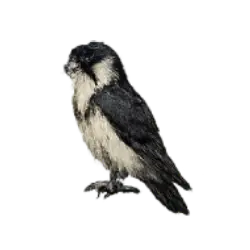
Collared Falconet (Microhierax caerulescens) thumbnail image on AnimalDex

Collared Falconet

Species principle: Small Boldness

Strike small, strike true.

Size stops mattering when the strike knows itself.

Collared Falconets are tiny raptors that hunt insects and small birds from exposed perches, using quick flights and bold predatory behavior despite their small size.

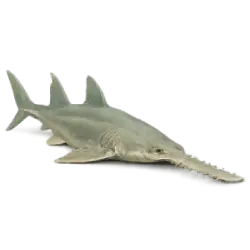
Largetooth Sawfish (Pristis pristis) thumbnail image on AnimalDex

Largetooth Sawfish

Species principle: Heavy Saw

Swing the big saw.

When one tool leads the body, the whole strategy follows its edge.

Largetooth Sawfish use large tooth-lined rostrums with sensory pores to detect prey and slash through muddy river and coastal waters.

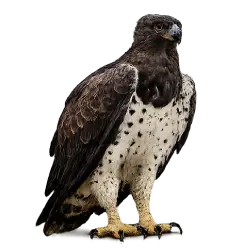
Martial Eagle (Polemaetus bellicosus) thumbnail image on AnimalDex

Martial Eagle

Species principle: Martial Focus

Narrow the sky.

Power becomes decisive when the whole sky narrows into one target.

Martial Eagles are large African raptors that soar high while scanning for prey, then use powerful talons to capture birds, reptiles, and mammals.

Smalltooth Sawfish (Pristis pectinata) thumbnail image on AnimalDex

Smalltooth Sawfish

Species principle: Saw Sense

Lead with the saw.

One remarkable tool can sense, strike, and lead the whole body.

Smalltooth Sawfish use tooth-lined rostrums with sensory organs to detect prey and may slash the saw to stun fish in shallow coastal and estuarine waters.

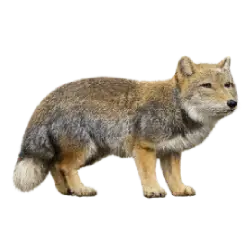
Tibetan Fox animal lesson image on AnimalDex

Tibetan Fox

Species principle: Plateau Focus

Stare down the plateau.

In a wide empty place, focus becomes the path.

Tibetan Foxes hunt on high plateaus, often targeting pikas with patient watching, careful steps, and a distinctive square-faced profile suited to open grasslands.

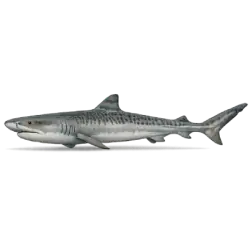
Tiger Shark (Galeocerdo cuvier) thumbnail image on AnimalDex

Tiger Shark

Species principle: Range

Take the range.

The wide eater survives by seeing more doors than one.

Tiger Sharks are large opportunistic predators with broad diets, ranging through tropical and subtropical waters and consuming many kinds of prey.

Explore related indexes