AnimalDex
en
Back to Qualities

Animal Qualities

Identity

Keep the stripe.

Animals grouped here express a similar quality through their behavior in nature. Each species still has its own principle, lesson, meaning, and field-guide page.

26 species

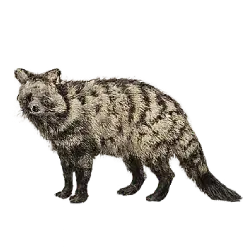
African Civet (Civettictis civetta) thumbnail image on AnimalDex

African Civet

Species principle: Scented Adaptation

Keep the stripe.

Adjust to the night without losing your pattern.

African Civets are nocturnal omnivores with striped coats, scent-marking glands, and flexible diets that let them forage across varied habitats.
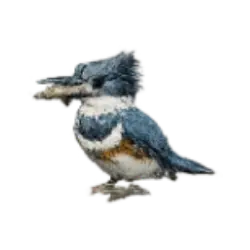
Belted Kingfisher (Megaceryle alcyon) thumbnail image on AnimalDex

Belted Kingfisher

Species principle: Rattle Signature

Rattle, then dive.

Confidence sharpens when your method is unmistakably your own.

Belted Kingfishers use loud rattling calls, large bills, shaggy crests, and plunge-diving behavior to catch fish from rivers, lakes, and shorelines.

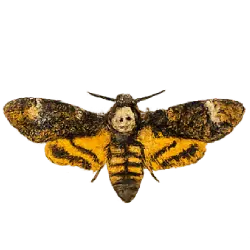
Death's-head Hawkmoth (Acherontia atropos) thumbnail image on AnimalDex

Death's-head Hawkmoth

Species principle: Unmistakable Mark

Own the mark.

A strange signature becomes power when it is fully owned.

Death's-head Hawkmoths have skull-like thorax markings, strong flight, and unusual behaviors such as entering beehives and producing squeaks.

Dutch Rabbit animal lesson image on AnimalDex

Dutch Rabbit

Species principle: Clean Contrast

Mark it clearly.

Clarity can be calming when the world is noisy.

Dutch Rabbits are domestic rabbits known for distinct color patterning and steady household or show-breed presence.

Eastern Glass Lizard (Ophisaurus ventralis) thumbnail image on AnimalDex

Eastern Glass Lizard

Species principle: Category Escape

Slip the category.

Not fitting the box can be the feature that lets you pass through.

Eastern Glass Lizards are legless lizards with eyelids and ear openings, moving through grass and sandy habitats while resembling snakes.

Eclectus Parrot animal lesson image on AnimalDex

Eclectus Parrot

Species principle: Color Contrast

Show the contrast.

Identity can be strengthened when contrast is visible instead of hidden.

Eclectus Parrots are sexually dimorphic parrots with striking color differences and strong social communication.

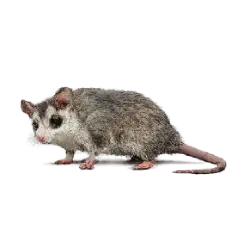
Gray Four-eyed Opossum (Philander opossum) thumbnail image on AnimalDex

Gray Four-eyed Opossum

Species principle: False Eyes

Wear the second gaze.

Odd details become useful when they change how danger reads you.

Gray Four-eyed Opossums have pale spots above the eyes that look like a second pair of eyes, while moving nocturnally through trees and undergrowth.

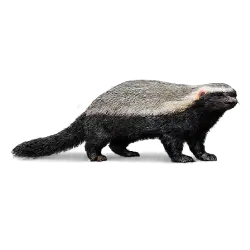
Greater Grison (Galictis vittata) thumbnail image on AnimalDex

Greater Grison

Species principle: Fierce Style

Charge in silver.

Purpose sharpens when the body accepts its own wild shape.

Greater Grisons are bold, low-bodied mustelids that move through grass, scrub, and forests, hunting small animals with speed and force.

Harlequin Rabbit animal lesson image on AnimalDex

Harlequin Rabbit

Species principle: Split Pattern

Balance the contrast.

Identity can hold two sides without becoming confused.

Harlequin Rabbits are domestic rabbits known for bold patterned coloration and show-breed distinctiveness.

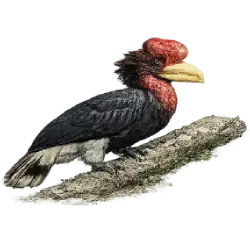
Helmeted Hornbill (Rhinoplax vigil) thumbnail image on AnimalDex

Helmeted Hornbill

Species principle: Solid Identity

Wear the helmet.

A bold tool can become identity when the whole life grows around it.

Helmeted Hornbills have unusually solid casques used in aerial jousting and display, paired with loud calls and canopy life.

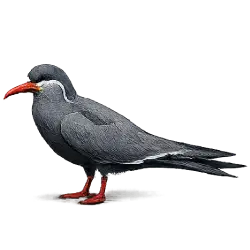
Inca Tern (Larosterna inca) thumbnail image on AnimalDex

Inca Tern

Species principle: Mustached Signature

Wear the mark.

A true mark travels with the skill that carries it.

Inca Terns have distinctive white facial plumes and forage along rocky Pacific coasts, flying quickly over cold waters and nesting near cliffs or guano-covered ledges.

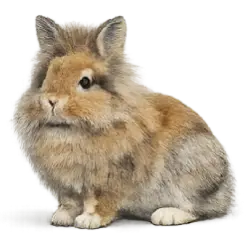
Lionhead Rabbit animal lesson image on AnimalDex

Lionhead Rabbit

Species principle: Crowned Boldness

Wear the mane.

Confidence can be grown through shape, posture, and display.

Lionhead Rabbits are small domestic rabbits with woolly manes that create a distinctive lion-like appearance.

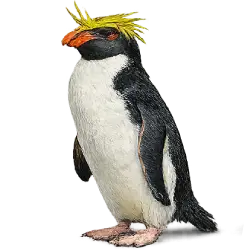
Macaroni Penguin animal lesson image on AnimalDex

Macaroni Penguin

Species principle: Crested Identity

Keep the crest.

A bold sign can keep its shape even inside the crowd.

Macaroni Penguins breed in dense colonies and are recognized by bright yellow crest feathers, strong diving ability, and highly social colony behavior.

Magpie Duck animal lesson image on AnimalDex

Magpie Duck

Species principle: Marked Balance

Balance the markings.

Clear patterning can become identity when it stays balanced.

Magpie Ducks are domestic ducks with bold black-and-white patterning and practical farm traits.

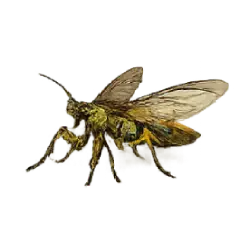
Mantidfly (Climaciella brunnea) thumbnail image on AnimalDex

Mantidfly

Species principle: Hybrid Power

Use the strange mix.

Unusual combinations become strength when each part knows its role.

Mantidflies combine lacewing-like wings with mantis-like raptorial forelegs, using predatory grabbing behavior while often resembling wasps or other insects.

Moorish Idol (Zanclus cornutus) thumbnail image on AnimalDex

Moorish Idol

Species principle: Reef Icon

Carry the banner.

Presence can become unmistakable when form and movement carry the same signature.

Moorish Idols are reef fish with bold striping and a long trailing dorsal filament, using agile movement through coral reef structures while foraging.

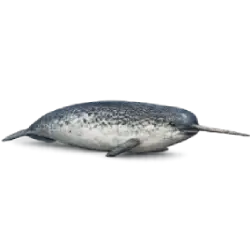
Narwhal (Monodon monoceros) thumbnail image on AnimalDex

Narwhal

Species principle: Spiral-Tusk Signal

Carry the tusk spiral.

A strange feature can become the mark by which the world remembers you.

Narwhals have a long spiral tusk, usually in males, and travel through Arctic waters and sea ice while using echolocation and social behavior.

Ploughshare Tortoise (Astrochelys yniphora) thumbnail image on AnimalDex

Ploughshare Tortoise

Species principle: Distinctive Armor

Carry the plough.

Armor becomes identity when its shape cannot be mistaken.

Ploughshare Tortoises have a distinctive forward-projecting gular scute on the lower shell, giving the species its name and making its armor highly recognizable.

Explore related indexes