AnimalDex
en
Back to Qualities

Animal Qualities

Learning

Echo with mind.

Animals grouped here express a similar quality through their behavior in nature. Each species still has its own principle, lesson, meaning, and field-guide page.

26 species

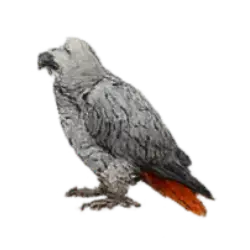
African Grey Parrot (Psittacus erithacus) thumbnail image on AnimalDex

African Grey Parrot

Species principle: Mimic Intelligence

Echo with mind.

A mind grows by listening so closely that the world enters its voice.

African Grey Parrots are highly intelligent birds known for vocal mimicry, social learning, problem-solving, and strong cognitive abilities.

Araucana Chicken animal lesson image on AnimalDex

Araucana Chicken

Species principle: Consistency

Scratch every day.

What looks small each day becomes powerful when it never stops.

Chickens forage by scratching soil, leaf litter, and loose ground with their feet, then pecking at exposed seeds, insects, grit, and other edible material.

Australorp Chicken animal lesson image on AnimalDex

Australorp Chicken

Species principle: Consistency

Scratch every day.

What looks small each day becomes powerful when it never stops.

Chickens forage by scratching soil, leaf litter, and loose ground with their feet, then pecking at exposed seeds, insects, grit, and other edible material.

Ayam Cemani animal lesson image on AnimalDex

Ayam Cemani

Species principle: Consistency

Scratch every day.

What looks small each day becomes powerful when it never stops.

Chickens forage by scratching soil, leaf litter, and loose ground with their feet, then pecking at exposed seeds, insects, grit, and other edible material.

Barnevelder Chicken animal lesson image on AnimalDex

Barnevelder Chicken

Species principle: Consistency

Scratch every day.

What looks small each day becomes powerful when it never stops.

Chickens forage by scratching soil, leaf litter, and loose ground with their feet, then pecking at exposed seeds, insects, grit, and other edible material.

Brahma Chicken animal lesson image on AnimalDex

Brahma Chicken

Species principle: Consistency

Scratch every day.

What looks small each day becomes powerful when it never stops.

Chickens forage by scratching soil, leaf litter, and loose ground with their feet, then pecking at exposed seeds, insects, grit, and other edible material.

Budgerigar animal lesson image on AnimalDex

Budgerigar

Species principle: Social Mimicry

Echo the flock.

Connection grows when listening turns into shared language.

Budgerigars are highly social parrots capable of vocal learning, flock bonding, and responsive communication.

Chicken (Gallus gallus domesticus) thumbnail image on AnimalDex

Chicken

Species principle: Consistency

Scratch every day.

What looks small each day becomes powerful when it never stops.

Chickens forage by scratching soil, leaf litter, and loose ground with their feet, then pecking at exposed seeds, insects, grit, and other edible material.

Cochin Chicken animal lesson image on AnimalDex

Cochin Chicken

Species principle: Consistency

Scratch every day.

What looks small each day becomes powerful when it never stops.

Chickens forage by scratching soil, leaf litter, and loose ground with their feet, then pecking at exposed seeds, insects, grit, and other edible material.

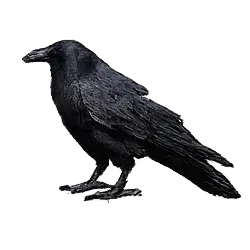
Crow (Corvus spp.) thumbnail image on AnimalDex

Crow

Species principle: Innovation

Test the object.

Ordinary things become tools when a mind is willing to test them.

Crows are highly intelligent corvids known for problem-solving, memory, social learning, object manipulation, and in some species tool use or tool-like behavior.

Faverolles Chicken animal lesson image on AnimalDex

Faverolles Chicken

Species principle: Consistency

Scratch every day.

What looks small each day becomes powerful when it never stops.

Chickens forage by scratching soil, leaf litter, and loose ground with their feet, then pecking at exposed seeds, insects, grit, and other edible material.

Jersey Giant Chicken animal lesson image on AnimalDex

Jersey Giant Chicken

Species principle: Consistency

Scratch every day.

What looks small each day becomes powerful when it never stops.

Chickens forage by scratching soil, leaf litter, and loose ground with their feet, then pecking at exposed seeds, insects, grit, and other edible material.

Leghorn Chicken animal lesson image on AnimalDex

Leghorn Chicken

Species principle: Consistency

Scratch every day.

What looks small each day becomes powerful when it never stops.

Chickens forage by scratching soil, leaf litter, and loose ground with their feet, then pecking at exposed seeds, insects, grit, and other edible material.

Long-tailed Macaque animal lesson image on AnimalDex

Long-tailed Macaque

Species principle: Adaptive Mischief

Test the edge.

Intelligence grows by exploring what the group, place, and moment allow.

Long-tailed Macaques are adaptable social primates known for learning, opportunism, and flexible behavior around water, forests, and people.

Marans Chicken animal lesson image on AnimalDex

Marans Chicken

Species principle: Consistency

Scratch every day.

What looks small each day becomes powerful when it never stops.

Chickens forage by scratching soil, leaf litter, and loose ground with their feet, then pecking at exposed seeds, insects, grit, and other edible material.

Olive Baboon animal lesson image on AnimalDex

Olive Baboon

Species principle: Experimentation

Experiment often.

Try more things.

Monkeys learn through curiosity, play, testing, and social learning.

Orpington Chicken animal lesson image on AnimalDex

Orpington Chicken

Species principle: Consistency

Scratch every day.

What looks small each day becomes powerful when it never stops.

Chickens forage by scratching soil, leaf litter, and loose ground with their feet, then pecking at exposed seeds, insects, grit, and other edible material.

Plymouth Rock Chicken animal lesson image on AnimalDex

Plymouth Rock Chicken

Species principle: Consistency

Scratch every day.

What looks small each day becomes powerful when it never stops.

Chickens forage by scratching soil, leaf litter, and loose ground with their feet, then pecking at exposed seeds, insects, grit, and other edible material.

Explore related indexes