AnimalDex
en
Back to Qualities

Animal Qualities

Long Commitment

Follow the light.

Animals grouped here express a similar quality through their behavior in nature. Each species still has its own principle, lesson, meaning, and field-guide page.

12 species

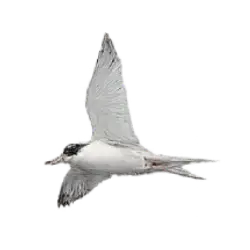
Arctic Tern (Sterna paradisaea) thumbnail image on AnimalDex

Arctic Tern

Species principle: Great Passage

Follow the light.

A small body can belong to the whole world when it follows the light.

Arctic Terns make one of the longest migrations of any animal, traveling between Arctic breeding grounds and Antarctic waters each year.
Blue-spotted Salamander (Ambystoma laterale) thumbnail image on AnimalDex

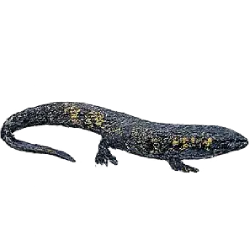
Blue-spotted Salamander

Species principle: Quiet Wonder

Carry the night spots.

Wonder does not need noise when it knows the wet path home.

Blue-spotted Salamanders move through moist forests and wetlands, often migrating to breeding pools during spring rains.

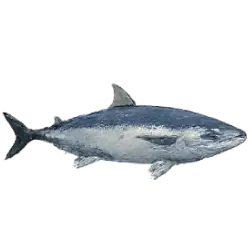
Bluefin Tuna (Thunnus thynnus) thumbnail image on AnimalDex

Bluefin Tuna

Species principle: Ocean Heat

Carry heat through water.

To move far and fast, carry your own fire through cold water.

Bluefin Tuna are powerful migratory fish with regional endothermy, allowing them to maintain elevated muscle temperatures and swim efficiently across wide ocean ranges.

Common Green Darner animal lesson image on AnimalDex

Common Green Darner

Species principle: Migrating Precision

Fly the line.

Direction matters more when the journey crosses many places.

Common Green Darners are dragonflies known for strong flight, aerial hunting, and migration in parts of their range.

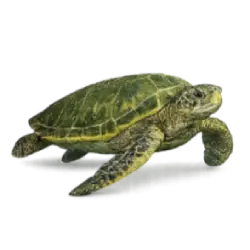
Green Sea Turtle (Chelonia mydas) thumbnail image on AnimalDex

Green Sea Turtle

Species principle: Natal Return

Return to the shore.

Some journeys are completed by finding the shore that began you.

Green Sea Turtles migrate long distances between feeding areas and nesting beaches, with females returning to beaches near where they hatched to lay eggs.

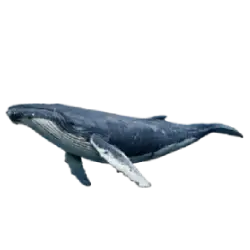
Humpback Whale (Megaptera novaeangliae) thumbnail image on AnimalDex

Humpback Whale

Species principle: Ocean Song

Sing the ocean road.

A long journey can still carry music across the deep.

Humpback Whales migrate long distances between feeding and breeding grounds and are known for complex songs, social behavior, and dramatic surface displays.

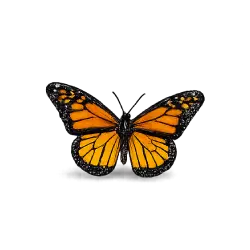
Monarch Butterfly (Danaus plexippus) thumbnail image on AnimalDex

Monarch Butterfly

Species principle: Inherited Migration

Carry the route.

Small bodies can carry enormous direction.

Monarch butterflies complete long migrations across generations using inherited navigation and seasonal movement cues.

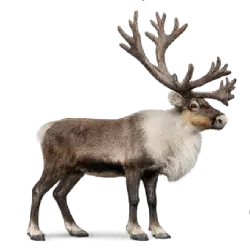
Reindeer (Rangifer tarandus) thumbnail image on AnimalDex

Reindeer

Species principle: Road Fit

Fit the road.

Endurance grows when the body fits the road ahead.

Reindeer have broad hooves, insulating fur, and seasonal migration patterns that help them move and forage across snow and tundra.

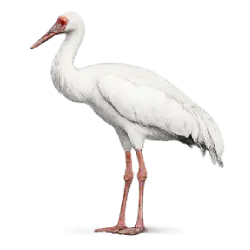
Siberian Crane (Leucogeranus leucogeranus) thumbnail image on AnimalDex

Siberian Crane

Species principle: Luminous Migration

Carry white across marshes.

Grace becomes luminous when it keeps returning across impossible distances.

Siberian Cranes are long-distance migratory cranes that depend on wetland breeding and wintering areas, using long wings and calls during migration.

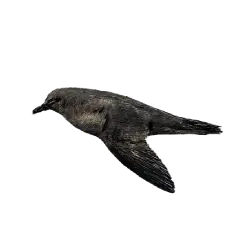
Sooty Shearwater (Ardenna grisea) thumbnail image on AnimalDex

Sooty Shearwater

Species principle: Global Endurance

Shear the globe.

Resilience is built by trusting the wing through enormous distance.

Sooty Shearwaters make some of the longest migrations of any bird, using efficient long-winged flight over vast ocean routes.

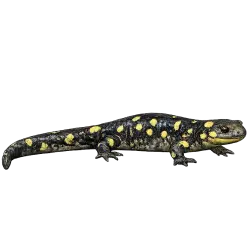
Spotted Salamander (Ambystoma maculatum) thumbnail image on AnimalDex

Spotted Salamander

Species principle: Spring Return

Return to the pool.

Consistency means finding the old water again when the season opens.

Spotted Salamanders migrate from forest burrows and leaf litter to temporary vernal pools for breeding, often during rainy spring nights.

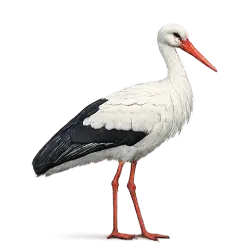
White Stork (Ciconia ciconia) thumbnail image on AnimalDex

White Stork

Species principle: Return

Return to the roof.

Home and distance can belong to the same wing.

White Storks build large nests on rooftops, poles, and trees, and migrate long distances between breeding and wintering grounds using soaring flight and thermals.

Explore related indexes