AnimalDex
en
Back to Qualities

Animal Qualities

Movement

Keep the bounce.

Animals grouped here express a similar quality through their behavior in nature. Each species still has its own principle, lesson, meaning, and field-guide page.

17 species

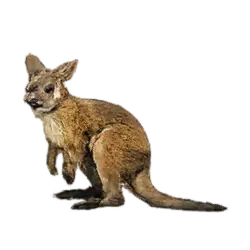
Agile Wallaby (Notamacropus agilis) thumbnail image on AnimalDex

Agile Wallaby

Species principle: Springing

Keep the bounce.

Steady bounce can carry a body farther than strain.

Agile Wallabies use powerful hind legs and hopping locomotion to move efficiently through tropical woodland, grassland, and open habitats.


Blacktip Reef Shark animal lesson image on AnimalDex

Blacktip Reef Shark

Species principle: Reef Precision

Cut through water.

Speed is most powerful when it respects the structure around it.

Blacktip Reef Sharks are agile reef predators that patrol shallow coral habitats and react quickly to movement.

Blue Morpho (Morpho menelaus) thumbnail image on AnimalDex

Blue Morpho

Species principle: Flash Beauty

Flash through shadow.

Beauty becomes impossible to ignore when it appears and vanishes in motion.

Blue Morpho butterflies show brilliant structural blue on the upper wings and dull undersides, creating flashing visual effects during flight.

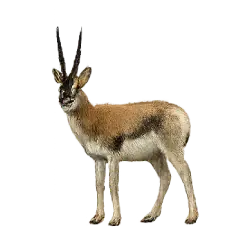
Chiru (Pantholops hodgsonii) thumbnail image on AnimalDex

Chiru

Species principle: Weatherproofing

Wear the wind.

The right covering turns weather into road.

Chiru live on the Tibetan Plateau and have fine insulating underwool and fast movement suited to cold, open high-altitude habitats.

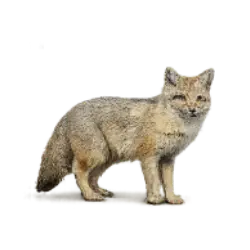
Corsac Fox (Vulpes corsac) thumbnail image on AnimalDex

Corsac Fox

Species principle: Steppe Fit

Fit the steppe.

The journey gets easier when the body matches the land.

Corsac Foxes live in open steppes and semi-deserts, using pale coats, burrows, and flexible foraging to survive exposed grassland environments.

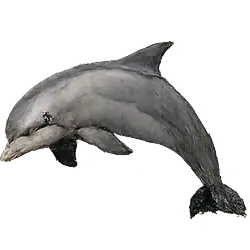
Dusky Dolphin (Lagenorhynchus obscurus) thumbnail image on AnimalDex

Dusky Dolphin

Species principle: Acrobatic Joy

Twist through cold.

Joy becomes mastery when the body can turn play into motion.

Dusky Dolphins are social, agile dolphins known for acrobatic leaps, twists, and cooperative movement in cold coastal waters.

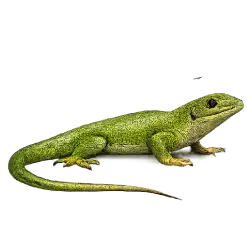
Eastern Glass Lizard (Ophisaurus ventralis) thumbnail image on AnimalDex

Eastern Glass Lizard

Species principle: Category Escape

Slip the category.

Not fitting the box can be the feature that lets you pass through.

Eastern Glass Lizards are legless lizards with eyelids and ear openings, moving through grass and sandy habitats while resembling snakes.

Emerald Tree Skink (Lamprolepis smaragdina) thumbnail image on AnimalDex

Emerald Tree Skink

Species principle: Invitation

Greet the branch.

A bright presence can make the branches feel open.

Emerald Tree Skinks are active arboreal lizards with bright green coloration and quick climbing behavior through trunks and branches in tropical habitats.

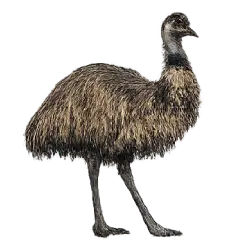
Emu (Dromaius novaehollandiae) thumbnail image on AnimalDex

Emu

Species principle: Grounded Freedom

Stride the outback.

Not every freedom needs wings; some are built stride by stride.

Emus are large flightless birds adapted for long-distance walking and running across Australian open country, using long legs and strong bodies instead of flight.

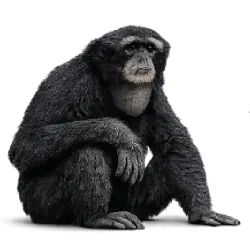
Hoolock Gibbon (Hoolock hoolock) thumbnail image on AnimalDex

Hoolock Gibbon

Species principle: Duet Movement

Swing and sing.

A life moves farther when motion and voice swing from the same rhythm.

Hoolock Gibbons travel through forest canopy by brachiation and use loud duet songs to maintain pair bonds and territory.

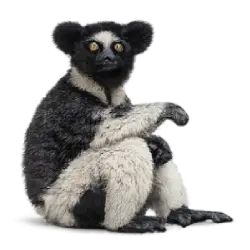
Indri (Indri indri) thumbnail image on AnimalDex

Indri

Species principle: Songbound Motion

Leap with song.

Movement becomes memory when the forest can hear it.

Indris are large lemurs that leap between trees and use loud, haunting songs for territorial and social communication in Madagascar forests.

Rainbow Trout animal lesson image on AnimalDex

Rainbow Trout

Species principle: Current Reading

Read the current.

Adaptation is the ability to read resistance without stopping.

Rainbow Trout live in cool flowing waters and rely on positioning, current reading, and quick feeding responses.

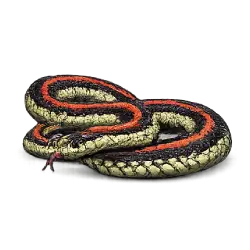
Red-sided Garter Snake (Thamnophis sirtalis parietalis) thumbnail image on AnimalDex

Red-sided Garter Snake

Species principle: Ribbon Motion

Move like a ribbon.

Confidence follows the body that knows how to move through edges.

Red-sided Garter Snakes use striped bodies, quick movement, and chemical sensing while hunting and escaping through grasses, wetlands, and seasonal gathering areas.

Siamang (Symphalangus syndactylus) thumbnail image on AnimalDex

Siamang

Species principle: Union

Swing the song.

Movement and voice become stronger when they rise from the same body.

Siamangs use long arms for brachiation and an inflatable throat sac to produce loud calls, often in bonded pair duets that carry through the forest canopy.

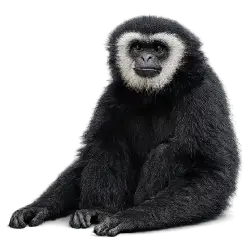
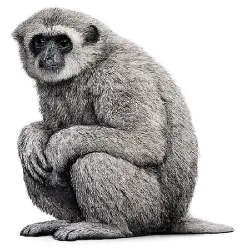
Silvery Gibbon animal lesson image on AnimalDex

Silvery Gibbon

Species principle: Canopy Song

Sing through branches.

A voice travels farther when the body is built for open branches.

Silvery Gibbons move through forest canopies by brachiation and use loud calls to communicate, maintain pair bonds, and mark territories.

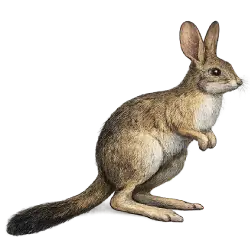
Springhare (Pedetes capensis) thumbnail image on AnimalDex

Springhare

Species principle: Landing

Land the leap.

A burst only becomes progress when you know where to land.

Springhares are nocturnal rodents with powerful hind legs and long tails, moving across open ground in large leaps.

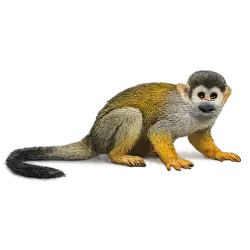
Squirrel Monkey (Saimiri sciureus) thumbnail image on AnimalDex

Squirrel Monkey

Species principle: Canopy Chatter

Chatter through leaves.

Small bodies become bright with force when the group stays in motion together.

Squirrel Monkeys are highly social primates that move through forest canopies in groups, using calls, quick movement, and coordinated foraging.

Explore related indexes