AnimalDex
en
Back to Qualities

Animal Qualities

Navigation

Follow the yellow line.

Animals grouped here express a similar quality through their behavior in nature. Each species still has its own principle, lesson, meaning, and field-guide page.

9 species

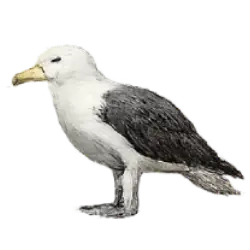
Atlantic Yellow-nosed Albatross (Thalassarche chlororhynchos) thumbnail image on AnimalDex

Atlantic Yellow-nosed Albatross

Species principle: Fine-Line Navigation

Follow the yellow line.

A small mark can guide a life across enormous water.

Atlantic Yellow-nosed Albatrosses are long-winged seabirds that soar over the South Atlantic and are recognized by the yellow stripe along the bill.

Bluespine unicornfish animal lesson image on AnimalDex

Bluespine unicornfish

Species principle: Reef Navigation

Read the reef.

Movement improves when awareness reads both obstacles and group flow.

Bluespine Unicornfish are reef-associated surgeonfish that move through coral habitats and use sharp defensive spines near the tail.

Chambered Nautilus (Nautilus pompilius) thumbnail image on AnimalDex

Chambered Nautilus

Species principle: Buoyancy

Adjust the chamber.

Small inner adjustments can decide whether you rise or sink.

Chambered Nautiluses regulate buoyancy through gas and fluid balance in shell chambers, allowing vertical movement through the water column.

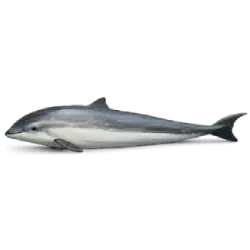
Harbor Porpoise (Phocoena phocoena) thumbnail image on AnimalDex

Harbor Porpoise

Species principle: Echolocation

Read without noise.

Read the field clearly and you waste less force.

Harbor Porpoises are small coastal cetaceans that use echolocation clicks to navigate and hunt fish in cold coastal waters while remaining relatively shy and quiet.

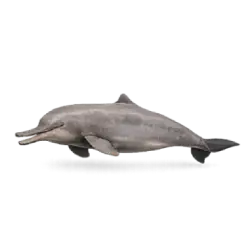
Indus River Dolphin (Platanista gangetica minor) thumbnail image on AnimalDex

Indus River Dolphin

Species principle: Sound Navigation

Hear the river path.

There is more than one way to see the path.

Indus River Dolphins have very poor vision and rely heavily on echolocation to navigate and hunt in turbid river water.

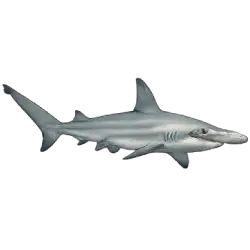
Scalloped Hammerhead (Sphyrna lewini) thumbnail image on AnimalDex

Scalloped Hammerhead

Species principle: Wide Sensing

Feel wide.

A strange shape can widen what the world allows you to feel.

Scalloped Hammerheads have broad cephalofoils that support electroreception, maneuvering, and sensory scanning while schooling and hunting in the ocean.

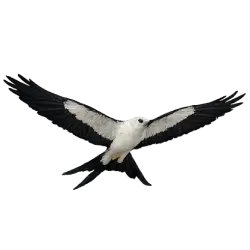
Swallow-tailed Kite (Elanoides forficatus) thumbnail image on AnimalDex

Swallow-tailed Kite

Species principle: Aerial Control

Carve the air.

The right shape turns open air into a path.

Swallow-tailed Kites use long pointed wings and deeply forked tails to steer with precision while gliding, turning, and catching prey in flight.

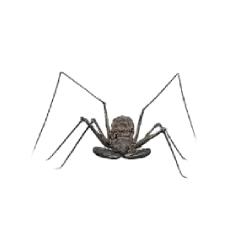
Tailless Whip Spider (Phrynus marginemaculatus) thumbnail image on AnimalDex

Tailless Whip Spider

Species principle: Tactile Mapping

Map with touch.

The dark becomes a map when touch reaches farther than sight.

Tailless Whip Spiders use long antenniform legs as sensory feelers to navigate caves, bark, and walls while hunting with spiny grasping pedipalps.

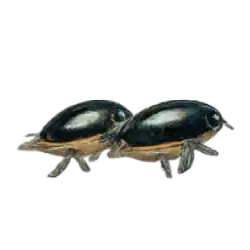
Whirligig Beetle (Dineutus nigrior) thumbnail image on AnimalDex

Whirligig Beetle

Species principle: Dual Sight

See both worlds.

Move wisely by seeing above and below at the same time.

Whirligig Beetles have divided eyes that allow them to see both above and below the water surface while they spin and swim in groups across ponds and streams.

Explore related indexes