AnimalDex
en
Back to Qualities

Animal Qualities

Patience

Strike from the branches.

Animals grouped here express a similar quality through their behavior in nature. Each species still has its own principle, lesson, meaning, and field-guide page.

124 species

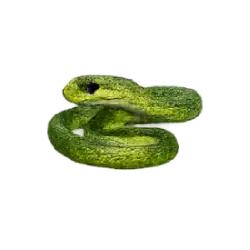
Boomslang (Dispholidus typus) thumbnail image on AnimalDex

Boomslang

Species principle: Canopy Venom

Strike from the branches.

Danger can hang lightly from branches before anyone sees the strike.

Boomslangs are arboreal snakes with large eyes and rear-fanged venom delivery. They hunt in trees and shrubs, feeding on birds, eggs, lizards, and other prey.

Bubble Eye Goldfish animal lesson image on AnimalDex

Bubble Eye Goldfish

Species principle: Refinement

Refine with care.

Some forms of excellence come from patience, tradition, and precise attention.

Ornamental goldfish varieties are shaped by selective breeding and require careful aquatic husbandry.

Butterfly Koi animal lesson image on AnimalDex

Butterfly Koi

Species principle: Flowing Ornament

Glide beautifully.

Grace becomes stronger when it remains steady in motion.

Butterfly Koi are ornamental carp with long flowing fins, selected for visual beauty and pond presence.

Celestial Eye Goldfish animal lesson image on AnimalDex

Celestial Eye Goldfish

Species principle: Refinement

Refine with care.

Some forms of excellence come from patience, tradition, and precise attention.

Ornamental goldfish varieties are shaped by selective breeding and require careful aquatic husbandry.

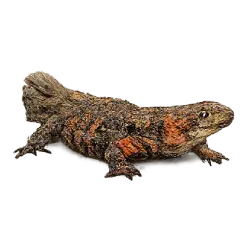
Chinese Crocodile Lizard (Shinisaurus crocodilurus) thumbnail image on AnimalDex

Chinese Crocodile Lizard

Species principle: Stream Stillness

Wait by the stream.

Small dragons become serious when they know exactly where to wait.

Chinese Crocodile Lizards are semi-aquatic lizards that perch near cool forest streams and often remain still for long periods before moving or hunting.

Chinese Pond Heron animal lesson image on AnimalDex

Chinese Pond Heron

Species principle: Pond Stillness

Wait by water.

Patience sharpens action when the environment is subtle.

Chinese Pond Herons forage in wetlands and shallow water, often waiting still before striking at prey.

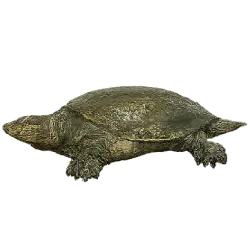
Chinese Softshell Turtle (Pelodiscus sinensis) thumbnail image on AnimalDex

Chinese Softshell Turtle

Species principle: Mud Concealment

Hide with one breath.

The quiet advantage is knowing how little of yourself must be seen.

Chinese Softshell Turtles have flat soft shells and long snorkel-like snouts, allowing them to bury in mud or sand while breathing with minimal exposure.

Chocolate Chip Sea Star animal lesson image on AnimalDex

Chocolate Chip Sea Star

Species principle: Regenerative Grip

Grip and regrow.

Recovery often begins with staying attached to the place of repair.

Chocolate Chip Sea Stars move with tube feet and can regenerate damaged arms over time under suitable conditions.

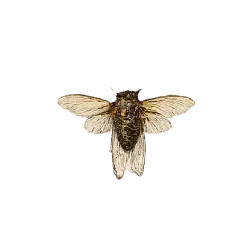
Cicada (Cicadoidea) thumbnail image on AnimalDex

Cicada

Species principle: Delayed Emergence

Wait, then sing.

Long preparation can make the arrival more powerful.

Cicadas spend long periods developing underground before emerging, calling, mating, and reshaping the soundscape.

Comet Goldfish animal lesson image on AnimalDex

Comet Goldfish

Species principle: Refinement

Refine with care.

Some forms of excellence come from patience, tradition, and precise attention.

Ornamental goldfish varieties are shaped by selective breeding and require careful aquatic husbandry.

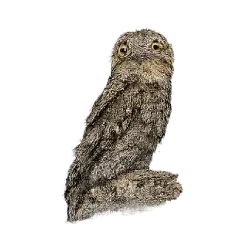
Common Potoo (Nyctibius griseus) thumbnail image on AnimalDex

Common Potoo

Species principle: Still Disguise

Be the branch.

Stillness becomes invisibility when the body learns the shape of its world.

Common Potoos perch upright on branches or stumps with bark-like plumage and remain extremely still, resembling broken branches during the day.

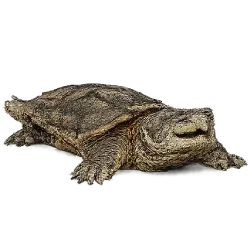
Common Snapping Turtle (Chelydra serpentina) thumbnail image on AnimalDex

Common Snapping Turtle

Species principle: Snap Timing

Wait, then snap.

Not every victory begins with movement; some begin with readiness.

Common Snapping Turtles are aquatic ambush predators with powerful jaws, patient bottom-dwelling behavior, and a defensive snap when threatened on land.

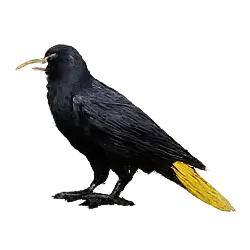
Crested Oropendola (Psarocolius decumanus) thumbnail image on AnimalDex

Crested Oropendola

Species principle: Weaving

Weave above ground.

Beauty becomes shelter when patience learns to braid the air.

Crested Oropendolas build long hanging woven nests in colonies high in trees, using plant fibers and careful construction to protect eggs and young.

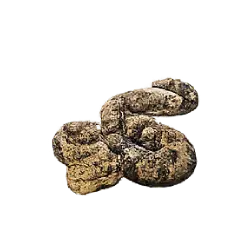
Desert Horned Viper (Cerastes cerastes) thumbnail image on AnimalDex

Desert Horned Viper

Species principle: Concealment

Hide in the sand.

Power can wait beneath the surface until the desert moves close.

Desert Horned Vipers use sand-colored camouflage, burying behavior, sidewinding movement, and ambush predation in desert habitats.

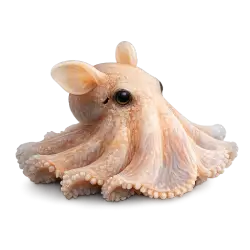
Dumbo Octopus animal lesson image on AnimalDex

Dumbo Octopus

Species principle: Ease

Float under pressure.

Calm movement can be the strongest response in extreme conditions.

Dumbo octopuses inhabit deep-sea environments and move with fin-powered hovering rather than constant aggressive swimming.

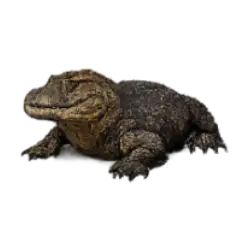
Dwarf Caiman (Paleosuchus palpebrosus) thumbnail image on AnimalDex

Dwarf Caiman

Species principle: Armored Patience

Armor the stillness.

Quiet patience becomes protection when armor holds the line.

Dwarf Caimans are small heavily armored crocodilians that inhabit forest streams, rivers, and wetlands, relying on stillness and protection.

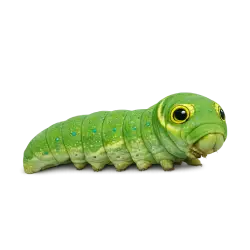
Eastern Tiger Swallowtail Caterpillar animal lesson image on AnimalDex

Eastern Tiger Swallowtail Caterpillar

Species principle: Becoming

Guard the becoming.

Growth often needs camouflage before it can become visible.

Swallowtail caterpillars use disguise and defensive display before metamorphosing into adult butterflies.

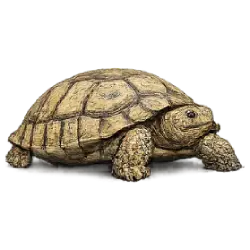
Elongated Tortoise (Indotestudo elongata) thumbnail image on AnimalDex

Elongated Tortoise

Species principle: Long-Shell Travel

Roam the leaf floor.

Slow movement still becomes a life when it keeps crossing the leaf litter.

Elongated Tortoises have long shells and roam forest floors, feeding on plant material, fungi, and fallen fruit with slow steady movement.

Explore related indexes