AnimalDex
en
Back to Qualities

Animal Qualities

Patience

Coil into green.

Animals grouped here express a similar quality through their behavior in nature. Each species still has its own principle, lesson, meaning, and field-guide page.

124 species

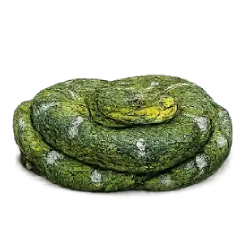
Emerald Tree Boa (Corallus caninus) thumbnail image on AnimalDex

Emerald Tree Boa

Species principle: Branch Patience

Coil into green.

Patience deepens when the body becomes part of the branch.

Emerald Tree Boas coil over branches in rainforest canopies and use stillness, camouflage, and ambush strikes to capture prey.
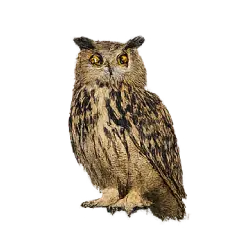
Eurasian Eagle-Owl (Bubo bubo) thumbnail image on AnimalDex

Eurasian Eagle-Owl

Species principle: Sovereignty

Rule quietly.

Some power is felt before it ever has to move.

Eurasian Eagle-Owls are large apex nocturnal predators with powerful talons, silent flight, strong territorial calls, and nesting sites often associated with cliffs, rocky ledges, or secluded elevated places.

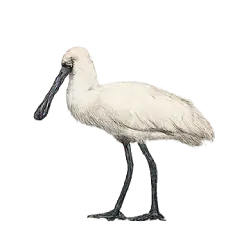
Eurasian Spoonbill (Platalea leucorodia) thumbnail image on AnimalDex

Eurasian Spoonbill

Species principle: Sifting

Sweep with the spoon.

The right tool gathers what the water hides in plain sight.

Eurasian Spoonbills feed by sweeping spoon-shaped bills side to side through shallow water, detecting and catching small aquatic prey.

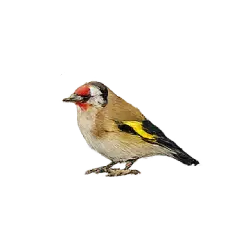
European Goldfinch (Carduelis carduelis) thumbnail image on AnimalDex

European Goldfinch

Species principle: Selectivity

Pick the thistle.

Precious things often hide inside what others avoid touching.

European Goldfinches have fine pointed bills adapted for extracting small seeds from thistles, teasels, and other seed heads that many birds handle less effectively.

Fantail Goldfish animal lesson image on AnimalDex

Fantail Goldfish

Species principle: Refinement

Refine with care.

Some forms of excellence come from patience, tradition, and precise attention.

Ornamental goldfish varieties are shaped by selective breeding and require careful aquatic husbandry.

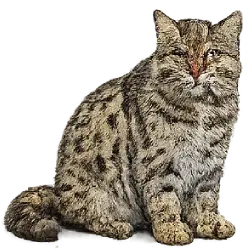
Fishing Cat (Prionailurus viverrinus) thumbnail image on AnimalDex

Fishing Cat

Species principle: Water Stalking

Stalk the water.

The best hunter learns the edge where land becomes water.

Fishing Cats hunt in wetlands, marshes, and riverbanks, using strong bodies, partially webbed feet, and skilled strikes to catch fish and aquatic prey.

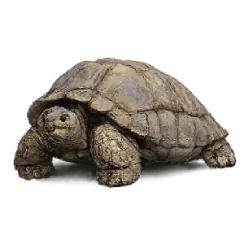
Galapagos Tortoise (Chelonoidis niger) thumbnail image on AnimalDex

Galapagos Tortoise

Species principle: Island Time

Walk in island time.

Some lives are measured not by speed, but by how long they keep moving.

Galapagos Tortoises are long-lived island reptiles with massive shells and slow grazing habits, shaping vegetation through patient movement and feeding.

Gar animal lesson image on AnimalDex

Gar

Species principle: Ancient Patience

Old shape waits.

Endurance can come from keeping a successful form and using it with precision.

Gars are ancient-looking predatory fish with long jaws, armored scales, and patient ambush habits.

Garden Snail animal lesson image on AnimalDex

Garden Snail

Species principle: Spiral Shelter

Carry the spiral.

Security can move with you when it is built into your rhythm.

Garden Snails move slowly with a coiled shell and require moist conditions for active movement.

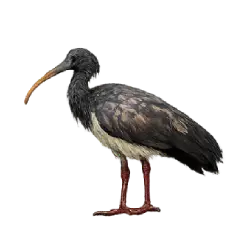
Giant Ibis (Thaumatibis gigantea) thumbnail image on AnimalDex

Giant Ibis

Species principle: Grand Probing

Probe the marsh slowly.

Patient searching can still carry great presence.

Giant Ibises use long curved bills and wading legs to probe wetlands, pools, and muddy areas for aquatic animals and other food.

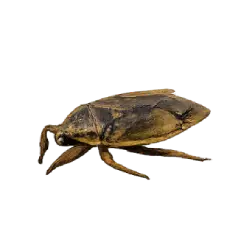
Giant Water Bug (Lethocerus americanus) thumbnail image on AnimalDex

Giant Water Bug

Species principle: Ambush Grip

Grip from below.

Patience turns to advantage when the grip is ready before the prey arrives.

Giant Water Bugs are aquatic ambush predators with powerful raptorial forelegs that seize fish, tadpoles, insects, and other prey from underwater cover.

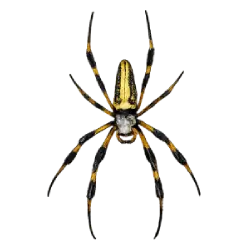
Golden Silk Orb-weaver (Trichonephila clavipes) thumbnail image on AnimalDex

Golden Silk Orb-weaver

Species principle: Architecture

Spin the gold.

Patience can stretch fragile thread into a world that holds.

Golden Silk Orb-weavers build large orb webs using strong golden silk that catches flying insects and can span open spaces between branches.

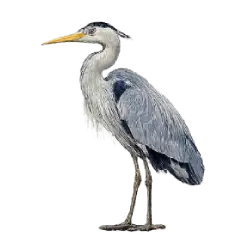
Great Blue Heron (Ardea herodias) thumbnail image on AnimalDex

Great Blue Heron

Species principle: Poise

Stand until strike.

One clean strike is born from a long quiet body.

Great Blue Herons stand motionless in shallow water, then strike quickly with long necks and sharp bills to catch fish and other aquatic prey.

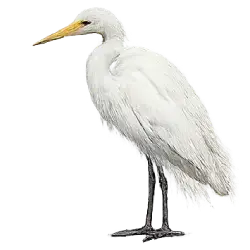
Great Egret (Ardea alba) thumbnail image on AnimalDex

Great Egret

Species principle: White Elegance

Strike in white.

Stillness becomes beautiful when it ends in one clean flash.

Great Egrets hunt in shallow water by standing or walking slowly, then striking quickly with long necks and sharp bills to catch fish and other aquatic prey.

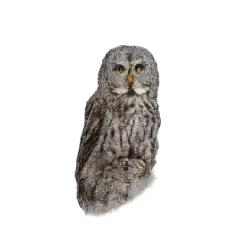
Great Gray Owl (Strix nebulosa) thumbnail image on AnimalDex

Great Gray Owl

Species principle: Deep Listening

Hear through snow.

The strongest strike may begin by hearing what no one can see.

Great Gray Owls have large facial discs and excellent hearing that allow them to locate prey under snow before plunging through the surface.

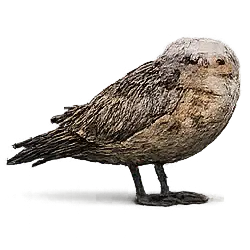
Great Potoo (Nyctibius grandis) thumbnail image on AnimalDex

Great Potoo

Species principle: Branch Illusion

Become the dead branch.

A fixed shape becomes freedom when it makes the watcher disappear.

Great Potoos use cryptic bark-like plumage and rigid upright postures to resemble broken branches or logs during daytime rest.

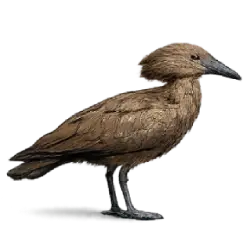
Hammerkop (Scopus umbretta) thumbnail image on AnimalDex

Hammerkop

Species principle: Monument Building

Build the castle.

Small pieces become a castle when patience keeps returning.

Hamerkops build exceptionally large domed stick nests, often far bigger than their bodies, and may keep adding material over time near water.

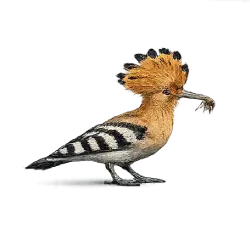
Hoopoe (Upupa epops) thumbnail image on AnimalDex

Hoopoe

Species principle: Probing

Probe the forgotten.

Forgotten ground gives treasure to the bill that keeps asking.

Hoopoes use long curved bills to probe soil, grass, and crevices for insects and larvae, and their crest and calls make them visually distinctive.

Explore related indexes