
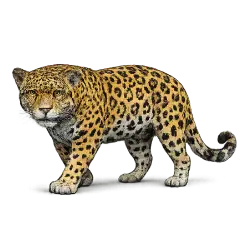
Jaguar
Species principle: Stealth
Move unseen.
Move quietly until the moment is right.
Jaguars are solitary ambush hunters that rely on silent approach and explosive precision.
Animal Qualities
Move unseen.
Animals grouped here express a similar quality through their behavior in nature. Each species still has its own principle, lesson, meaning, and field-guide page.
124 species
Species principle: Stealth
Move unseen.
Move quietly until the moment is right.
Jaguars are solitary ambush hunters that rely on silent approach and explosive precision.

Species principle: Wetland Timing
Read the shallows.
Patience becomes skill when it reads tiny changes in the surface.
Javan Pond Herons forage in wetlands and shallow water, using stillness and sudden strikes to catch prey.
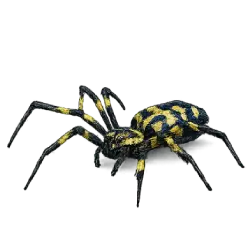
Species principle: Golden Structure
Set the threads.
Delicate work becomes strong when every thread knows its tension.
Joro Spiders build large golden orb webs that catch flying insects, often spanning open spaces with strong silk and visible web architecture.

Species principle: Pond Patience
Color through time.
Beauty grows when care, calm, and longevity share the same water.
Koi are ornamental carp kept in ponds and selected for color, pattern, endurance, and long-term care.
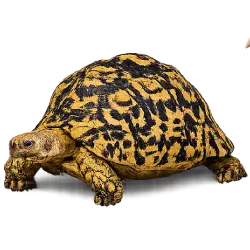
Species principle: Slow Distance
Step the long ground.
Small steps still cross long ground when they never abandon the path.
Leopard Tortoises are large terrestrial tortoises of African savannas and scrublands, moving slowly with domed protective shells across dry landscapes.

Species principle: Hidden Glide
Glide unseen.
Concealment is strongest when movement matches the floor beneath it.
Leopoldi Stingrays are bottom-dwelling freshwater rays with flattened bodies and patterned camouflage.

Species principle: Refinement
Refine with care.
Some forms of excellence come from patience, tradition, and precise attention.
Ornamental goldfish varieties are shaped by selective breeding and require careful aquatic husbandry.
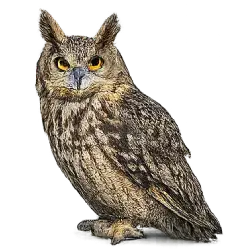
Species principle: Attentive Silence
Listen without noise.
Quiet attention hears what noise would lose.
Long-eared Owls hunt mainly at night with silent flight, acute hearing, and camouflage, often roosting quietly in dense cover.
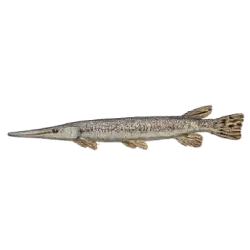
Species principle: Surface Ambush
Wait near the surface.
Patience waits near the surface until the water makes one mistake.
Longnose Gar are armored predatory fish with long toothy snouts, often lying near the surface or vegetation before striking fish with quick sideways snaps.
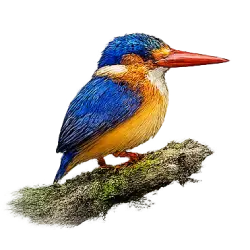
Species principle: Jewel Timing
Flash at the ripple.
A small flash becomes powerful when it waits for the exact ripple.
Malachite Kingfishers perch near water and dive quickly for small fish and aquatic prey, using sharp bills, vivid coloration, and precise timing.
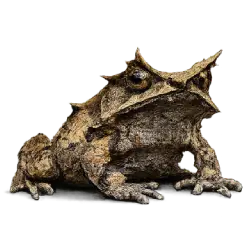
Species principle: Leaf Ambush
Wait as leaf.
Let the moment come close before spending force.
Malayan horned frogs resemble dead leaves and wait in leaf litter to ambush passing prey.
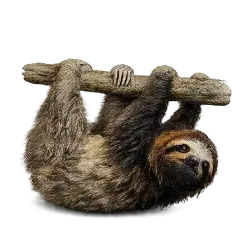
Species principle: Canopy Patience
Cling slowly.
A gentle pace can fit a complex world when every grip is deliberate.
Maned Sloths are slow-moving arboreal mammals that cling to forest branches with curved claws and feed on leaves in Atlantic Forest habitats.
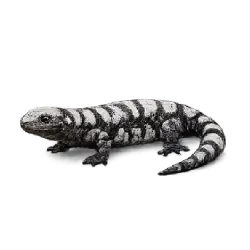
Species principle: Quiet Season
Wait for the rain.
Some futures are laid before the water even arrives.
Marbled Salamanders often breed in autumn and lay eggs in dry or drying pond basins, with females sometimes guarding eggs until rains fill the pools.

Species principle: Stealth
Lower signal. Increase leverage.
Confusion can be a powerful form of concealment.
Flat angular shell and long neck, fringed skin flaps around the head, and triangular leaf-like head shape give the Mata Mata Turtle a body plan tuned for its niche. Mata Mata Turtles operate in slow rivers, swamps, oxbows, and leaf-filled still freshwater habitats. Their design helps them match food access, shelter, and timing inside that environment.

Species principle: Sticky Patience
Hold the stem.
Preparation holds the moment before the strike ever begins.
Milkweed Assassin Bugs are predatory insects that use sticky forelegs and piercing mouthparts to seize prey from stems, flowers, and vegetation.
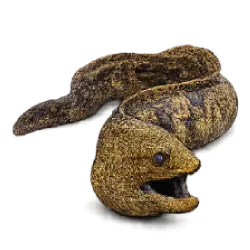
Species principle: Lair Strategy
Own the crevice.
Not every victory begins in motion; some begin in the right hiding place.
Moray Eels use long bodies to live in reef crevices and ambush prey, striking from holes with strong jaws and specialized feeding mechanics.

Species principle: Camouflage
Become the branch.
Sometimes protection comes from becoming unreadable to what hunts you.
Northern Walkingsticks resemble twigs through their long narrow bodies, coloration, stillness, and slow rocking movement, helping them avoid detection by predators.

Species principle: Bottom Patience
Cruise the bottom.
Slow strength finds what the restless swimmer passes over.
Nurse Sharks are bottom-dwelling sharks that use barbels near the mouth, suction feeding, and slow cruising over reefs and sandy bottoms to locate prey.