AnimalDex
en
Back to Qualities

Animal Qualities

Patient Browsing

Choose the tusk.

Animals grouped here express a similar quality through their behavior in nature. Each species still has its own principle, lesson, meaning, and field-guide page.

12 species

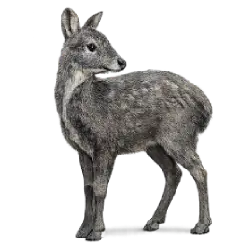
Alpine Musk Deer animal lesson image on AnimalDex

Alpine Musk Deer

Species principle: Antlerless Alternative

Choose the tusk.

Nature does not solve every problem the same way.

Male musk deer lack antlers and instead use elongated canine tusks, showing an alternative ungulate display and competition strategy.
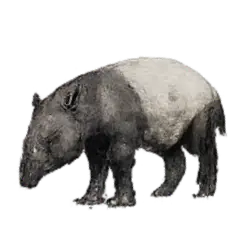
Baird's Tapir (Tapirus bairdii) thumbnail image on AnimalDex

Baird's Tapir

Species principle: Dual Passage

Browse both worlds.

One tool becomes wisdom when it works on land and in water.

Baird’s Tapirs use flexible snouts for browsing and are strong swimmers, moving through tropical forests and rivers while feeding on leaves, fruits, and aquatic vegetation.

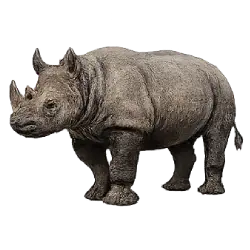
Black Rhinoceros (Diceros bicornis) thumbnail image on AnimalDex

Black Rhinoceros

Species principle: Thorn Browsing

Grip the thorn.

The right mouth can turn roughness into nourishment.

Black Rhinoceroses are browsers with pointed prehensile upper lips used to grasp leaves, twigs, and thorny branches.

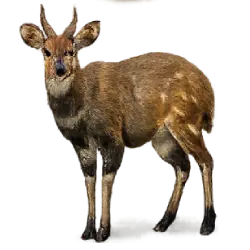
Bushbuck (Tragelaphus scriptus) thumbnail image on AnimalDex

Bushbuck

Species principle: Caution

Move through cover.

Quiet caution is strength when the world is dense and watching.

Bushbucks are shy antelopes that use stripes, spots, and dense cover while browsing in thickets, forests, and riverine habitats.

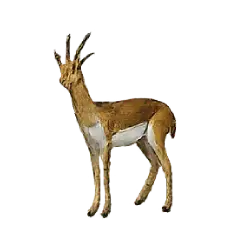
Dibatag (Ammodorcas clarkei) thumbnail image on AnimalDex

Dibatag

Species principle: High Browsing

Reach the dry leaf.

A special place rewards the body shaped for its scarce food.

Dibatags are arid-land antelopes with long necks and legs, feeding on leaves and shoots in dry shrublands where food can be sparse and elevated.

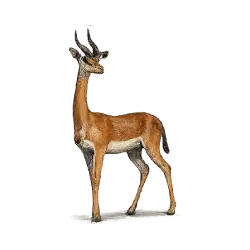
Gerenuk (Litocranius walleri) thumbnail image on AnimalDex

Gerenuk

Species principle: Standing Reach

Stand for the leaf.

A different posture can reveal food others never touch.

Gerenuks have long necks and often stand upright on their hind legs to browse leaves, shoots, and flowers above the reach of many other antelopes.

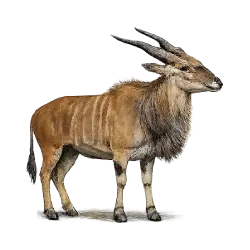
Giant Eland (Taurotragus derbianus) thumbnail image on AnimalDex

Giant Eland

Species principle: Gentle Grandeur

Move gently, giant.

Great size can move through the world without becoming harsh.

Giant Elands are the largest antelopes, with spiral horns, long legs, and browsing habits in savanna woodland and forest-edge habitats.

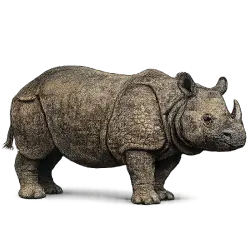
Javan Rhinoceros (Rhinoceros sondaicus) thumbnail image on AnimalDex

Javan Rhinoceros

Species principle: Soft Giant

Browse softly, giant.

Even giants can move gently when the forest asks for softness.

Javan Rhinoceroses are rare forest rhinos that browse with prehensile lips and move quietly through dense tropical vegetation.

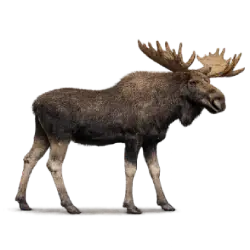
Moose (Alces alces) thumbnail image on AnimalDex

Moose

Species principle: Heavy Passage

Step through the swamp.

Great bodies cross hard ground by taking the long step calmly.

Moose have long legs, large bodies, and broad hooves that help them move through deep snow, wetlands, forests, and water while browsing vegetation.

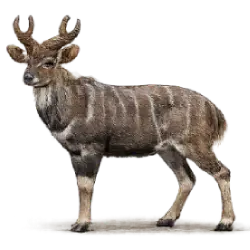
Mountain Nyala (Tragelaphus buxtoni) thumbnail image on AnimalDex

Mountain Nyala

Species principle: Highland Elegance

Walk the high stripe.

Strong patterns can move gently when the highlands are home.

Mountain Nyalas are antelope of Ethiopian highlands, with pale stripes, spiral horns in males, and browsing habits in montane woodland and grassland edges.

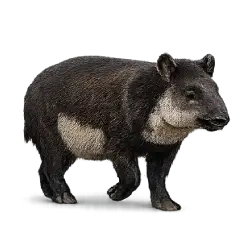
Mountain Tapir (Tapirus pinchaque) thumbnail image on AnimalDex

Mountain Tapir

Species principle: Cloud Covering

Wear the cloud.

The right covering can turn cold mist into home.

Mountain Tapirs have woolly coats and flexible snouts, browsing in cold Andean cloud forests and high-elevation habitats.

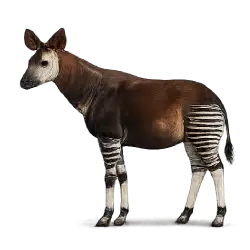
Okapi (Okapia johnstoni) thumbnail image on AnimalDex

Okapi

Species principle: Forest Mystery

Move unseen in stripes.

Gentle strength becomes powerful when it remains partly unseen.

Okapis are solitary rainforest relatives of giraffes with striped legs, dark coats, long tongues, and quiet browsing habits in dense forest.

Explore related indexes