AnimalDex
en
Back to Qualities

Animal Qualities

Patient Progress

Wait at the edge.

Animals grouped here express a similar quality through their behavior in nature. Each species still has its own principle, lesson, meaning, and field-guide page.

19 species

American Alligator (Alligator mississippiensis) thumbnail image on AnimalDex

American Alligator

Species principle: Patience

Wait at the edge.

The strongest move may be the one held until the world comes close enough.

American Alligators often hunt by waiting motionless near water edges, using camouflage, powerful jaws, armored bodies, and explosive strikes when prey comes within range.

Chinese Pond Heron animal lesson image on AnimalDex

Chinese Pond Heron

Species principle: Pond Stillness

Wait by water.

Patience sharpens action when the environment is subtle.

Chinese Pond Herons forage in wetlands and shallow water, often waiting still before striking at prey.

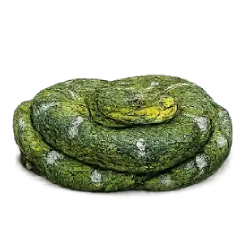
Emerald Tree Boa (Corallus caninus) thumbnail image on AnimalDex

Emerald Tree Boa

Species principle: Branch Patience

Coil into green.

Patience deepens when the body becomes part of the branch.

Emerald Tree Boas coil over branches in rainforest canopies and use stillness, camouflage, and ambush strikes to capture prey.

Gar animal lesson image on AnimalDex

Gar

Species principle: Ancient Patience

Old shape waits.

Endurance can come from keeping a successful form and using it with precision.

Gars are ancient-looking predatory fish with long jaws, armored scales, and patient ambush habits.

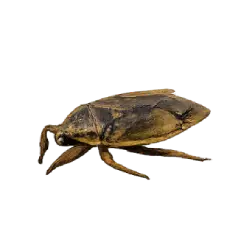
Giant Water Bug (Lethocerus americanus) thumbnail image on AnimalDex

Giant Water Bug

Species principle: Ambush Grip

Grip from below.

Patience turns to advantage when the grip is ready before the prey arrives.

Giant Water Bugs are aquatic ambush predators with powerful raptorial forelegs that seize fish, tadpoles, insects, and other prey from underwater cover.

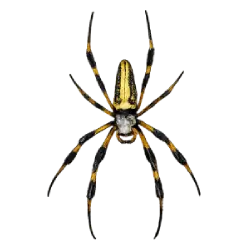
Golden Silk Orb-weaver (Trichonephila clavipes) thumbnail image on AnimalDex

Golden Silk Orb-weaver

Species principle: Architecture

Spin the gold.

Patience can stretch fragile thread into a world that holds.

Golden Silk Orb-weavers build large orb webs using strong golden silk that catches flying insects and can span open spaces between branches.

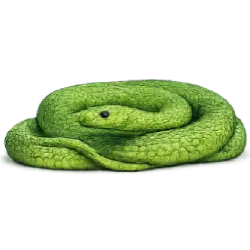
Green Tree Python (Morelia viridis) thumbnail image on AnimalDex

Green Tree Python

Species principle: Emerald Patience

Coil in green.

Blend into your perch until opportunity moves below.

Green tree pythons coil on branches and use green coloration to wait for prey in arboreal habitats.

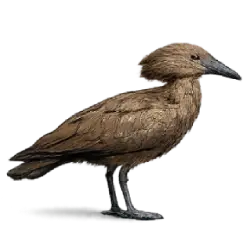
Hammerkop (Scopus umbretta) thumbnail image on AnimalDex

Hammerkop

Species principle: Monument Building

Build the castle.

Small pieces become a castle when patience keeps returning.

Hamerkops build exceptionally large domed stick nests, often far bigger than their bodies, and may keep adding material over time near water.

Javan Pond Heron animal lesson image on AnimalDex

Javan Pond Heron

Species principle: Wetland Timing

Read the shallows.

Patience becomes skill when it reads tiny changes in the surface.

Javan Pond Herons forage in wetlands and shallow water, using stillness and sudden strikes to catch prey.

Joro Spider (Trichonephila clavata) thumbnail image on AnimalDex

Joro Spider

Species principle: Golden Structure

Set the threads.

Delicate work becomes strong when every thread knows its tension.

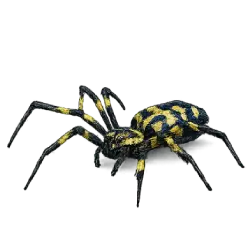
Joro Spiders build large golden orb webs that catch flying insects, often spanning open spaces with strong silk and visible web architecture.

Longnose Gar (Lepisosteus osseus) thumbnail image on AnimalDex

Longnose Gar

Species principle: Surface Ambush

Wait near the surface.

Patience waits near the surface until the water makes one mistake.

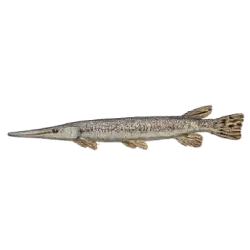
Longnose Gar are armored predatory fish with long toothy snouts, often lying near the surface or vegetation before striking fish with quick sideways snaps.

Maned Sloth animal lesson image on AnimalDex

Maned Sloth

Species principle: Canopy Patience

Cling slowly.

A gentle pace can fit a complex world when every grip is deliberate.

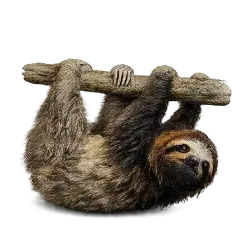
Maned Sloths are slow-moving arboreal mammals that cling to forest branches with curved claws and feed on leaves in Atlantic Forest habitats.

Milkweed Assassin Bug (Zelus longipes) thumbnail image on AnimalDex

Milkweed Assassin Bug

Species principle: Sticky Patience

Hold the stem.

Preparation holds the moment before the strike ever begins.

Milkweed Assassin Bugs are predatory insects that use sticky forelegs and piercing mouthparts to seize prey from stems, flowers, and vegetation.

Nurse Shark (Ginglymostoma cirratum) thumbnail image on AnimalDex

Nurse Shark

Species principle: Bottom Patience

Cruise the bottom.

Slow strength finds what the restless swimmer passes over.

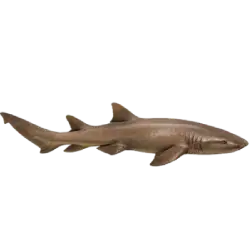
Nurse Sharks are bottom-dwelling sharks that use barbels near the mouth, suction feeding, and slow cruising over reefs and sandy bottoms to locate prey.

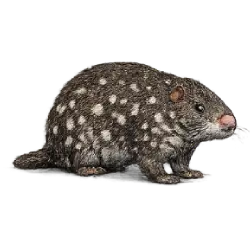
Pacarana (Dinomys branickii) thumbnail image on AnimalDex

Pacarana

Species principle: Slow Substance

Move with weight.

Power does not need speed when it is built with weight and patience.

Pacaranas are large, slow-moving nocturnal rodents that use strong claws and heavy bodies while foraging in rocky forest habitats.

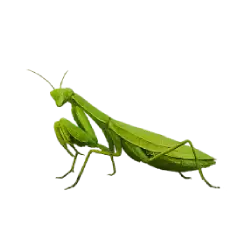
Praying Mantis (Mantodea) thumbnail image on AnimalDex

Praying Mantis

Species principle: Stillness

Wait within reach.

Patience is not emptiness. It is force waiting for the right distance.

Praying Mantises use camouflage, still waiting, and spiny raptorial forelegs to seize prey quickly when it comes within striking range.

Pygmy Three-toed Sloth animal lesson image on AnimalDex

Pygmy Three-toed Sloth

Species principle: Island Slowness

Cling to the island.

A tiny range can still hold a complete way of life.

Pygmy Three-toed Sloths are small sloths restricted to mangrove habitat on Escudo de Veraguas Island, moving slowly and clinging with curved claws.

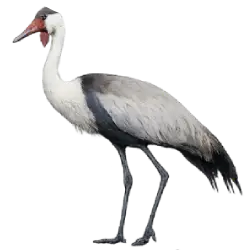
Wattled Crane animal lesson image on AnimalDex

Wattled Crane

Species principle: Wetland Nobility

Walk tall through marsh.

Patience grows tall when the path is soft and long.

Wattled Cranes are large wetland cranes that move through marshes and floodplains with long legs, pair bonds, and slow deliberate foraging.

Explore related indexes