AnimalDex
en
Back to Qualities

Animal Qualities

Protective Strength

Lock into stone.

Animals grouped here express a similar quality through their behavior in nature. Each species still has its own principle, lesson, meaning, and field-guide page.

26 species

Ackie Monitor (Varanus acanthurus) thumbnail image on AnimalDex

Ackie Monitor

Species principle: Spiny Boundary

Lock into stone.

A boundary becomes strong when it can anchor itself inside stone.

Ackie Monitors use spiny tails, strong bodies, and rock crevices for protection, often wedging themselves into shelter in arid rocky habitats.
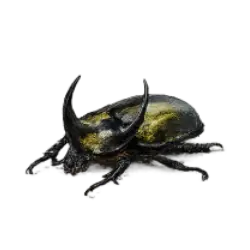

Atlas Beetle (Chalcosoma atlas) thumbnail image on AnimalDex

Atlas Beetle

Species principle: Armored Readiness

Wear the armor.

Visible protection helps the body enter conflict already prepared.

Atlas Beetle males have large horns used in contests, along with a heavy armored exoskeleton common to large rhinoceros beetles.

Blue Glaucus animal lesson image on AnimalDex

Blue Glaucus

Species principle: Alchemy

Turn threat into armor.

The right adaptation can turn danger into an advantage.

Blue glaucuses feed on stinging siphonophores and can store defensive stinging cells from that prey.

Common Midwife Toad (Alytes obstetricans) thumbnail image on AnimalDex

Common Midwife Toad

Species principle: Paternal Care

Carry the eggs.

Protection becomes devotion when the future is carried on the body.

Male Common Midwife Toads wrap fertilized egg strings around their hind legs and carry them until the larvae are ready for water.

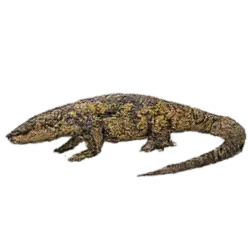
Dwarf Caiman (Paleosuchus palpebrosus) thumbnail image on AnimalDex

Dwarf Caiman

Species principle: Armored Patience

Armor the stillness.

Quiet patience becomes protection when armor holds the line.

Dwarf Caimans are small heavily armored crocodilians that inhabit forest streams, rivers, and wetlands, relying on stillness and protection.

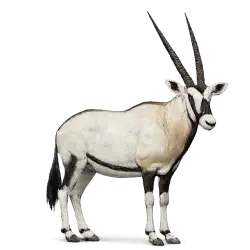
East African Oryx animal lesson image on AnimalDex

East African Oryx

Species principle: Heat Endurance

Carry the heat.

Protection helps grace survive pressure.

East African oryx survive hot dry landscapes with heat tolerance, efficient water use, long horns, and steady travel.

European Hedgehog (Erinaceus europaeus) thumbnail image on AnimalDex

European Hedgehog

Species principle: Prickled Courage

Explore with spines.

Protection lets curiosity walk after dark.

European Hedgehogs forage at night and defend themselves by rolling into a spiny ball, using sharp spines to deter predators.

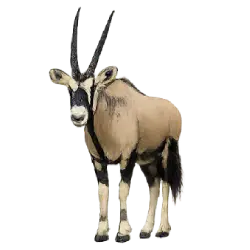
Gemsbok (Oryx gazella) thumbnail image on AnimalDex

Gemsbok

Species principle: Desert Poise

Stay graceful in heat.

Protection lets grace survive pressure.

Gemsbok have long straight horns, heat tolerance, and water-conserving adaptations that help them survive arid desert and savanna habitats.

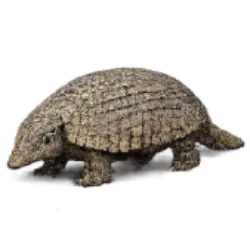
Giant Armadillo (Priodontes maximus) thumbnail image on AnimalDex

Giant Armadillo

Species principle: Armored Excavation

Dig under armor.

Protection and effort become one body when the work is underground.

Giant Armadillos use massive claws to dig burrows and tear into termite and ant nests, while their armored bodies protect them during foraging and sheltering.

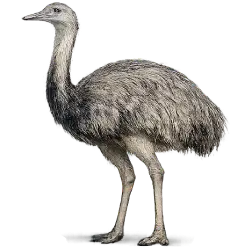
Greater Rhea animal lesson image on AnimalDex

Greater Rhea

Species principle: Stewardship

Guard what grows.

Protection becomes sacred when you choose to guard what is still becoming.

Greater Rheas are flightless grassland birds. Males build nests, incubate eggs from multiple females, and guard the chicks after hatching.

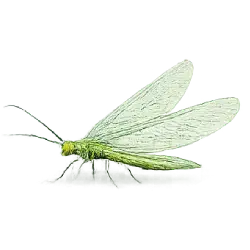
Green Lacewing (Chrysoperla carnea) thumbnail image on AnimalDex

Green Lacewing

Species principle: Guardianship

Guard softly.

Protection can arrive in a delicate form with hidden hunger.

Green Lacewing adults are delicate insects, while their larvae are voracious predators of aphids and other small pests. This makes them important biological control agents in gardens and crops.

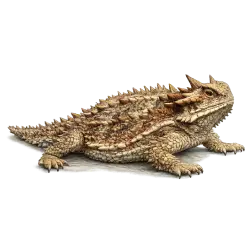
Horned Lizard (Phrynosoma cornutum) thumbnail image on AnimalDex

Horned Lizard

Species principle: Spiny Armor

Armor the ground.

Protection and concealment can work together.

Horned lizards combine flattened bodies, spines, camouflage, and defensive behaviors to survive exposed ground habitats.

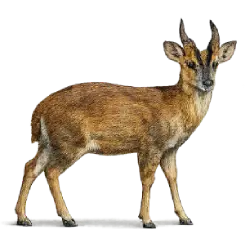
Indian Muntjac (Muntiacus muntjak) thumbnail image on AnimalDex

Indian Muntjac

Species principle: Forest Alarm

Bark through cover.

A small voice becomes protection when the whole forest understands it.

Indian Muntjacs are small forest deer known for bark-like alarm calls used when disturbed or threatened in dense vegetation.

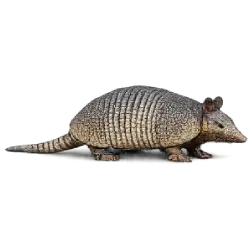
Nine-banded Armadillo (Dasypus novemcinctus) thumbnail image on AnimalDex

Nine-banded Armadillo

Species principle: Armoring

Work under armor.

Protection lets the quiet worker keep going under pressure.

Nine-banded Armadillos have bony armor plates and strong claws used for digging burrows and foraging for insects and other small food close to the ground.

Northern Walkingstick (Diapheromera femorata) thumbnail image on AnimalDex

Northern Walkingstick

Species principle: Camouflage

Become the branch.

Sometimes protection comes from becoming unreadable to what hunts you.

Northern Walkingsticks resemble twigs through their long narrow bodies, coloration, stillness, and slow rocking movement, helping them avoid detection by predators.

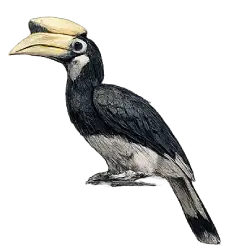
Oriental Pied Hornbill animal lesson image on AnimalDex

Oriental Pied Hornbill

Species principle: Sealing

Seal the nest.

A future can grow safely when the entrance is guarded with care.

Oriental Pied Hornbills nest in tree cavities. During nesting, the female is sealed inside the cavity with a narrow slit left open, while the male brings food to her and the chicks.

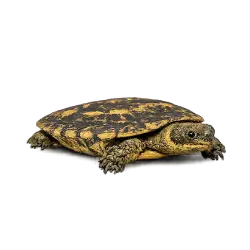
Pancake Tortoise (Malacochersus tornieri) thumbnail image on AnimalDex

Pancake Tortoise

Species principle: Flexible Shelter

Wedge into stone.

Protection is strongest when it can bend into the only opening available.

Pancake Tortoises have unusually flat, flexible shells and can wedge into narrow rock crevices to escape predators instead of relying on a high domed shell.

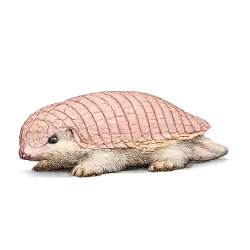
Pink Fairy Armadillo animal lesson image on AnimalDex

Pink Fairy Armadillo

Species principle: Soft Armor

Swim the sand.

Protection can be gentle, hidden, and almost unseen.

Pink Fairy Armadillos are tiny burrowing armadillos with pink dorsal armor and strong foreclaws, adapted to moving through loose sandy soils.

Explore related indexes