
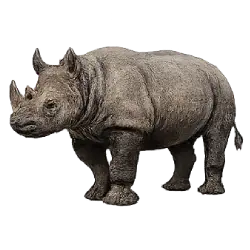
Black Rhinoceros
Species principle: Thorn Browsing
Grip the thorn.
The right mouth can turn roughness into nourishment.
Black Rhinoceroses are browsers with pointed prehensile upper lips used to grasp leaves, twigs, and thorny branches.
Animal Qualities
Grip the thorn.
Animals grouped here express a similar quality through their behavior in nature. Each species still has its own principle, lesson, meaning, and field-guide page.
5 species
Species principle: Thorn Browsing
Grip the thorn.
The right mouth can turn roughness into nourishment.
Black Rhinoceroses are browsers with pointed prehensile upper lips used to grasp leaves, twigs, and thorny branches.
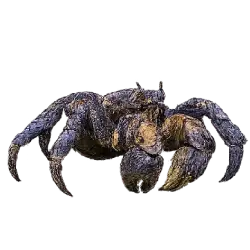
Species principle: Crushing Grip
Grip and crack.
The hard shell opens for the one with enough grip to climb and crack.
Coconut Crabs are large terrestrial hermit crabs with powerful claws used for climbing, handling food, and cracking tough materials such as coconuts or shells.
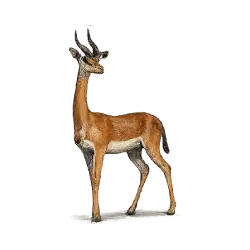
Species principle: Standing Reach
Stand for the leaf.
A different posture can reveal food others never touch.
Gerenuks have long necks and often stand upright on their hind legs to browse leaves, shoots, and flowers above the reach of many other antelopes.
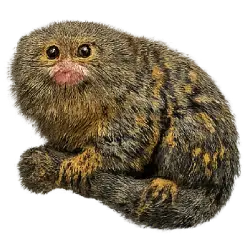
Species principle: Sap Access
Open the bark.
Smallness can open a hidden source.
Pygmy marmosets use specialized teeth to gouge tree bark and feed on sap and gum, exploiting a niche many larger animals cannot use.
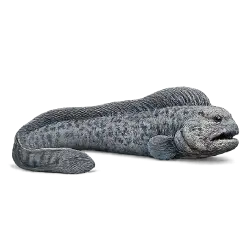
Species principle: Crushing Pressure
Crush the shell.
Patience and pressure open what force alone cannot.
Wolf Eels have strong jaws adapted for crushing hard-shelled prey such as crabs, sea urchins, and mollusks in rocky reef habitats.