AnimalDex
en
Back to Qualities

Animal Qualities

Right Timing

Snap upward.

Animals grouped here express a similar quality through their behavior in nature. Each species still has its own principle, lesson, meaning, and field-guide page.

32 species

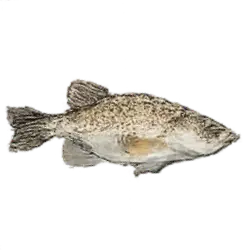
Barramundi (Lates calcarifer) thumbnail image on AnimalDex

Barramundi

Species principle: Strike Timing

Snap upward.

One clean strike can change the water in an instant.

Barramundi are predatory fish of estuaries, rivers, and coastal waters, using ambush and sudden suction strikes to capture fish and crustaceans.
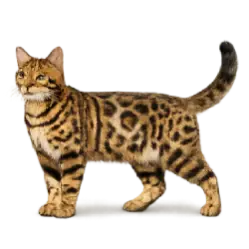
Bengal Cat animal lesson image on AnimalDex

Bengal Cat

Species principle: Self-Chosen Rhythm

Choose the rhythm.

Independence is not isolation; it is rhythm chosen with awareness.

Domestic cats conserve energy, observe carefully, and choose when to approach, play, hunt, or withdraw.

Birman Cat animal lesson image on AnimalDex

Birman Cat

Species principle: Self-Chosen Rhythm

Choose the rhythm.

Independence is not isolation; it is rhythm chosen with awareness.

Domestic cats conserve energy, observe carefully, and choose when to approach, play, hunt, or withdraw.

Black Caiman (Melanosuchus niger) thumbnail image on AnimalDex

Black Caiman

Species principle: Dark Timing

Wait in black water.

Power waits best where shadow and water hide the clock.

Black Caimans are large dark crocodilians of Amazon waterways. They use camouflage, night activity, powerful jaws, and ambush hunting in slow water.

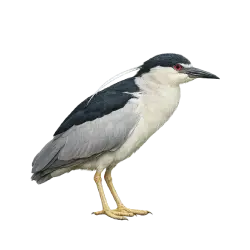
Black-crowned Night Heron (Nycticorax nycticorax) thumbnail image on AnimalDex

Black-crowned Night Heron

Species principle: Nocturnal Timing

Wait for dusk.

Work becomes effective when it follows the hour it was made for.

Black-crowned Night Herons are crepuscular and nocturnal feeders that wait near water edges to catch fish, amphibians, and other prey in dim light.

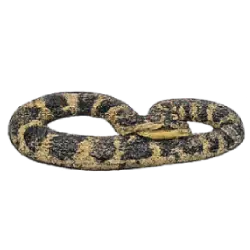
Boa Constrictor (Boa constrictor) thumbnail image on AnimalDex

Boa Constrictor

Species principle: Compression

Become the trap.

Timing matters because the whole body becomes power at once.

Boa Constrictors are ambush predators that use camouflage, striking, and muscular constriction to restrain prey with their entire bodies.

Burmese Cat animal lesson image on AnimalDex

Burmese Cat

Species principle: Self-Chosen Rhythm

Choose the rhythm.

Independence is not isolation; it is rhythm chosen with awareness.

Domestic cats conserve energy, observe carefully, and choose when to approach, play, hunt, or withdraw.

Caracal (Caracal caracal) thumbnail image on AnimalDex

Caracal

Species principle: Explosive Timing

Launch on time.

The impossible looks easy when the body releases at the exact second.

Caracals have powerful hind legs and can leap high into the air to catch birds, using sharp reflexes, strong muscles, and precise timing.

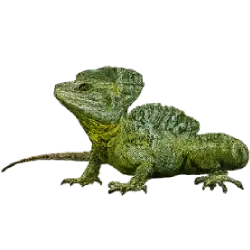
Common Basilisk (Basiliscus basiliscus) thumbnail image on AnimalDex

Common Basilisk

Species principle: Impossible Timing

Run the water.

The impossible lasts just long enough for the one whose timing is perfect.

Common Basilisks can run short distances across water using rapid hind-leg motion, long toes, and forceful slapping of the water surface.

Cornish Rex Cat animal lesson image on AnimalDex

Cornish Rex Cat

Species principle: Self-Chosen Rhythm

Choose the rhythm.

Independence is not isolation; it is rhythm chosen with awareness.

Domestic cats conserve energy, observe carefully, and choose when to approach, play, hunt, or withdraw.

Couch's Spadefoot (Scaphiopus couchii) thumbnail image on AnimalDex

Couch's Spadefoot

Species principle: Spadefoot Timing

Rise with rain.

Wait buried, then answer the rain.

Couch's spadefoots spend dry periods underground and emerge rapidly after heavy rains to breed in temporary pools.

Devon Rex Cat animal lesson image on AnimalDex

Devon Rex Cat

Species principle: Self-Chosen Rhythm

Choose the rhythm.

Independence is not isolation; it is rhythm chosen with awareness.

Domestic cats conserve energy, observe carefully, and choose when to approach, play, hunt, or withdraw.

Domestic Cat animal lesson image on AnimalDex

Domestic Cat

Species principle: Self-Chosen Rhythm

Choose the rhythm.

Independence is not isolation; it is rhythm chosen with awareness.

Domestic cats conserve energy, observe carefully, and choose when to approach, play, hunt, or withdraw.

Exotic Shorthair Cat animal lesson image on AnimalDex

Exotic Shorthair Cat

Species principle: Self-Chosen Rhythm

Choose the rhythm.

Independence is not isolation; it is rhythm chosen with awareness.

Domestic cats conserve energy, observe carefully, and choose when to approach, play, hunt, or withdraw.

Firefly (Lampyridae) thumbnail image on AnimalDex

Firefly

Species principle: Timed Glow

Glow on time.

A small signal becomes powerful when timing and darkness align.

Fireflies use bioluminescent flashing patterns for communication and mate attraction.

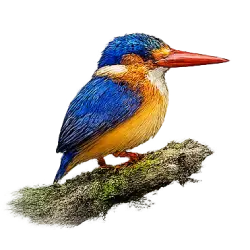
Malachite Kingfisher (Corythornis cristatus) thumbnail image on AnimalDex

Malachite Kingfisher

Species principle: Jewel Timing

Flash at the ripple.

A small flash becomes powerful when it waits for the exact ripple.

Malachite Kingfishers perch near water and dive quickly for small fish and aquatic prey, using sharp bills, vivid coloration, and precise timing.

Manx Cat animal lesson image on AnimalDex

Manx Cat

Species principle: Self-Chosen Rhythm

Choose the rhythm.

Independence is not isolation; it is rhythm chosen with awareness.

Domestic cats conserve energy, observe carefully, and choose when to approach, play, hunt, or withdraw.

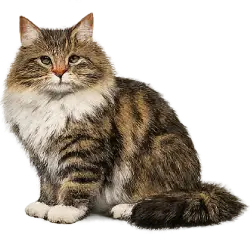
Norwegian Forest Cat (Felis catus) thumbnail image on AnimalDex

Norwegian Forest Cat

Species principle: Self-Chosen Rhythm

Choose the rhythm.

Independence is not isolation; it is rhythm chosen with awareness.

Domestic cats conserve energy, observe carefully, and choose when to approach, play, hunt, or withdraw.

Explore related indexes