AnimalDex
en
Back to Qualities

Animal Qualities

Safety

Match the leaves.

Animals grouped here express a similar quality through their behavior in nature. Each species still has its own principle, lesson, meaning, and field-guide page.

10 species

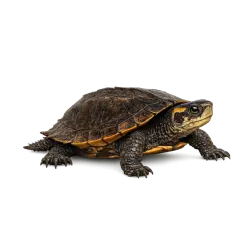
Black-breasted Leaf Turtle (Geoemyda spengleri) thumbnail image on AnimalDex

Black-breasted Leaf Turtle

Species principle: Leaf-Litter Belonging

Match the leaves.

Safety begins when the place already looks like you.

Black-breasted Leaf Turtles have small, angular shells and cryptic coloration that help them blend into damp leaf litter on forest floors.
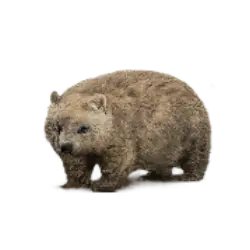
Common Wombat animal lesson image on AnimalDex

Common Wombat

Species principle: Shelter

Build below.

A safe world is sometimes built downward, claw by claw.

Common Wombats dig extensive burrow systems with strong claws and sturdy bodies. Their burrows provide shelter from heat, predators, and harsh conditions.

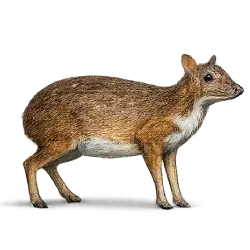
Greater Mouse-deer animal lesson image on AnimalDex

Greater Mouse-deer

Species principle: Small Stealth

Tiptoe through cover.

Smallness becomes power when it can pass where noise cannot follow.

Greater Mouse-deer are small, secretive ungulates that move quietly through dense Southeast Asian forest cover, relying on concealment and quick retreat.

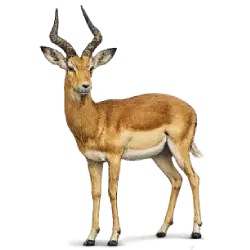
Impala (Aepyceros melampus) thumbnail image on AnimalDex

Impala

Species principle: Elastic Escape

Leap with the herd.

A sudden leap feels safer when it belongs to the rhythm of the herd.

Impalas use powerful leaps, quick directional changes, alert hearing, and herd movement to evade predators across savanna and woodland edges.

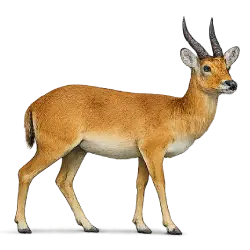
Puku (Kobus vardonii) thumbnail image on AnimalDex

Puku

Species principle: Wetland Alertness

Bound before danger.

Soft places feel safer when the body is ready to move early.

Puku are antelope associated with floodplains and wet grasslands, using alertness and bounding movement to avoid danger.

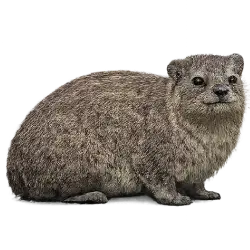
Rock Hyrax (Procavia capensis) thumbnail image on AnimalDex

Rock Hyrax

Species principle: Rock Communion

Warm the rock.

A hard place softens when warmth is shared together.

Rock Hyraxes live in colonies among rocky outcrops, using gripping foot pads, sunning behavior, alarm calls, and close social groups for safety.

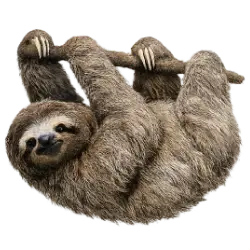
Three-toed Sloth (Bradypus variegatus) thumbnail image on AnimalDex

Three-toed Sloth

Species principle: Slow Camouflage

Move like moss.

A quiet life can disappear by moving at the speed of leaves.

Three-toed Sloths move slowly through trees, host algae in their fur, and use slow motion and canopy living to reduce detection by predators.

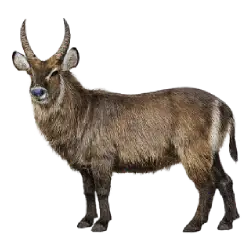
Waterbuck (Kobus ellipsiprymnus) thumbnail image on AnimalDex

Waterbuck

Species principle: Fallback

Keep water near.

A strong plan keeps a second path close.

Waterbuck are antelopes associated with water and reedbeds, often using nearby water, cover, and strong bodies as part of their predator-avoidance strategy.

Xantus's Murrelet (Synthliboramphus hypoleucus) thumbnail image on AnimalDex

Xantus's Murrelet

Species principle: Night Timing

Return after dark.

The same journey becomes safer when taken under the right darkness.

Xantus’s Murrelets are small seabirds that visit nesting islands at night, reducing predation risk while commuting between sea and nest sites.

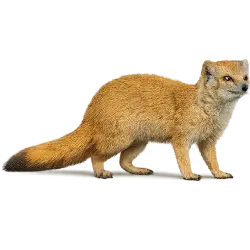
Yellow Mongoose animal lesson image on AnimalDex

Yellow Mongoose

Species principle: Anchoring

Know the burrow.

Explore widely, but keep a known refuge close enough to return to.

Yellow Mongooses live in burrow systems and forage in open grassland or scrub while remaining connected to safe dens and social groups.

Explore related indexes