
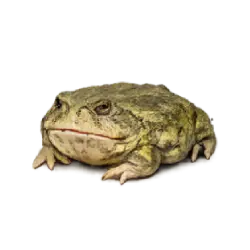
Budgett's Frog
Species principle: Wide-Mouth Fit
Fit the mouth.
A strange shape can be perfect for its work.
Budgett's frogs have extremely wide mouths and sit-and-wait predatory habits suited to sudden capture of prey.
Animal Qualities
Fit the mouth.
Animals grouped here express a similar quality through their behavior in nature. Each species still has its own principle, lesson, meaning, and field-guide page.
8 species
Species principle: Wide-Mouth Fit
Fit the mouth.
A strange shape can be perfect for its work.
Budgett's frogs have extremely wide mouths and sit-and-wait predatory habits suited to sudden capture of prey.
Species principle: Grounded Freedom
Stride the outback.
Not every freedom needs wings; some are built stride by stride.
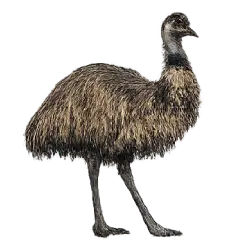
Emus are large flightless birds adapted for long-distance walking and running across Australian open country, using long legs and strong bodies instead of flight.
Species principle: Strange Fit
Fit your strange shape.
A strange shape is only strange until you see the world it fits.
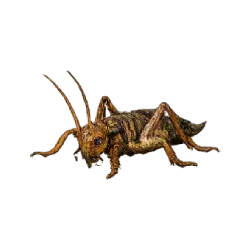
Giant Wētā are large flightless insects from New Zealand, adapted to nocturnal life and island habitats with sturdy bodies and climbing ability.
Species principle: Aquatic Simplicity
Keep the gills.
Thriving begins when the body stops pretending to need what it does not.
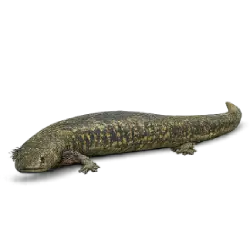
Greater Sirens are eel-like aquatic salamanders with external gills, small forelimbs, no hind limbs, and strong adaptation to muddy wetlands.
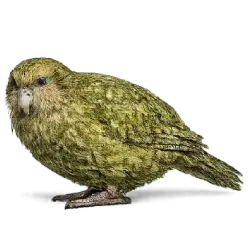
Species principle: Grounded Uniqueness
Forget the sky.
You do not need the expected gift when your real life belongs elsewhere.
Kakapos are flightless nocturnal parrots with mossy green camouflage, strong climbing ability, lek breeding behavior, and ground-based forest life.
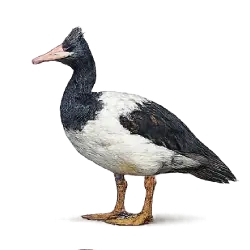
Species principle: Marsh Design
Walk the wetland.
An unusual design can belong perfectly to its place.
Magpie geese have partly webbed feet that support both wetland swimming and walking through marsh vegetation.
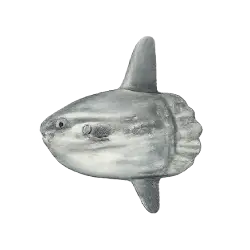
Species principle: Odd Thriving
Thrive strange.
A strange shape can thrive when it stops apologizing for its design.
Ocean Sunfish have huge flattened bodies, swim with dorsal and anal fins, bask near the surface, and feed largely on gelatinous prey such as jellyfish.
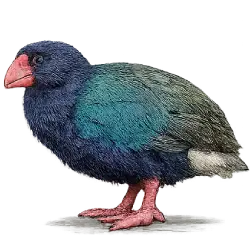
Species principle: Grounded Thriving
Thrive without wings.
Not every life needs the sky when the ground has enough work to master.
Takahe are flightless New Zealand rails with strong legs and thick bills used to feed on tough alpine grasses and sedges.