AnimalDex
en
Back to Qualities

Animal Qualities

Sensing

Read without noise.

Animals grouped here express a similar quality through their behavior in nature. Each species still has its own principle, lesson, meaning, and field-guide page.

7 species

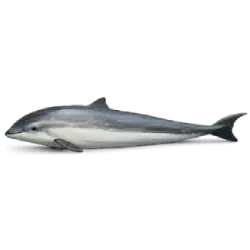
Harbor Porpoise (Phocoena phocoena) thumbnail image on AnimalDex

Harbor Porpoise

Species principle: Echolocation

Read without noise.

Read the field clearly and you waste less force.

Harbor Porpoises are small coastal cetaceans that use echolocation clicks to navigate and hunt fish in cold coastal waters while remaining relatively shy and quiet.
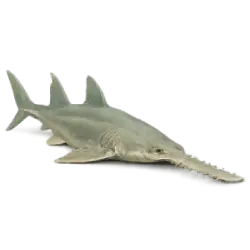
Largetooth Sawfish (Pristis pristis) thumbnail image on AnimalDex

Largetooth Sawfish

Species principle: Heavy Saw

Swing the big saw.

When one tool leads the body, the whole strategy follows its edge.

Largetooth Sawfish use large tooth-lined rostrums with sensory pores to detect prey and slash through muddy river and coastal waters.

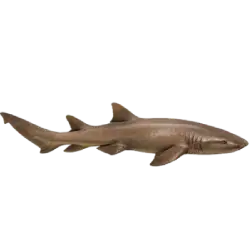
Nurse Shark (Ginglymostoma cirratum) thumbnail image on AnimalDex

Nurse Shark

Species principle: Bottom Patience

Cruise the bottom.

Slow strength finds what the restless swimmer passes over.

Nurse Sharks are bottom-dwelling sharks that use barbels near the mouth, suction feeding, and slow cruising over reefs and sandy bottoms to locate prey.

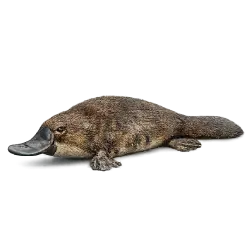
Platypus (Ornithorhynchus anatinus) thumbnail image on AnimalDex

Platypus

Species principle: Integration

Make the strange whole.

Unusual parts become genius when they work as one system.

Platypuses combine webbed feet, dense fur, egg-laying reproduction, venomous male spurs, and electroreceptive bills used to detect prey underwater.

Smalltooth Sawfish (Pristis pectinata) thumbnail image on AnimalDex

Smalltooth Sawfish

Species principle: Saw Sense

Lead with the saw.

One remarkable tool can sense, strike, and lead the whole body.

Smalltooth Sawfish use tooth-lined rostrums with sensory organs to detect prey and may slash the saw to stun fish in shallow coastal and estuarine waters.

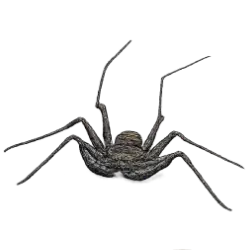
Tailless Whip Scorpion (Damon diadema) thumbnail image on AnimalDex

Tailless Whip Scorpion

Species principle: Dark Tactile Mapping

Feel the dark.

Careful sensing turns fear into direction.

Tailless Whip Scorpions use long antenniform legs to sense surfaces and navigate in darkness while staying flattened against bark, rock, or cave walls.

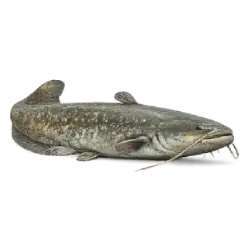
Wels Catfish (Silurus glanis) thumbnail image on AnimalDex

Wels Catfish

Species principle: Deep Economy

Cruise the deep.

Real strength often saves motion until the river brings the signal close.

Wels Catfish are giant freshwater predators that use barbels, smell, vibration sensing, and low-energy cruising or ambush in deep river channels.

Explore related indexes