AnimalDex
en
Back to Qualities

Animal Qualities

Small power

Hover small.

Animals grouped here express a similar quality through their behavior in nature. Each species still has its own principle, lesson, meaning, and field-guide page.

16 species

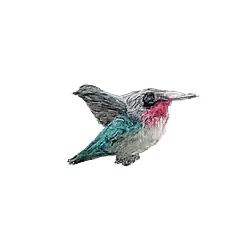
Bee Hummingbird (Mellisuga helenae) thumbnail image on AnimalDex

Bee Hummingbird

Species principle: Tiny Precision

Hover small.

The smallest body can still hold impossible control.

Bee Hummingbirds are the smallest birds in the world. They hover at flowers using rapid wingbeats and feed with tiny bills and tongues adapted for nectar.
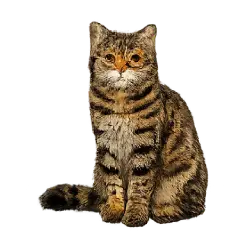
Black-footed Cat animal lesson image on AnimalDex

Black-footed Cat

Species principle: Tiny Ferocity

Hunt beyond size.

Small size does not soften a hunter built to strike again and again.

Black-footed Cats are among the smallest wild cats but are highly active nocturnal hunters with strong hunting success across arid grasslands and scrub.

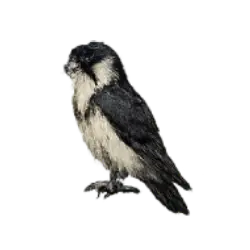
Collared Falconet (Microhierax caerulescens) thumbnail image on AnimalDex

Collared Falconet

Species principle: Small Boldness

Strike small, strike true.

Size stops mattering when the strike knows itself.

Collared Falconets are tiny raptors that hunt insects and small birds from exposed perches, using quick flights and bold predatory behavior despite their small size.

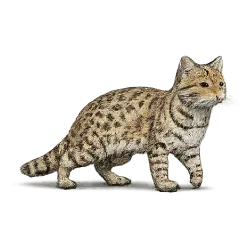
Geoffroy's Cat animal lesson image on AnimalDex

Geoffroy's Cat

Species principle: Small Focus

Stalk small, strike sharp.

Sharp attention does not need a large body to become dangerous.

Geoffroy's Cats are small spotted wild cats that hunt at night or twilight, moving through grasslands, scrub, and forests for rodents, birds, and other prey.

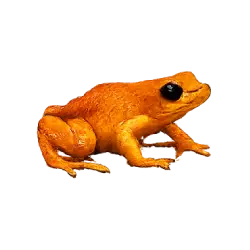
Golden Mantella (Mantella aurantiaca) thumbnail image on AnimalDex

Golden Mantella

Species principle: Amber Warning

Glow before danger.

Small bodies can speak first when their color tells the truth.

Golden Mantellas use bright orange coloration as warning coloration associated with skin toxins, helping deter predators despite their tiny size.

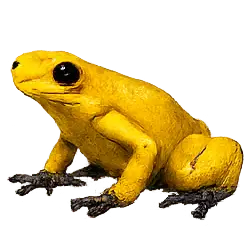
Golden Poison Frog (Phyllobates terribilis) thumbnail image on AnimalDex

Golden Poison Frog

Species principle: Golden Warning

Wear lethal gold.

The smallest body can command distance when its color tells the truth.

Golden Poison Frogs have bright warning coloration and extremely potent skin toxins, discouraging predators through aposematic signaling.

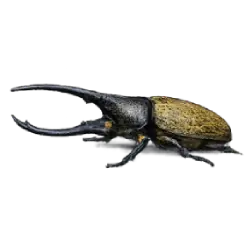
Hercules Beetle (Dynastes hercules) thumbnail image on AnimalDex

Hercules Beetle

Species principle: Titan Strength

Lift like a titan.

Strength becomes mythic when a small body carries impossible weight.

Hercules Beetles are large rhinoceros beetles whose males use long horns in contests and are famous for exceptional strength relative to body size.

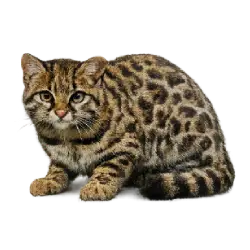
Kodkod animal lesson image on AnimalDex

Kodkod

Species principle: Small Passage

Fit the thicket.

Smallness becomes strength when the path is too tight for giants.

Kodkods are among the smallest wild cats, using compact bodies, spotted camouflage, and climbing ability in dense forests and thickets of southern South America.

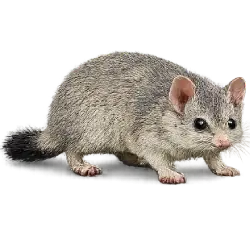
Kowari (Dasyuroides byrnei) thumbnail image on AnimalDex

Kowari

Species principle: Desert Boldness

Hunt with the tuft.

A tiny hunter becomes bold when the night belongs to its feet.

Kowaris are small carnivorous marsupials with black tail tufts that hunt insects and small animals at night in arid stony habitats.

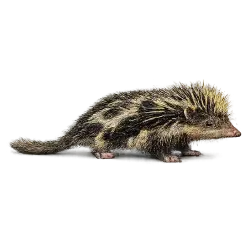
Lowland Streaked Tenrec animal lesson image on AnimalDex

Lowland Streaked Tenrec

Species principle: Stridulation

Buzz the warning.

Small defenders can protect more by making the warning travel.

Lowland Streaked Tenrecs have spines and can communicate by rubbing specialized quills together, producing sounds used in social signaling.

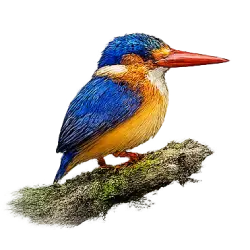
Malachite Kingfisher (Corythornis cristatus) thumbnail image on AnimalDex

Malachite Kingfisher

Species principle: Jewel Timing

Flash at the ripple.

A small flash becomes powerful when it waits for the exact ripple.

Malachite Kingfishers perch near water and dive quickly for small fish and aquatic prey, using sharp bills, vivid coloration, and precise timing.

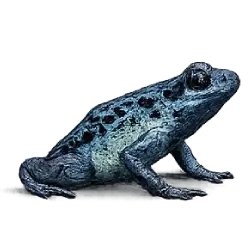
Poison Dart Frog (Dendrobatidae) thumbnail image on AnimalDex

Poison Dart Frog

Species principle: Bright Warning

Wear the warning.

A small body can command respect when its signal is honest and clear.

Poison Dart Frogs are known for vivid warning coloration and skin toxins in many species.

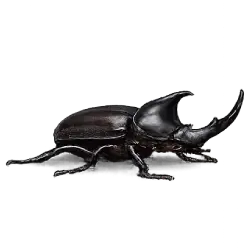
Rhinoceros Beetle (Dynastinae) thumbnail image on AnimalDex

Rhinoceros Beetle

Species principle: Hidden Might

Lift beyond size.

Great force does not need a large body to announce itself.

Rhinoceros Beetles are known for strong bodies and horns used by males in contests, with remarkable lifting and pushing strength relative to size.

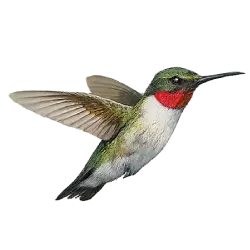
Ruby-throated Hummingbird (Archilochus colubris) thumbnail image on AnimalDex

Ruby-throated Hummingbird

Species principle: Control

Hold the hover.

Great power can live inside a body that holds itself exactly where it must be.

Ruby-throated Hummingbirds hover with rapid wingbeats while feeding on nectar using long bills and extendable tongues. They also make long seasonal migrations despite their tiny size.

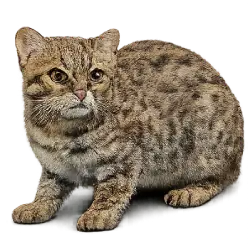
Rusty-spotted Cat (Prionailurus rubiginosus) thumbnail image on AnimalDex

Rusty-spotted Cat

Species principle: Rusty Tiny Ferocity

Hunt like ember.

Smallness loses its limits when focus becomes predatory.

Rusty-spotted Cats are among the smallest wild cats, using stealth, agility, and nocturnal hunting to catch small prey in undergrowth and scrub.

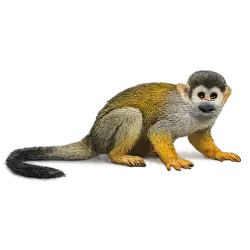
Squirrel Monkey (Saimiri sciureus) thumbnail image on AnimalDex

Squirrel Monkey

Species principle: Canopy Chatter

Chatter through leaves.

Small bodies become bright with force when the group stays in motion together.

Squirrel Monkeys are highly social primates that move through forest canopies in groups, using calls, quick movement, and coordinated foraging.

Explore related indexes