AnimalDex
en
Back to Qualities

Animal Qualities

Specialization

Hunt the edge.

Animals grouped here express a similar quality through their behavior in nature. Each species still has its own principle, lesson, meaning, and field-guide page.

26 species

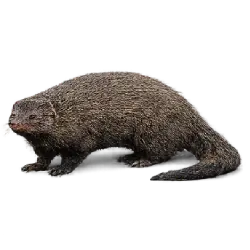
Marsh Mongoose (Atilax paludinosus) thumbnail image on AnimalDex

Marsh Mongoose

Species principle: Niche

Hunt the edge.

Work becomes clean when the body knows exactly which edge it belongs to.

Marsh Mongooses are semi-aquatic mammals that hunt along wetlands, reeds, streams, and muddy edges for crabs, frogs, fish, insects, and other prey.
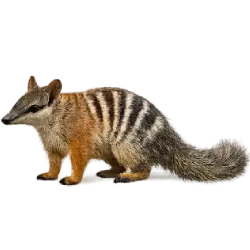
Numbat (Myrmecobius fasciatus) thumbnail image on AnimalDex

Numbat

Species principle: Termite Focus

Follow the termites.

A specific hunger becomes enough when the whole body is shaped around it.

Numbats are specialized termite-eating marsupials that forage during the day using long sticky tongues and slender snouts to extract termites.

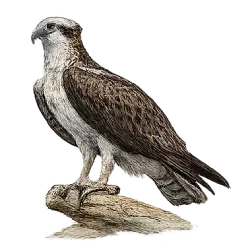
Osprey (Pandion haliaetus) thumbnail image on AnimalDex

Osprey

Species principle: Fish-Talon Specialism

Grip the fish.

The hard move becomes natural when the body is shaped exactly for it.

Ospreys specialize in catching fish, using sharp vision, hovering flight, reversible outer toes, spiny foot pads, and plunging strikes to grip slippery prey.

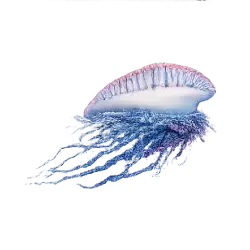
Portuguese Man o' War (Physalia physalis) thumbnail image on AnimalDex

Portuguese Man o' War

Species principle: Collective Drift

Sail as one.

Many bodies can become one strange vessel when each part accepts its role.

The Portuguese Man o' War is a siphonophore colony made of specialized zooids, using a gas-filled float, wind and currents, and long stinging tentacles to capture prey.

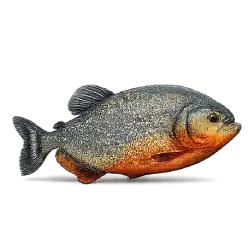
Red-bellied Piranha (Pygocentrus nattereri) thumbnail image on AnimalDex

Red-bellied Piranha

Species principle: Bite Force

Trust the bite.

A specialized edge becomes power when the whole body is built around it.

Red-bellied Piranhas have sharp interlocking teeth and strong jaws, often schooling in rivers where group presence and quick bites help with feeding and defense.

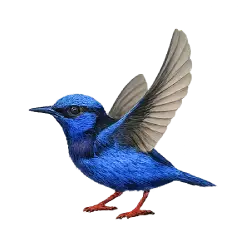
Red-legged Honeycreeper (Cyanerpes cyaneus) thumbnail image on AnimalDex

Red-legged Honeycreeper

Species principle: Nectar Specialism

Fit the flower.

A narrow gift becomes bright when it finds the work it was shaped for.

Red-legged Honeycreepers use slender curved bills to feed on nectar, fruit, and small insects in forest canopies, often moving actively among flowers and fruiting trees.

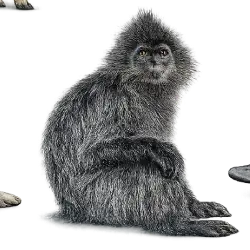
Silvery Lutung (Trachypithecus cristatus) thumbnail image on AnimalDex

Silvery Lutung

Species principle: Dietary Fit

Fit the leaf.

A narrow diet becomes strength when the body is built for it.

Silvery Lutungs are leaf-eating primates with digestive adaptations for processing foliage and social arboreal lives in mangroves and forests.

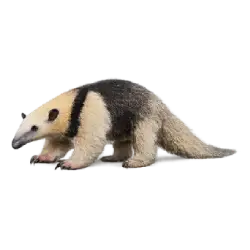
Southern Tamandua (Tamandua tetradactyla) thumbnail image on AnimalDex

Southern Tamandua

Species principle: Specialized Tools

Use the exact tool.

Odd jobs become simple when the tools are exact.

Southern Tamanduas use strong claws to open ant and termite nests, a prehensile tail for climbing, and a long sticky tongue to feed.

Explore related indexes