AnimalDex
en
Back to Qualities

Animal Qualities

Specialization

Choose the quiet feast.

Animals grouped here express a similar quality through their behavior in nature. Each species still has its own principle, lesson, meaning, and field-guide page.

26 species

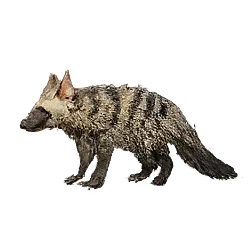
Aardwolf (Proteles cristata) thumbnail image on AnimalDex

Aardwolf

Species principle: Specialized Humility

Choose the quiet feast.

The quiet job can be the one that feeds you best.

Aardwolves are hyena relatives that feed mainly on termites, using long sticky tongues and nocturnal foraging rather than large-prey hunting.
American Dipper (Cinclus mexicanus) thumbnail image on AnimalDex

American Dipper

Species principle: Unexpected Depth

Walk the river.

The body built for the current can do what no one expects of a songbird.

American Dippers forage in fast mountain streams by diving and walking underwater, using strong legs, dense plumage, and adaptations for cold rushing water.

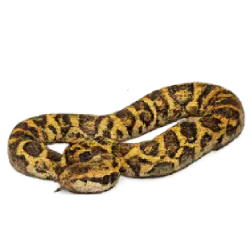
Burmese Python (Python bivittatus) thumbnail image on AnimalDex

Burmese Python

Species principle: Giant Pressure

Own the coil.

One true strength, fully owned, can solve what speed cannot.

Burmese Pythons are large constrictors that use camouflage, ambush, muscular coils, and swallowing adaptations to subdue and consume large prey.

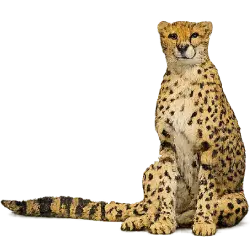
Cheetah (Acinonyx jubatus) thumbnail image on AnimalDex

Cheetah

Species principle: Cheetah Acceleration

Become the sprint.

Pure speed is built before the chase ever begins.

Cheetahs are specialized for high-speed pursuit with flexible spines, long limbs, enlarged nasal passages, semi-retractable claws, and long tails for balance during turns.

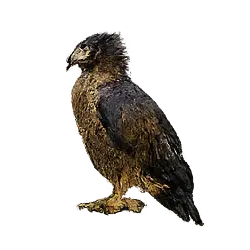
Crested Serpent Eagle (Spilornis cheela) thumbnail image on AnimalDex

Crested Serpent Eagle

Species principle: Serpent Focus

Watch for the serpent.

Mastery deepens when the eye knows exactly which work it is searching for.

Crested Serpent Eagles specialize in hunting snakes and reptiles from forest perches, using strong vision, broad wings, and talons.

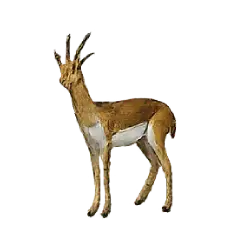
Dibatag (Ammodorcas clarkei) thumbnail image on AnimalDex

Dibatag

Species principle: High Browsing

Reach the dry leaf.

A special place rewards the body shaped for its scarce food.

Dibatags are arid-land antelopes with long necks and legs, feeding on leaves and shoots in dry shrublands where food can be sparse and elevated.

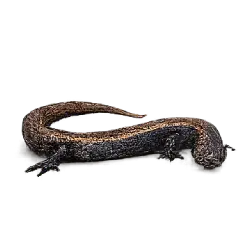
Eastern Red-backed Salamander (Plethodon cinereus) thumbnail image on AnimalDex

Eastern Red-backed Salamander

Species principle: Skin Breathing

Breathe through earth.

A special body thrives by exchanging with the world directly.

Eastern Red-backed Salamanders are lungless salamanders that breathe through moist skin and mouth lining, living under logs, rocks, and leaf litter in forest floors.

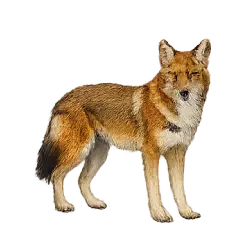
Ethiopian Wolf animal lesson image on AnimalDex

Ethiopian Wolf

Species principle: Highland Specialization

Hunt the highlands.

A rare place calls for a rare kind of hunter.

Ethiopian Wolves are highly specialized canids of Afroalpine grasslands, hunting rodents such as giant mole-rats and living in packs with solitary foraging.

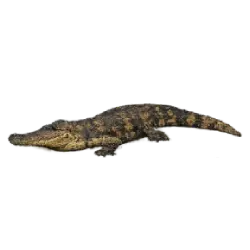
False Gharial (Tomistoma schlegelii) thumbnail image on AnimalDex

False Gharial

Species principle: Narrow Tooling

Fit the snout to the swamp.

The right tool becomes strongest when the job is narrow enough for it.

False Gharials have long narrow snouts suited to catching fish and other aquatic prey, using ambush behavior in swampy rivers and peatland habitats.

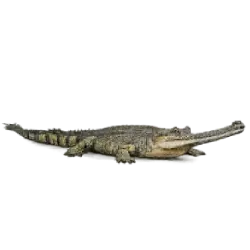
Gharial (Gavialis gangeticus) thumbnail image on AnimalDex

Gharial

Species principle: Narrow Precision

Narrow the aim.

A narrow focus can become mastery when it fits the prey and place.

Gharials have long narrow jaws specialized for catching fish in river systems.

Giant Panda (Ailuropoda melanoleuca) thumbnail image on AnimalDex

Giant Panda

Species principle: Bamboo Specialism

Grip the bamboo.

A whole life can be shaped around the one grip that works.

Giant Pandas use enlarged wrist bones that function like thumbs to grip bamboo while feeding. Their strong jaws and teeth support a diet dominated by bamboo.

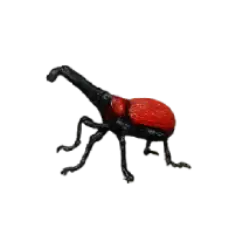
Giraffe Weevil (Trachelophorus giraffa) thumbnail image on AnimalDex

Giraffe Weevil

Species principle: Strange Tool

Use the long neck.

One odd feature becomes genius when it solves the exact task.

Male Giraffe Weevils use elongated necks to fight rivals, while females use long necks and mouthparts to roll leaves into nests for eggs.

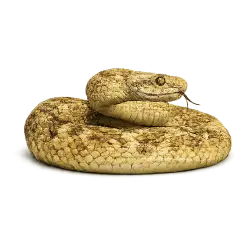
Golden Lancehead animal lesson image on AnimalDex

Golden Lancehead

Species principle: Island Specialization

Belong to one island.

Rare places create rare tools, and rare tools demand rare discipline.

Golden Lanceheads are venomous pit vipers restricted to Ilha da Queimada Grande. Their heat-sensing pits and venomous strike support bird-focused hunting on the island.

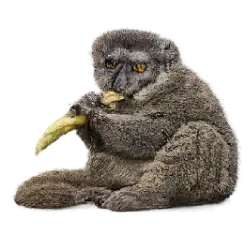
Greater Bamboo Lemur (Prolemur simus) thumbnail image on AnimalDex

Greater Bamboo Lemur

Species principle: Bamboo Specialization

Master the bamboo.

A life can be shaped by learning to eat what others cannot.

Greater Bamboo Lemurs specialize heavily on bamboo, including tough and chemically defended bamboo parts that few animals can rely on as primary food.

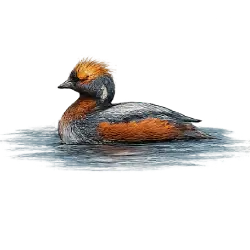
Horned Grebe (Podiceps auritus) thumbnail image on AnimalDex

Horned Grebe

Species principle: Diving Fit

Fit the dive.

Effort flows when the body is placed exactly for the work.

Horned Grebes are diving birds with compact bodies and legs set far back, an arrangement that helps underwater propulsion while making land movement awkward.

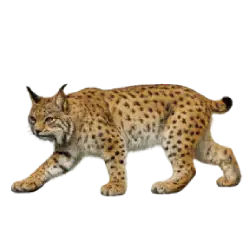
Iberian Lynx (Lynx pardinus) thumbnail image on AnimalDex

Iberian Lynx

Species principle: Specialist Focus

Know the rabbit.

Deep skill grows around the prey you learn better than anything else.

Iberian Lynx are specialized predators strongly associated with hunting European rabbits in Mediterranean scrubland and open woodland habitats.

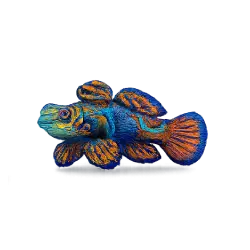
Mandarinfish (Synchiropus splendidus) thumbnail image on AnimalDex

Mandarinfish

Species principle: Reef Radiance

Glow in the rubble.

A small life can shine brightest when it trusts its own niche.

Mandarinfish live around reef rubble and lagoons, using vivid coloration, mucus-coated skin, and slow hovering movement while feeding on tiny prey.

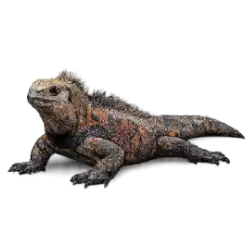
Marine Iguana (Amblyrhynchus cristatus) thumbnail image on AnimalDex

Marine Iguana

Species principle: Sea Adaptation

Learn the sea.

Even a creature of stone can learn the sea when survival asks it to.

Marine Iguanas are the only marine lizards. They swim and dive to graze algae and use nasal salt glands to expel excess salt after feeding in the ocean.

Explore related indexes